Key Points
- Bolton Council is considering entering a legally binding agreement with Fields in Trust to safeguard selected parks across the borough in perpetuity, preventing their sale for development.
- The protection applies via Deeds of Dedication, Minutes of Agreement, or Deeds of Covenant, ensuring spaces remain for public recreation and sport forever.
- Exceptions may exist for parks designated otherwise, though specifics on excluded sites remain unconfirmed in available reports.
- Fields in Trust, founded by King George V in 1925, has protected over 2,800 sites covering 12,000 hectares nationwide through partnerships with local authorities.
- Similar initiatives in other councils, such as Newcastle-under-Lyme assessing five parks and Edinburgh consulting on protection, highlight a growing trend for permanent green space safeguards.
- Bolton's move aligns with broader council efforts, including a £470,000 funding boost for parks, allotments, and bowling greens announced on 20 November 2025.
- The Fields in Trust report for Bolton Council, dated 8 December 2025, recommends formal approval at a committee meeting.
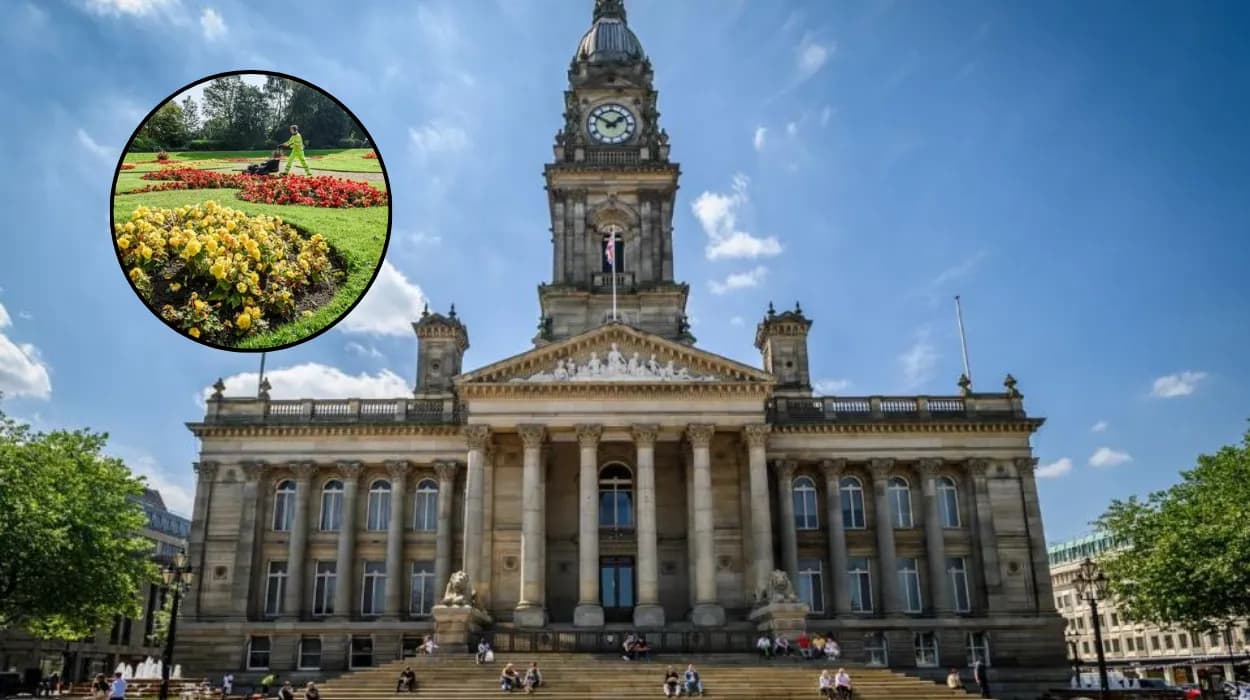
Bolton Council is poised to enter a landmark agreement with Fields in Trust, potentially shielding numerous parks from development pressures and securing them for public use indefinitely. This development, detailed in a council report scheduled for discussion around 8 December 2025, promises robust legal protections that could redefine green space preservation in the borough. Local authorities nationwide increasingly adopt such measures amid rising concerns over urban expansion.
What is the Fields in Trust Agreement?
Fields in Trust operates as the sole UK charity dedicated to perpetual protection of parks and recreational lands, employing legal instruments like Deeds of Dedication for England, Wales, and Northern Ireland, or Minutes of Agreement for Scotland. These documents stipulate that protected spaces must serve sport, recreation, or community benefit exclusively, barring unrelated development without charity approval.
As outlined on the Fields in Trust website, the process requires landowners, including councils, to submit applications with evidence of approval, such as meeting minutes from committees. For Bolton, the council report explicitly states:
“Enter into a legally binding agreement with Fields in Trust to protect selected parks in perpetuity with the exception of parks designated as...”
though the full list of exceptions awaits committee confirmation.
Protection allows sympathetic changes, like enhancements for recreation, but demands equivalent replacement land for any alterations, preserving community access. Fields in Trust has partnered with nearly 1,000 landowners, from sports clubs to local authorities, safeguarding sites for healthier communities.
Which Bolton Parks Face Development Risks Without Protection?
Parks across Bolton could be vulnerable to sale for housing or commercial projects without intervention, a fate the Fields in Trust deal aims to avert entirely. The initiative targets "selected parks," ensuring they "can never be sold for development," as per council considerations.
No exhaustive list of candidate parks emerges from the report snippet, but it carves out exceptions for certain designations, possibly those with alternative safeguards or redevelopment plans. This selective approach mirrors national standards, where councils like Bolton apply the "six acre" Fields in Trust benchmark for open space in large developments, demanding 6 acres per 1,000 residents.
Recent council actions underscore urgency: a £470,000 reallocation, freed from winter fuel support due to government changes, targets parks like Moss Bank Park, Doffcocker Lodge, and Westhoughton Central Park for £70,000 in upgrades. Bolton Council Leader Cllr Nick Peel stated,
“We know how much our parks, green spaces, allotments and bowling clubs matter to our local communities, and these funding plans would make a significant positive impact across the borough”.
How Does Fields in Trust Prevent Park Sales?
The charity's mechanisms render sale for development impossible without breaching perpetual covenants, requiring landowners to seek permission for any non-recreational shifts. As per guidance, custodians must provide resolutions from managing trustees or committee approvals to initiate protection.
In practice, this has shielded thousands of hectares; Fields in Trust's Field Finder maps over 2,800 protected UK spaces. For Bolton, the agreement would embed parks in this network, allowing only changes that enhance recreational value, such as new facilities, while mandating equal or superior substitutes elsewhere.
Comparable cases affirm efficacy: Newcastle-under-Lyme Councillor Tagg noted that Fields in Trust status ensures "permanent protection forever," keeping areas as "public parks, playing fields, and recreational grounds for future generations". Edinburgh's consultation emphasises that unauthorised builds demand charity consent, typically denied without community equivalents.
What Broader Context Surrounds Bolton's Green Space Efforts?
Bolton's push coincides with heightened national focus on green belts and urban greenspaces amid development pressures. Hulton Park, a contested Green Belt site near Bolton, illustrates tensions: Peel Land secured planning variations on 30 January 2025 to maintain a 2022 permission expiring in October 2025, tied to a Ryder Cup bid. A Peel Land spokesperson remarked,
“This is a transformational opportunity for Bolton – not only as a sporting venue and cultural destination but as a catalyst for long-term economic growth”.
Yet conservation voices, like CPRE Lancashire's Dr Des Brennan at the 2022 inquiry, challenged such expansions via Section 106 agreements conditioning builds on events like the Ryder Cup. Bolton's Tree Preservation Order at Carter Street, Farnworth, confirmed post-objections using TEMPO assessments, further signals protective resolve.
The council's draft Green Spaces Strategy, out for consultation on 17 July 2025, seeks resident input on visions for parks, aligning with Fields in Trust goals. Infrastructure documents mandate play space contributions per Fields in Trust's 0.8 hectares per 1,000 population standard.
Who Supports Bolton's Parks Protection Initiative?
Bolton Conservatives have long advocated brownfield development over green spaces, as per their 2021 stance. The current Labour-led council, under Cllr Peel, champions reallocations:
“Creating additional posts across our planning and regeneration teams would help this work move even faster”.
Fields in Trust provides operational backbone, with landowner guidance stressing minimal cost and time for dedications. No direct quotes from Bolton councillors on the Fields deal surface yet, pending the 8 December 2025 report's debate.
Community benefits loom large: enhanced allotments, bowling greens, and tree planting with £40,000, plus dedicated officers for self-sufficiency. This holistic strategy positions Bolton as a leader in perpetual preservation.