Key Points
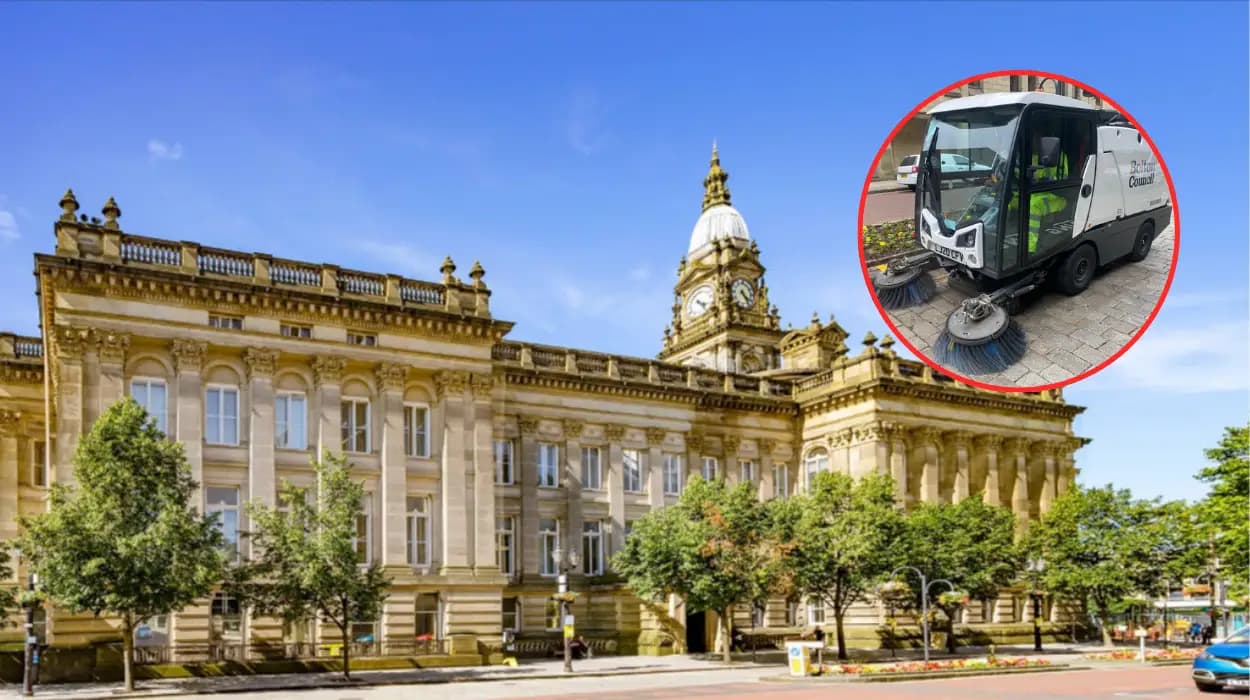
- Bolton Council is being asked to approve the purchase of three new street sweepers to replace the current fleet, which is nearly a decade old.
- The proposal aims to modernise street cleansing operations amid ongoing efforts to improve borough-wide cleanliness.
- Existing sweepers have reached the end of their operational life, prompting the need for replacement to maintain service reliability.
- The council's Neighbourhood Services team handles street cleansing on a five-weekly cycle across adopted roads and paths.
- Recent investments include £300,000 for six new Neighbourhood Care Operatives focused on tasks like fly-tipping clearance and grounds maintenance, reversing 2022 cuts.
- Trials of electric vehicles signal a shift towards greener fleet modernisation, aligning with government rules ending petrol/diesel sales by 2035.
- A tender exists for hire and maintenance of compact sweepers used by Neighbourhood Services.
- Daily cleaning occurs in key town centres like Bolton, Farnworth, Horwich, and Westhoughton, including weekends.
- Past fleet upgrades, such as greener bin wagons in 2021, demonstrate a pattern of replacing ageing vehicles for efficiency and emissions reduction.
Bolton (Bolton Today) April 14, 2026 - Bolton Council is considering the purchase of three new street sweepers to replace its ageing fleet, nearly a decade old, as part of efforts to sustain effective street cleansing across the borough. The proposal, highlighted in recent reports, underscores the authority's commitment to modernising operations amid budget pressures and environmental goals. This move follows previous investments in staff and equipment to bolster Neighbourhood Services.
What Is the Proposal for New Street Sweepers?
As reported in Yahoo UK News, Bolton Council is being asked to buy three new street sweepers to replace the current fleet which is nearly a decade old. The initiative targets large mechanical sweepers, with procurement documents noting that new vehicles will support Bolton's Climate Change Strategy 2030 by reducing carbon emissions and improving air quality.
The council's street cleaning remit includes daily cleans in major town centres such as Bolton, Farnworth, Horwich, and Westhoughton, covering weekends, while other areas receive service on a five-weekly schedule for council-adopted roads and paths. Accumulations of rubbish from council land are removed, and hazardous requests like broken glass or traffic incidents are addressed within 24 hours.
This replacement aligns with broader fleet management. Councillor Richard Silvester, Executive Member for Climate Change and Environment, commented on vehicle trials: the council eyes modernising its fleet of about 250 vehicles away from petrol and diesel, given government rules ending new sales in 2035.
Why Replace the Current Fleet Now?
The existing sweepers have served nearly ten years, reaching a point where reliability suffers, as per the Yahoo UK report. Procurement of large mechanical sweepers is urged to avoid service disruptions, directly tying into emission reductions vital for the borough's green agenda.
Historical context shows pattern: in 2021, Bolton Conservatives delivered on promises with new, greener bin wagons, replacing ageing ones for efficiency, reliability, and lower CO2 via advanced technology. Similarly, 2022 cuts saved £298,000 by losing nine operatives, but July 2025 saw £300,000 reinvested in six new Neighbourhood Care Operatives for street cleansing, fly-tipping, grass cutting, and more.
One operative will join the education and enforcement team, trained for fixed penalty notices on fly-tipping. These staff integrate into three teams covering north, south, and west Bolton, with neighbourhoods inspected and cleansed five-weekly, grass cut every five weeks weather permitting.
How Does This Fit Street Cleaning Operations?
Neighbourhood Services manages core tasks: street cleansing, grounds maintenance, and litter bin emptying. Bins in major centres empty daily including weekends; busy streets like Deane Road and Halliwell Road match this; residential areas weekly Monday-Friday. Full or damaged bins prompt reports for action.
A tender for hire and maintenance of compact sweepers supports this team, indicating flexible options alongside outright purchase. Daily town centre cleans ensure high-traffic hygiene, extending to paths and adopted highways.
What Recent Investments Support Cleaner Streets?
In July 2025, Bolton Council announced £300,000 for staff and equipment, recruiting six operatives for seasonal duties: street cleansing, fly-tipping clearance, grass cutting, flower planting, shrub tidying, road maintenance, and leaf clearing. This reverses 2022 cuts, restoring capacity lost with nine jobs.
The investment enhances three-team structure for comprehensive coverage. It complements the sweeper proposal, ensuring human and mechanical resources align for responsive service.
Are Electric or Greener Vehicles Involved?
Council workers trialled electric vehicles, with Cllr Richard Silvester stating the need to transition 250 vehicles from fossil fuels by 2035 compliance. While the sweeper article does not specify electric models, procurement emphasises climate strategy and air quality, mirroring bin wagon upgrades.
New bin wagons in 2021 featured tech to limit emissions, keeping more vehicles operational reliably. Sweeper replacement likely follows suit, prioritising sustainability.
What Challenges Has the Council Faced?
Post-2022 cuts targeted £298,000 savings, reducing operatives and straining services. Ageing fleets, like the decade-old sweepers, risk breakdowns, impacting five-weekly cycles and rapid responses.
Fly-tipping enforcement gains muscle with the new operative issuing penalties. Weather-dependent grass cuts and resource limits add complexity.
How Will the Decision Process Work?
The proposal heads to council consideration, akin to past announcements on the bolton.gov.uk news page. Executive scrutiny, like vehicle trials, precedes approvals. Procurement documents suggest detailed evaluation for large sweepers.
Residents report issues via council channels, ensuring feedback shapes priorities.
What Benefits Do Residents Gain?
New sweepers promise uninterrupted cleans, supporting daily town centre hygiene and borough-wide schedules. Combined with staff boosts, expect swifter fly-tipping removal, tidier verges, and safer streets.
Greener tech cuts emissions, aiding climate goals. Reliable fleets, as with bin wagons, ensure timely services.
Broader Context of Council Fleet Strategy
Bolton's vehicle modernisation spans waste, cleansing, and general ops. 2035 deadlines drive electric shifts; trials gauge worker input. Investments like 2025's £300,000 signal recovery from austerity.
Neighbourhood splits optimise coverage; compactor tenders fill gaps. Overall, this sustains Bolton's clean borough ambitions.