Key Points
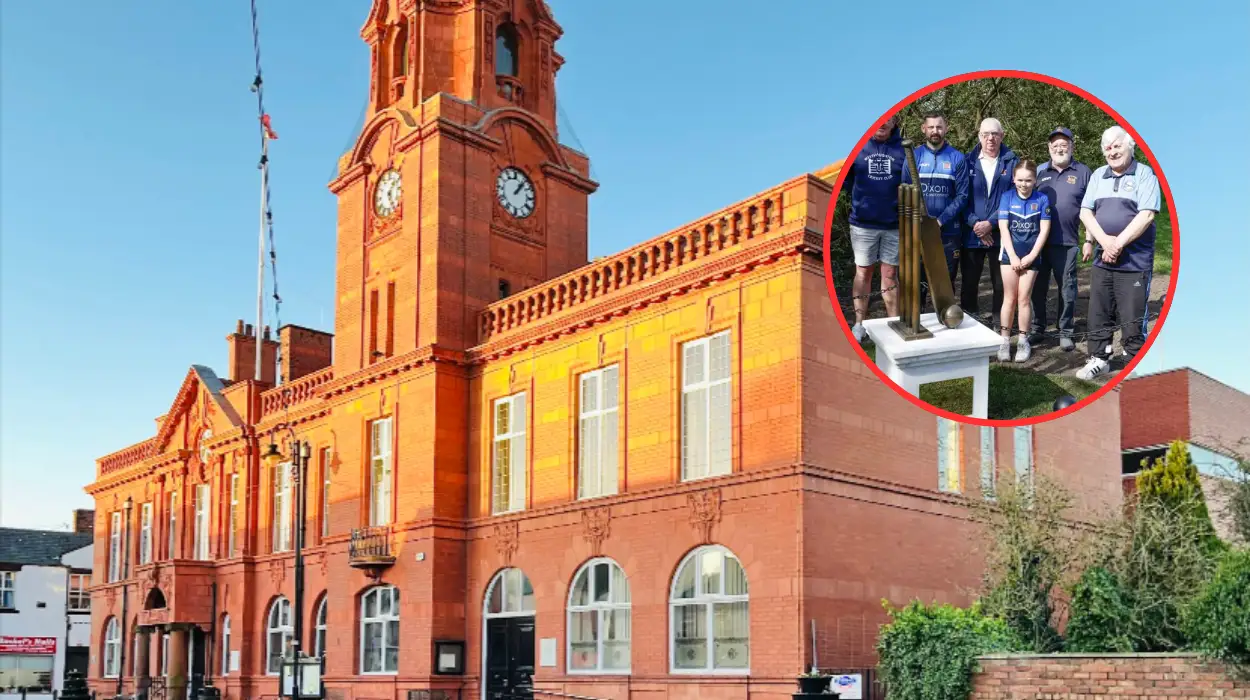
- Westhoughton Town Council members have clashed over the recent unveiling of three new statues on Cricketers Way, depicting a cow, cricket gear, and a greyhound (whippet).
- The statues celebrate the town's heritage: the cow from a local folk tale, cricket equipment representing local sports history, and the greyhound commemorating the former Westhoughton Greyhound Track (1951-2013).
- Funding originated from Section 106 developer contributions tied to the Sainsbury's store development over 16 years ago, with design and installation by Bolton Council.
- Westhoughton Town Council endorsed the planning application but was not directly involved in the project.
- Controversy centres on the greyhound statue, with some councillors arguing it risks glorifying a "cruel sport" without a plaque to remember the dogs, as reported in local coverage.
- The statues were described as a "fantastic enhancement" by the Westhoughton Town Council in an official statement.
- Statues unveiled around early May 2026, enhancing public art in the area.
- Broader context includes past debates on statues in Westhoughton, such as criticisms of a town centre statue not resembling its subject and a miners' memorial unveiled in 2010.
Westhoughton (Bolton Today) May 4, 2026 - Councillors in Westhoughton have locked horns this week over the unveiling of three new heritage statues on Cricketers Way, sparking debate about their symbolism and historical representation. The installations, funded by long-pending developer contributions, depict a cow, cricket gear, and a greyhound, but divisions emerged particularly over the whippet sculpture's nod to the town's former greyhound racing track. Local leaders endorsed the project yet voiced concerns on animal welfare and glorification of past sports.
What Sparked the Council Clash?
The row erupted following the installation of the statues, which aim to showcase Westhoughton’s cultural legacy. As detailed in a Yahoo News UK article, the three sculptures were unveiled to celebrate key elements of local history: a cow inspired by a folk tale of a trapped animal, cricket equipment honouring the sport's prominence, and a black-painted bronze whippet on a marble base commemorating the Westhoughton Greyhound Track from 1951 to 2013. The whippet measures 1.2 metres tall and 1.5 metres long, inscribed
"in memory of the grey who ran Westhoughton Grey track 1951-2013."
According to the Westhoughton Town Council statement quoted in the coverage,
"These statues are a fantastic enhancement to Westhoughton, showcasing its history and cultural legacy. They were financed through the 106 funds linked to the Sainsbury's development and were designed and set up by Bolton Council."
While the town council supported the planning application, it clarified no direct involvement in execution.
The Howfen Journal reported on the specific contention around the greyhound statue plans, noting councillors' insistence that the new artwork
"risks glorifying a cruel sport unless it includes a plaque remembering the dogs."
This highlights the tension between heritage celebration and modern ethical views on animal racing.
Who Supported the Statues' Unveiling?
Westhoughton Town Council expressed strong approval post-installation. In their official remark, they hailed the additions as a "fantastic enhancement," emphasising the funding from Section 106 contributions allocated for public art since the Sainsbury's build. Bolton Council handled the design and setup, ensuring professional execution.
The cow statue, the most prominent at 1.3 metres tall and 2.2 metres long, draws from a local legend where a farmer reportedly decapitated a cow rather than damage a five-barred gate—a tale blending folklore with Westhoughton's rural past. Cricket gear represents the area's sporting tradition, tying into landmarks like Cricketers Way.
No specific councillor names were attributed in favour in the primary sources, but the council's collective endorsement via planning approval indicates broad initial support.
Who Opposed the New Statues and Why?
Opposition focused on the greyhound statue, viewed by some as insensitive. The Howfen Journal covered the "row over plans," where unnamed councillors argued the sculpture could glorify greyhound racing, a sport now criticised for animal cruelty. They demanded a commemorative plaque for the dogs to balance the memorial.
This echoes wider sensitivities, as seen in a separate Facebook post criticising a pre-existing town centre statue of "Fred" for inaccuracy, with the sculptor paid despite likeness issues—a "thorn in the side" for locals. Though not directly linked, it underscores ongoing statue scrutiny in Westhoughton.
In contrast to harmonious unveilings like the 2010 miners' memorial— a bronze kneeling miner by sculptress Jane Robbins, funded by the council (2007-2011) and unveiled by Mayor Councillor Brian J Clare—these new statues faced immediate pushback.
What Are the Statues' Designs and Historical Ties?
Each statue uniquely reflects Westhoughton’s narrative. The whippet, on a natural white marble base, directly recalls the track near Cricketers Way, operational for over six decades. Its inscription personalises the tribute to the animals and era.
The cow, grounded directly, embodies the quirky tale prioritising gate over livestock, capturing folk humour. Cricket gear evokes communal sports heritage, aligning with the location's name.
Funded by developers' obligations post-Sainsbury's, the project utilised 16-year-old allocations, turning dormant funds into lasting public art.
When and How Were the Statues Unveiled?
Unveiled around May 1, 2026, the statues appeared without fanfare but quickly drew attention. Yahoo News UK described them as "three 'wonderful' new statues," suggesting positive initial reception amid the clash. Bolton Council's role ensured compliance and quality.
The timing coincides with local council activities, including opposition to Persimmon Homes' developments, showing active civic engagement.
Why Did Funding Take 16 Years?
Section 106 agreements mandate developer payments for community benefits like art. Here, Sainsbury's contributions sat unused until allocated for these heritage pieces. This delay highlights planning bureaucracies but ultimately enriched Cricketers Way.
Westhoughton Town Council noted its pleasure in endorsing, despite hands-off execution.
What Is the Broader Context of Statues in Westhoughton?
Westhoughton boasts precedents like the miners' memorial at an unspecified site, commissioned 2007-2011 with granite walls listing victims, unveiled December 19, 2010, by four-term Mayor Councillor Brian J Clare. Designed by Jane Robbins and fitted by Always in Our Thoughts Memorials, it stands as a sombre tribute.
A town centre "Fred" statue faces perennial complaints over resemblance and payment to the sculptor. These instances frame the new clash as part of statue politics.
Recent council defiance, like rejecting Persimmon's 100-home plan—Councillor David Chadwick (Bolton Mayor) declaring "We be saying up yours!" and Clerk David Marsden calling it profit over people—shows robust local advocacy.
How Has the Community Reacted?
Public sentiment mixes pride and critique. The Yahoo piece quotes council praise, positioning statues as heritage boosts. Yet, the greyhound debate reveals ethical divides, with calls for humane acknowledgements.
Facebook discourse on "Fred's" recent mask addition invites thoughts, indicating ongoing engagement. No widespread protests reported, but councillor horns-locking suggests internal rifts.
What Happens Next for the Statues?
No formal removal motions noted, unlike Belfast's Bobby Sands statue reconsideration (27-22 DUP vote). Westhoughton focus remains debate, potentially leading to plaques or reviews.
Bolton Council's involvement may prompt reviews if pressure mounts. The clash underscores balancing history with contemporary values in public memorials.