Key points
- Free museum and art gallery in town centre.
- Historic halls such as Smithills and Hall i’ th’ Wood.
- Bolton’s Egyptology collection is nationally significant.
- Local food markets and independent eateries in town centre.
- Regular cultural festivals and community‑led heritage events.
Bolton (Bolton Today) February 6, 2026 - Bolton, a market town in Greater Manchester, offers a compact but rich mix of food, culture, and history that can be explored over a single day or a longer weekend. The town blends industrial‑era heritage with modern community life, reflected in its museums, historic halls, local markets, and recurring cultural events. This guide focuses on evergreen, fact‑based options that remain relevant across seasons, with approximate costs, opening‑style details, and reference links to help you plan a visit.
Museums, art galleries and libraries
Bolton Art Gallery, Library & Museum, located on Le Mans Crescent in the town centre, is the town’s main cultural hub. It combines a museum, art gallery, public library, archives, and Greater Manchester’s only public aquarium in one complex. The building is Grade II listed and forms part of the Bolton Civic Centre, originally opened in 1939 and later expanded to house the museum and library under one roof.
The museum’s collections span Egyptology, archaeology, natural history, local history, and fine art. The Egyptology section is nationally significant, including one of the largest public Egyptology collections in the UK and a 3,200‑year‑old mummy. A dedicated gallery called “Bolton’s Egypt” features a full‑size reproduction of the burial chamber of Thutmose III and showcases around 15,000 ancient Egyptian artefacts, making it a major regional attraction for visitors interested in ancient civilisations.
The “Bolton’s Nature” gallery displays taxidermy specimens, botanical material, and larger animals such as a brown bear donated from Manchester Museum. The “Bolton’s Art” gallery presents paintings, sculptures, and prints, including works by J.M.W. Turner, Luca Giordano, Edward Burra, Elizabeth Blackadder, and Laura Knight, alongside a substantial collection of 20th‑century British prints.
The on‑site aquarium, open since 1941, is the only public freshwater‑fish aquarium in Greater Manchester and features tanks with species from rivers and lakes around the world. The adjoining library offers free Wi‑Fi, study spaces, and access to local archives, including family‑history resources.
Admission to the museum, gallery, library, and aquarium is free, although special exhibitions may occasionally charge a small fee. Typical opening hours are Tuesday–Saturday roughly 10:00–17:00, with Sunday–Monday closed or limited, so it is advisable to check the official site before travelling.
Location: Le Mans Crescent, Bolton BL1 1SE.
Historic halls: Smithills Hall and Hall i’ th’ Wood
Bolton’s historic halls provide a low‑cost way to explore centuries‑old architecture and local history. Both Smithills Hall and Hall i’ th’ Wood Museum are Grade‑listed buildings operated by Bolton Council and are included in the town’s wider museum network.
Smithills Hall is a Grade I‑listed manor house dating back to the 14th century, set in parkland on the edge of the town. The hall features period rooms, historic displays, and exhibitions on local life and industry, including textiles and engineering. The surrounding grounds include walking paths and picnic areas, many of which can be enjoyed without paying an entrance fee to the house itself. The hall is frequently used for educational visits, family‑friendly events, and occasional themed weekends such as medieval fairs or craft markets.
Hall i’ th’ Wood Museum is a Grade I‑listed half‑timbered hall from the early 16th century, presented as a historic house museum with period interiors and interpretive displays. It is notable for its association with Samuel Crompton, inventor of the spinning mule, and includes exhibits on his life and work. The building is often used for school trips, heritage talks, and seasonal events, some of which are free or low‑cost for local residents.
Both sites are marketed as part of Bolton’s “Halls and Museums” offer, and entry is typically free or very low‑cost, with occasional special‑event pricing. They are suitable for visitors interested in architecture, social history, and quieter, more reflective experiences than large commercial attractions.
Industrial heritage and specialist museums
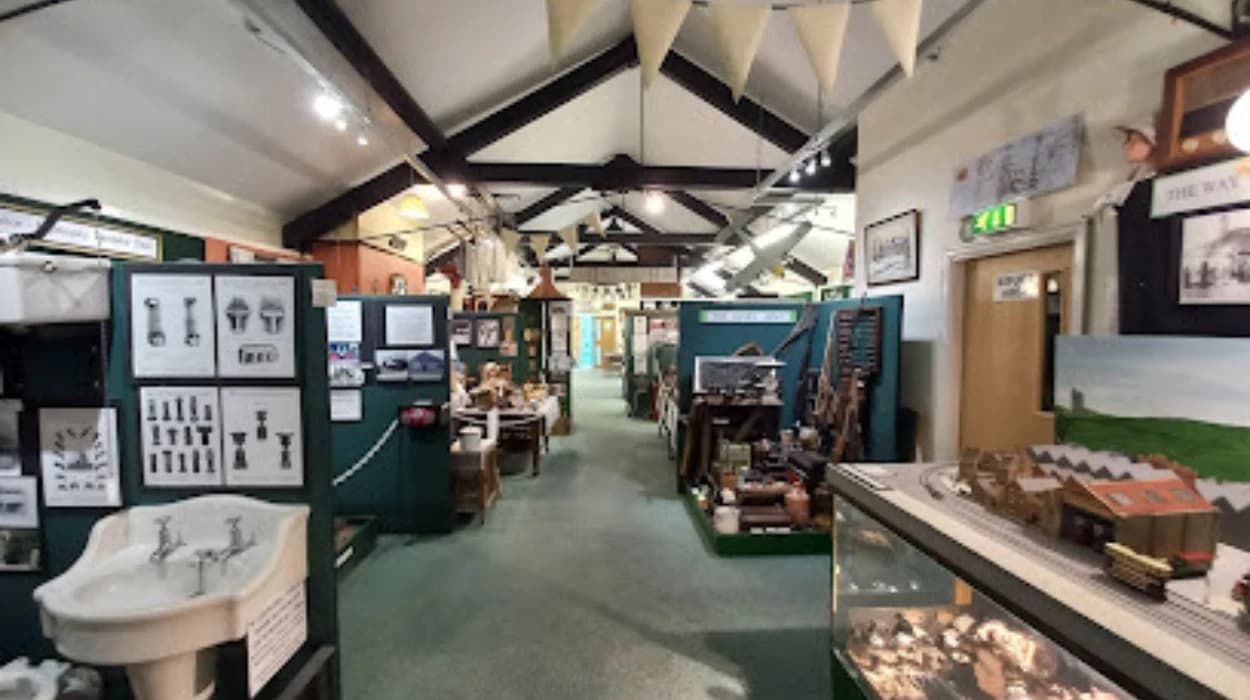
Bolton Steam Museum, located in the town centre, showcases over 27 restored steam engines and industrial machinery. The museum is run largely by volunteers and focuses on Bolton’s role in the Industrial Revolution, particularly in textile and engineering industries.
Admission is low‑cost, with typical adult entry around £4–£6 and concessions and children’s tickets cheaper. Some free entry days or local resident offers may be available periodically, often advertised through the council’s events pages or local community boards.
The museum provides interactive activity sheets and model‑engine demonstrations aimed at children, alongside interpretive panels explaining the role of steam power in Bolton’s industrial past. Volunteers often give informal talks or demonstrations on operating days, adding an educational element without extra charge. This makes it a strong option for a rainy‑day outing or for visitors interested in engineering and history without spending heavily.
Horwich Heritage Centre and local history venues
Horwich Heritage Centre, in the nearby town of Horwich, focuses on the history of the Horwich Locomotive Works and the wider area. The centre is housed in a former railway building and includes photographs, documents, and artefacts related to locomotive manufacturing and local community life.
Entry is typically low‑cost or free, with occasional special‑event pricing. The centre is often used for talks, exhibitions, and school visits, and it forms part of Bolton Council’s wider heritage‑attraction network. Similar local‑history venues, such as smaller community museums and archive rooms, are listed on the Visit Bolton “Museums & Galleries” page, which allows visitors to filter by type, age suitability, and accessibility.
Food, markets and local eating culture
Bolton Market, including the indoor market hall on Market Street, offers a range of stalls selling fresh produce, clothing, and household goods at competitive prices. The market is located in the town centre and is within easy walking distance of the museum, library, and other attractions.
Fresh fruit, vegetables, and bakery items are often cheaper than supermarkets, and many stalls offer bulk or discount deals for larger purchases. Street‑food style stalls and cafes provide quick, inexpensive meals such as hot drinks, sandwiches, and light snacks, typically priced between £2–£6 depending on the vendor.
Because the market is walkable from the town‑centre attractions, you can combine a visit to the museum or library with a low‑cost lunch or snack. Market opening hours are typically Monday–Saturday daytime, with some stalls closing on Sundays, so it is advisable to check the council’s trading‑standards or market‑information page before travelling.
Community‑run cafes and independent eateries
Several community‑run cafes and independent eateries in Bolton offer meals and drinks at lower prices than chain restaurants. These venues are often located near the town centre, parks, and community centres, making them convenient stops during a budget‑friendly day out.
Local cafes near the town centre and parks often serve hot drinks from around £2–£3 and light meals from £5–£8. Some venues host “pay‑what‑you‑can” or community‑meal events on specific days, which can further reduce costs for visitors. These events are usually advertised through social‑media pages, community boards, and local newsletters.
Checking social‑media pages or community boards for current offers can help you find the cheapest options for a weekend visit. Many of these venues also participate in local initiatives such as food‑waste reduction schemes or surplus‑food redistribution, which can translate into lower prices for customers.