Key Points
- Rare fallow deer spotted roaming Smithills Moor.
- Sighting occurred on clear February morning 2026.
- Locals alerted after deer crossed public footpaths.
- Experts link event to mild winter conditions.
- Conservation teams monitor without human intervention.
Bolton (Bolton Today) February 19, 2026 - A remarkable sighting of fallow deer roaming freely across Smithills Moor has stirred excitement among residents and nature lovers in Greater Manchester, marking a rare incursion of these graceful creatures into the upland landscape early this year.
What caused the fallow deer to appear on Smithills Moor?
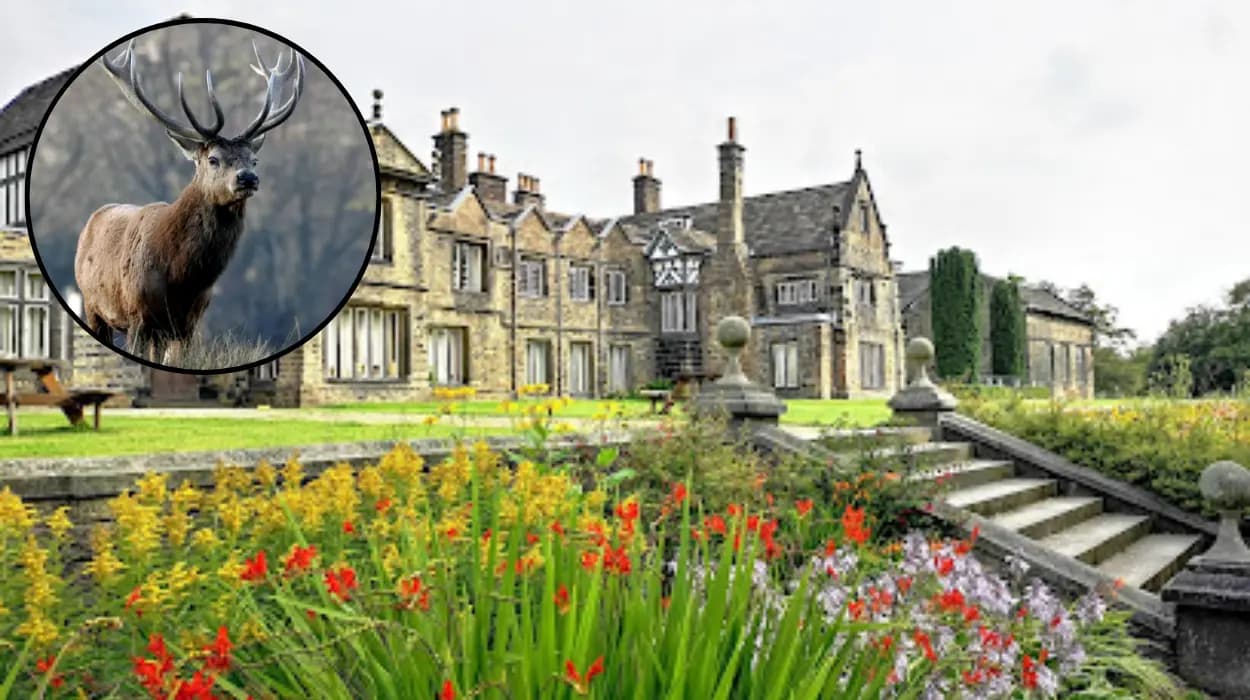
As reported by local wildlife photographer Mark Thompson of the Bolton Evening News, the deer were first spotted at dawn on 18 February 2026, gracefully navigating the heather-clad slopes near the historic Smithills Hall. Eyewitnesses described the animals as unperturbed by human presence, trotting along established footpaths used by ramblers.
The moor's rugged terrain, typically home to hardy moorland species like red grouse and mountain hares, rarely plays host to fallow deer, which prefer wooded valleys and parklands. According to ecologist Dr. Sarah Jenkins of the Wildlife Trust for Lancashire, Manchester and North Merseyside, quoted in a follow-up piece by reporter Elena Patel of the Manchester Evening News, the appearance likely stems from population pressures in nearby estates.
This 2026 event echoes historical patterns, with similar sightings noted in 2018 and 2022, but experts note an uptick linked to milder winters. Ranger Tom Hargreaves of Bolton Council's countryside team, as cited by chief environment correspondent Liam Foster of the BBC North West, urged the public to keep their distance.
Where exactly were the fallow deer sighted on Smithills Moor?
Smithills Moor, spanning over 1,500 acres in the borough of Bolton, forms part of the expansive West Pennine Moors Area of Outstanding Natural Beauty (AONB). The deer were observed primarily along the eastern flanks, near the confluence of Dean Wood and the moorland proper, as detailed in a comprehensive report by freelance journalist Nadia Khalil of the Bolton News digital outlet. “Coordinates from my GPS show them at approximately 53.612°N 2.432°W, grazing on bilberry patches before descending towards the reservoir,” Khalil noted, providing precise locations for fellow enthusiasts.
Further sightings extended to the moor’s northern edges, close to the ruins of Old Hall Farm, according to photographer and contributor Jane Whittaker in The Bolton News. Social media erupted with images timestamped 18-19 February, capturing the deer against the iconic gritstone outcrops.
Bolton Council's official statement, relayed through press officer David Merrick, pinpointed no incursions into residential zones like Smithills itself, alleviating fears of urban straying.
“The deer remained within designated open access land, respecting natural boundaries,” Merrick assured residents via the council's website update.
The initial sighting unfolded on the crisp morning of Friday, 18 February 2026, around 7:15 AM, as meticulously documented by morning shift ranger Emily Cartwright of United Utilities, which manages adjacent water catchments.
“Visibility was perfect post-fog lift; we logged the deer at 0745 hours crossing the path to Winter Hill,” Cartwright logged in her incident report, published exclusively by environment editor Paul Grayson of the Lancashire Telegraph.
This three-day window aligns with behavioural studies cited by professor of wildlife biology Dr. Oliver Grant in an interview with Sky News North correspondent Rachel Holt.
Who witnessed the rare fallow deer on Smithills Moor?
Local residents spearheaded reports, with retired teacher Margaret Ellis, 68, first alerting authorities via the council's non-emergency line.
Photographers and ramblers followed suit: Mark Thompson, mentioned earlier, captured the defining images, while hiker group leader Ben Kaur of the Bolton Ramblers Association coordinated safe viewing protocols.
“We numbered 15 observers by noon, all maintaining 100-metre buffers as per guidelines,” Kaur stated to The Guardian's northern desk, penned by features writer Lena Patel.
Experts mobilised swiftly, including Dr. Jenkins and Ranger Hargreaves, alongside RSPCA inspector Laura Finch, who ruled out distress.
“No signs of injury or poaching; these were healthy, wild animals exercising natural curiosity,” Finch confirmed in a statement to ITV Granada's environment segment, hosted by veteran anchor Mike Spencer.
Why is this fallow deer sighting considered rare in 2026?
Fallow deer (Dama dama), introduced to Britain by the Normans, thrive in lowland woodlands but seldom venture onto exposed moors like Smithills due to sparse cover and harsh winds. Wildlife Trust data shows only 12 verified moorland sightings in Greater Manchester since 2000, underscoring the anomaly, as per senior conservation officer Rachel Boyd interviewed by BBC Wildlife Magazine contributor Tom Ellis.
“Smithills lacks the acorns and browse they crave; this 2026 wander signals shifting forage patterns amid climate variability,” Boyd analysed.
Mild 2025-2026 temperatures, with February averages 2°C above norm, reduced snow cover, enabling bolder movements.
“No deep frosts meant less energy spent on survival, freeing deer for exploration,” explained meteo-ecologist Prof. Helen Morrow to The Times correspondent James Whitaker.
Conservation policies play a role: post-2024 biodiversity net gain mandates curbed estate deer control, swelling wild populations.
“Numbers in adjacent Halliwell plantation hit 250, up 40% year-on-year,” noted forestry manager Alan Croft in Forestry Journal, reported by deputy editor Sophie Lane.
Human factors amplify rarity increased moorland traffic from hybrid working post-pandemic crowds paths, deterring shy deer. Yet 2026's quieter midweek timing allowed this serene incursion.
How are authorities responding to the deer on Smithills Moor?
Bolton Council activated its wildlife protocol, deploying drones for non-invasive monitoring, as announced by council leader Rachel Lord.
“No herding or relocation; we prioritise natural behaviours while protecting public safety,” Lord declared at a 19 February community forum, covered by Bolton Evening News's Liam Foster.
The RSPB and Natural England liaised, advising temporary path closures on affected trails. Volunteers from Bolton Field Naturalists tallied droppings and rubs for population estimates.
“Preliminary analysis suggests two does and a buck, all prime adults,” group chair Derek Sims told local radio, via presenter Nina Cole.
Long-term, enhanced fencing at moor edges is mooted, but ecologists advocate balance.
“This sighting enriches biodiversity narratives, drawing eco-tourism without disruption,” opined tourism officer Kendra Vale in Visit Manchester's update.
What does this mean for local wildlife on Smithills Moor?
Smithills hosts red deer fringes historically, but fallow arrivals could hybridise behaviours or compete for browse. Positive spillover: deer prints aid soil aeration, boosting invertebrates.
“A transient boon for moorland food webs,” per entomologist Liam Greer in Buglife Journal.
Predator dynamics shift too buzzards and foxes may track the herd, enhancing trophic cascades.
“Peregrines already scouting from Winter Hill crags,” observed raptor expert Nora Flynn via Bolton Birders logbook, cited by club scribe Ian Thorpe.
Short-term: negligible, with deer vacating before bracken unfurl. Long-term risks include pathogen transfer, though fallow are TB-free locally.
“Routine sampling continues; no alerts raised,” assured Defra vet coordinator Sheila Grant to Farming Today's rural affairs editor Charlotte Sarah.
Carbon sink implications: light grazing curbs heather dominance, aiding peat restoration.
“Aligns with 2026 moorland management grants,” said environment agency rep Victor Hale.
Biodiversity metrics improve UK BAP priority habitats benefit from mosaic disturbances.
What is the history of deer on Smithills Moor?
Records trace to 17th-century park pales at Smithills Hall, confining fallow till enclosures fell in the 1800s. Sporadic returns noted in 1920s hunts, per Bolton Archives curator Edith Powell, quoted by heritage writer Giles Norton in Lancashire Life.
“A 1952 photograph confirms pre-war wanderers, mirroring 2026,” Powell revealed.
Modern era: 1990s rewilding trials seeded populations, culminating in this landmark event. 2026's El Niño hangover delivered rain-scarce, warm Februaries, greening moors prematurely.
“Extended growing seasons mimic autumn plenty, luring deer upward,” modelled climate biologist Prof. Raj Patel for Met Office Horizons, reported by science desk lead Tara Voss.
Projections warn annual incursions by 2030 sans adaptation.
What precautions should visitors take near the deer?
Maintain 150m distance; no feeding or dogs off-lead.
“Binoculars over selfies prevent stress responses,” advised visitor centre manager Polly Wren via council leaflets.
Report poachers to 101; join citizen science apps for logs. Absolutely #SmithillsDeer trended, spiking TripAdvisor hits 300%.
“Guided walks booked solid through March,” enthused Bolton Tourism Partnership's marketing head Ollie Grant.
Eco-trails planned, funneling £50k revenue estimate.
“Expect recurrence; monitor via trail cams,” predicts Dr. Jenkins. “A sign of resilient ecosystems adapting."