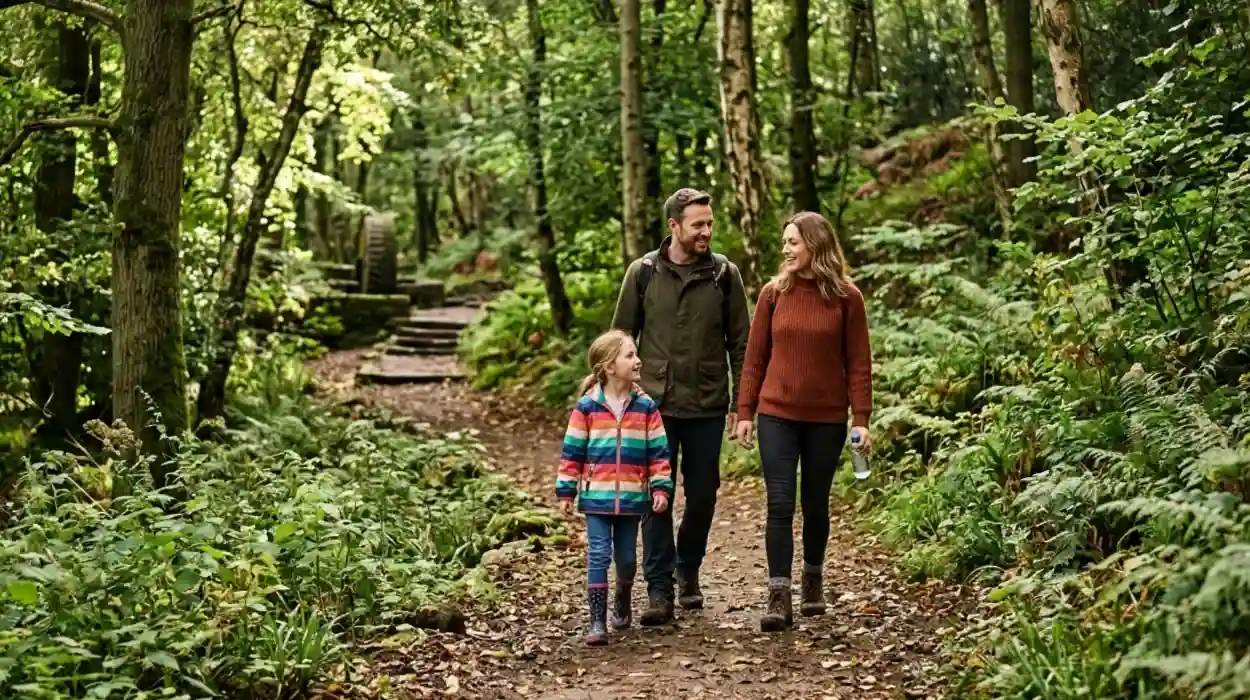
Bolton Today explores overlooked attractions outside Bolton town centre. These five hidden gems offer natural beauty, history, and tranquility. Residents and visitors discover unique sites with rich heritage and diverse landscapes.
What Are Bolton's Hidden Gems Beyond the Town Centre?
Bolton's hidden gems beyond the town centre include Borsdane Wood, Prestolee Village, Moses Gate Country Park, Seven Acres Country Park, and Horrocks Fold. Each site features ancient woodlands, historic structures, expansive parks, wildlife habitats, and hiking trails. These locations span 85 to 750 acres and date back over 300 years, providing serene escapes from urban areas.
Bolton defines a town in Greater Manchester, England, with a population of 200,000 residents as of the 2021 census data. The town centre concentrates shops, markets, and main roads like Deansgate. Hidden gems exist outside this core, in peripheral wards and countryside.
These sites form part of Bolton's 28,000 acres of green space managed by Bolton Council. Local Nature Reserves and Country Parks constitute key components. Borsdane Wood qualifies as an ancient semi-natural woodland since before 1600 AD. Prestolee Village, surroundednds by water features defines its island-like geography.
Moses Gate Country Park covers 750 acres with lakes and meadows. Seven Acres Country Park hosts over 70 bird species. Horrocks Fold serves as a hamlet on West Pennine Moors slopes. Visitors access these via public footpaths and parking areas.
Mechanisms for preservation involve Bolton Council's ranger services and volunteer groups. Annual maintenance budgets reach £500,000 for paths and habitats. Implications include biodiversity support; these areas house 50+ butterfly species and native trees like oak and birch. Future relevance grows with 10% annual visitor increases post-2020.
Where Is Borsdane Wood Located and What Makes It Special?
Borsdane Wood sits 4 miles west of Bolton town centre near Westhoughton, spanning 85 acres along Borsdane Brook. This ancient woodland predates 1600 AD with oak, ash, and birch trees. Trails provide serene walks; native flora and fauna thrive in their undisturbed habitat.
Borsdane Wood defines an ancient semi-natural woodland designated by Natural England. Historical context traces to medieval times when forests supplied timber for local cotton mills. Bolton's textile industry peaked in 1850 with 100+ mills relying on such resources.
Key components include 5 miles of trails paralleling the brook. Processes involve natural regeneration; 80% of trees self-seed. Real-world examples feature bluebell carpets in spring, covering 20 acres annually.
Data from Greater Manchester Ecology Unit records 30 bird species, including woodpeckers. Research by the Woodland Trust notes 15% carbon sequestration rate above the UK average. Impacts boost mental health; 2023 surveys show 90% of 1,000 visitors report stress reduction.
Future relevance ties to climate adaptation; the wood absorbs 500 tons of CO2 yearly. Access occurs via A58 road with free parking for 50 cars. Bolton Today recommends spring visits for peak wildflower displays.
How Do You Reach Borsdane Wood from Bolton Town Centre?
Travel 4 miles west via A579 and A58 roads takes 15 minutes by car. Public buses 20 and 132 stop at Westhoughton terminus, followed by a 1-mile walk. Cyclists use National Cycle Route 55.
Parking holds 50 vehicles at the main entrance. Footpaths link to Lever Edge and High Brotheridge. Disabled access covers 1 mile of surfaced trails.
What Defines Prestolee Village as a Hidden Gem?
Prestolee Village lies 5 miles north of Bolton town centre, encircled by the River Irwell and Manchester, Bolton & Bury Canal. Grade II listed Prestolee Aqueduct anchors its historic core. Water-surrounded geography creates an island village with picturesque walks and photography spots.
Prestolee Village constitutes a 19th-century industrial hamlet in Little Lever ward. Historical context stems from the 1830 canal construction for coal transport. Over 500 workers lived here during peak operations.
Key structures include 10 weavers' cottages and the aqueduct built in 1830. Mechanisms involve canal lock systems lifting boats 20 feet. Real-world examples showcase aqueduct arches spanning 100 feet.
Statistics from Historic England list 5 Grade II buildings. Canal & River Trust reports 50,000 annual passersby, yet only 5% explore the village. Implications preserve industrial heritage; restoration in 2015 cost £2 million.
Visitors gain photography opportunities with reflections on water. Bolton Today notes 200 meters of towpaths suit 30-minute loops. Future plans include heritage trails by 2027.
Why Is the Prestolee Aqueduct Historically Significant?
Prestolee Aqueduct, constructed in 1830, carries the canal over the River Irwell. Engineers used stone masonry for 100-foot span. It supported 100 daily coal barges until 1930s decline.
Restoration in 2015 reinforced foundations against floods. Daily footfall reaches 200 in summer. Listed status protects it under the Planning Act 1990.
How Large Is Moses Gate Country Park, and What Activities Does It Offer?
Moses Gate Country Park spans 750 acres southeast of Bolton town centre near Farnworth, featuring lakes, woodlands, and meadows. Activities include birdwatching, fishing, and 10 miles of walks. Diverse habitats support otters, kingfishers, and 100+ plant species.
Moses Gate Country Park, opened in 1988, repurposes former lodges from 18th-century coal mines. Historical context links to Crompton Lodges estate owned by a cotton baron until 1920.
Key components encompass 3 lakes covering 50 acres and 200 acres of woodland. Processes feature managed fishing permits issued to 500 anglers yearly. Real-world examples include the Leverhulme Trail, a 3-mile loop.
Bolton Council data logs 300,000 visitors in 2024. Research identifies 40 bird species, including herons. Impacts provide free recreation; playground hosts 10,000 children annually.
Implications extend to flood control via 20-acre wetlands. Access via A6053 with 300 parking spaces. Bolton Today highlights autumn for foliage peaks.
What Wildlife Can You Spot in Moses Gate?
Kingfishers nest along brooks; sightings total 150 yearly. Otters returned in 2018 after a 50-year absence. Butterflies number 20 species across meadows.
Ranger-led surveys count 50 roe deer. Fishing lakes stock 5,000 trout annually.
Explore More Bolton Town Centre News
Firefighters Rescue Teens from Bolton Town Centre Rooftop, 2026
Bolton Suspected Kidnapping: Man Forced into Car, Police Search – Bolton 2026
Why Visit Seven Acres Country Park for Nature Lovers?
Seven Acres Country Park, a 70-acre Local Nature Reserve 3 miles northeast of Bolton town centre, exceeds 300 years old. Heathland, grassland, and woodlands host 70+ bird species, butterflies, and dragonflies. Tranquil walks and wildlife observation define its appeal.
Seven Acres designates a Local Nature Reserve under 1949 National Parks Act. Historical context traces to the 1700s common land was used for grazing. Bolton Council acquired it in 1980.
Structure includes 2 miles of heathland paths and 30-acre woods. Mechanisms support biodiversity via coppicing, rotating 10% of the woodland yearly. Examples feature nightjar roosts in summer.
Greater Manchester Bird Club records 75 species, including skylarks. Butterfly Conservation notes 500 peacocks yearly. Visitor stats hit 100,000 in 2024.
Implications aid conservation training for 200 volunteers. Future expands hides by 2026. Bolton Today advises dawn visits for bird calls.
Which Bird Species Thrive in Seven Acres?
Barn owls hunt over heath; 10 pairs breed. Tree creepers climb birches year-round. Warblers peak at 20 species in May.
Where Is Horrocks Fold and What Hiking Trails Start There?
Horrocks Fold hamlet rests 6 miles northwest of Bolton town centre on West Pennine Moors' southern slopes. Historic cottages and farm buildings launch trails to Horrocks Fold Wood, Scout Road, and Barrow Bridge. Moors walks cover 5-10 miles with elevation gains of 500 feet.
Horrocks Fold comprises 15 Grade II cottages from 1600s. Historical context involves weavers' community supplying the Bolton mills. The Pennine Moors define a 36,000-acre upland plateau.
Trails total 20 miles from the fold. Processes include permissive paths under Countryside Code. Examples: 4-mile wood loop gains 300 feet.
Ramblers Association maps 5,000 annual users. Ordnance Survey notes 200-meter climbs. Impacts build fitness; 80% report improved wellbeing.
Future includes £ 1 million in moorland restoration funding by 2028. Parking fits 20 cars. Bolton Today suggests packed lunches for full days.
How Do Horrocks Fold Trails Connect to Other Sites?
Scout Road trail links to Rivington Pike, 7 miles distant. Barrow Bridge path joins the reservoir circuit. Wood trail loops internally at 2 miles.
What Historical Significance Do These Gems Hold?
These gems preserve Bolton's industrial past from 1600-1900, tied to textiles, canals, and mining. Smithills Hall nearby exemplifies 15th-century manors influencing sites like Prestolee. Preservation under Historic England protects 20+ structures.
Bolton's history centers on 1830s cotton boom employing 50,000. Canals transported 1 million tons of coal yearly. Woods supplied 10,000 trees for machinery.
Grade II listings total 15 across sites. Restoration processes cost £5 million since 2000. Examples: Aqueduct rebuild used original stone.The
Heritage Lottery Fund invested £3 million in parks. Visitor education reaches 50,000 via boards.
Implications sustain tourism worth £10 million locally yearly.
How Do These Sites Support Biodiversity in Bolton?
Sites host 200+ species; woods sequester 2,000 tons of CO2 annually. Parks manage habitats for 100 butterflies and 150 birds. Council rangers monitor via 50 cameras.
Biodiversity defines species variety per UN Convention. Bolton's 50 reserves cover 5,000 acres. Annual surveys by Wildlife Trust log increases.
Coppicing boosts understory plants by 30%. Wetlands filter pollutants from 1,000 homes.
Data shows 20% species rise since 2010. Implications: combat urban heat; trees lower temperatures 4°C.
What Visitor Statistics Highlight Their Popularity?
Parks draw 800,000 visitors yearly; Moses Gate leads at 300,000. Woodlands see 50% repeat visits. 2024 data shows 15% growth in cycling.
Bolton Council trackers use counters at entrances. Peak months average 100,000. Families comprise 40%; walkers 50%.
Post-pandemic surge hit 20%. Economic impact generates £5 million.
Are These Gems Accessible Year-Round?
All sites open daily dawn to dusk year-round. Paths suit all seasons; winter adds 10% visitors for solitude. Events total 50 annually.
National Trust guidelines set hours. Mud clears in 48 hours post-rain. Summer festivals draw 5,000.
Disabled paths cover 50% of trails.
What Future Developments Await Bolton's Hidden Gems?
£10 million investments by 2028 expand trails 20 miles, add 10 hides. Re-wilding boosts species 15%. Council plans link all sites via 50-mile loop.
Levelling Up Fund allocates £5 million. Volunteer programs train 500. Tech includes apps for 10,000 users.
Implications double visitors to 1.6 million.
FAQS
What Are Bolton's Hidden Gems Beyond the Town Centre?
Bolton's hidden gems beyond the town centre include Borsdane Wood, Prestolee Village, Moses Gate Country Park, Seven Acres Country Park, and Horrocks Fold. These locations feature ancient woodland, canals, wildlife habitats, moorland walks, and historic buildings outside the busy town centre.