Key Points
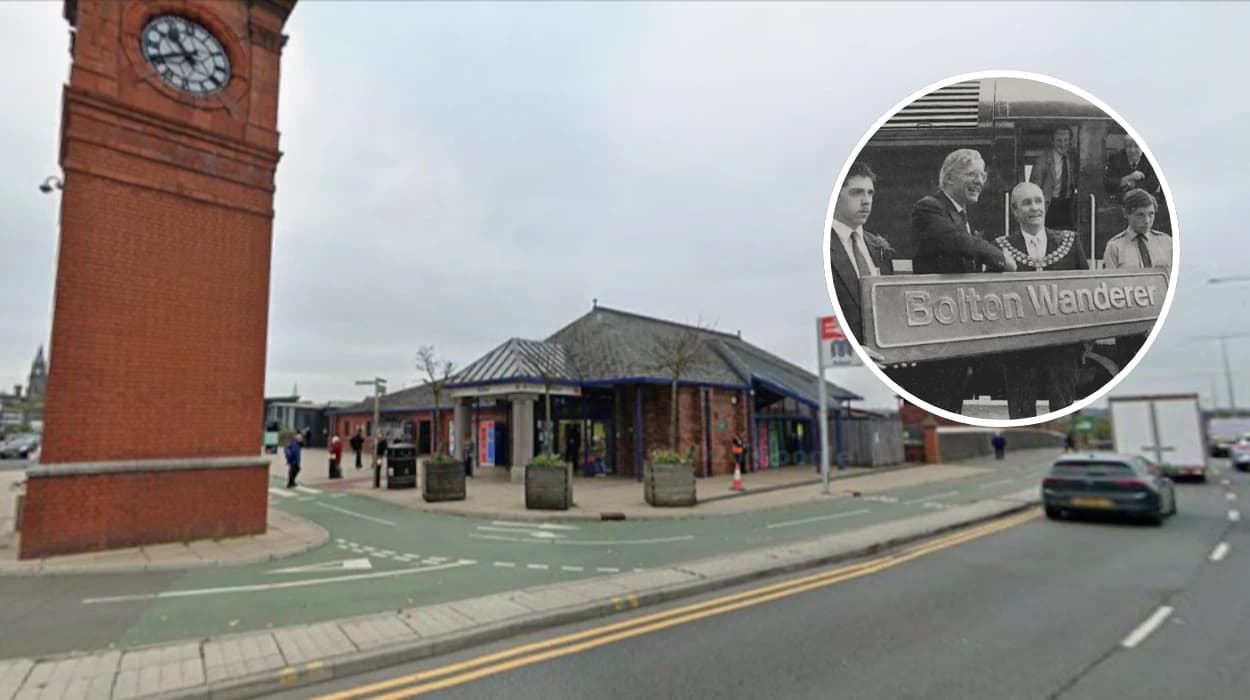
- A naming ceremony for Class 47 locomotive No. 47 813 took place at Bolton Trinity Street Station on Friday, June 9, 1989.
- The locomotive was named Bolton Wanderer to honour the town of Bolton and its famous football team, Bolton Wanderers.
- The event featured a carnival atmosphere, complete with the jingling performance of the Horwich Morris Men.
- Class 47 813 boasts large-capacity fuel tanks, placing it among locomotives permitted to haul the Royal Train.
- The name Bolton Wanderers was selected from suggestions provided by Bolton Council to British Railways.
- The ceremony was officiated by the Mayor of Bolton, Cllr. Ken MacIvor.
- Notable attendees included the Duke of Norfolk, local Members of Parliament (MPs), members of Bolton Wanderers Football Club—such as the legendary Nat Lofthouse—and Mr Cyril Bleasdale OBE, General Manager of the London Midland Region.
- Original plans called for the naming to coincide with Bolton’s 150th local government anniversary celebrations the previous year, but it was delayed because the Windsor Link was not fully operational.
- The delay ensured the event aligned with Bolton joining the InterCity network.
Bolton (Bolton Today) April 25, 2026 – A historic naming ceremony for Class 47 locomotive No. 47 813, dubbed Bolton Wanderer, unfolded at Bolton Trinity Street Station on Friday, June 9, 1989, drawing crowds amid a vibrant carnival atmosphere. The event celebrated the town’s railway heritage and its iconic football club, Bolton Wanderers, with the locomotive’s name chosen from suggestions by Bolton Council. Performed by the Mayor of Bolton, Cllr. Ken MacIvor, the ceremony highlighted the loco’s elite status among those capable of hauling the Royal Train, thanks to its large-capacity fuel tanks.
What Was the Nature of the Naming Ceremony?
The ceremony at Bolton Trinity Street Station was marked by festive energy, as reported in The Railway Magazine (August 1989 issue). There was a carnival atmosphere, accompanied by the jingling of the Horwich Morris Men, who added traditional flair to the proceedings. As detailed in the magazine’s coverage, Class 47 No. 47 813 was officially named Bolton Wanderer in a public spectacle that underscored Bolton’s pride in its transport and sporting legacy.
The locomotive’s naming carried deep local significance. With its large-capacity fuel tanks, 47 813 belonged to the stud of locomotives allowed to haul the Royal Train, a mark of its reliability and prestige. The name Bolton Wanderer was chosen from a list of suggestions supplied to British Railways by Bolton Council, explicitly to remind people of the town’s famous football team, Bolton Wanderers. This connection evoked community spirit, linking rail history with football fandom.
Who Performed the Naming and Who Attended?
The naming was performed by the Mayor of Bolton, Cllr. Ken MacIvor, who took centre stage in the ceremony. He was joined by an illustrious gathering of dignitaries and local figures. Attendees included the Duke of Norfolk, local MPs, members of Bolton Wanderers Football Club—featuring the legendary Nat Lofthouse—and Mr Cyril Bleasdale OBE, General Manager of the London Midland Region.
No additional statements from attendees were recorded in the primary source, but the presence of such prominent individuals amplified the event’s prestige. Cllr. Ken MacIvor’s role as officiant symbolised civic endorsement, while Nat Lofthouse’s attendance bridged the worlds of sport and rail. Mr Cyril Bleasdale OBE represented British Railways’ leadership, affirming the operator’s commitment to local heritage initiatives.
Why Was the Locomotive Named Bolton Wanderer?
The name Bolton Wanderer directly referenced Bolton Wanderers Football Club, a cornerstone of the town’s identity. As reported by The Railway Magazine (August 1989), the moniker was selected from Bolton Council’s suggestions to British Railways, ensuring it resonated with residents. This choice immortalised the football team on a locomotive that served the region’s rail network.
The loco’s technical attributes further justified the honour. Its large-capacity fuel tanks qualified it for Royal Train duties, a rare distinction among Class 47s. By naming it Bolton Wanderer, British Railways not only celebrated local culture but also highlighted the town’s integration into the national rail map, particularly via the InterCity services.
What Caused the Delay in the Original Naming Plans?
Originally, the naming had been planned for the previous year to coincide with Bolton’s 150th local government anniversary celebrations. However, as noted in The Railway Magazine (August 1989), the Windsor Link—a key rail infrastructure project—was not fully operational at that time. British Railways decided to postpone until Bolton was firmly on the InterCity map.
This strategic delay enhanced the event’s impact. The Windsor Link’s completion allowed smoother operations through Trinity Street Station, aligning the ceremony with Bolton’s elevated status in the InterCity network. The wait ensured the locomotive’s naming marked a new era for the town’s connectivity.
How Did the Ceremony Reflect Bolton’s Heritage?
The event wove together rail, civic, and sporting threads of Bolton’s history. The Horwich Morris Men’s performance evoked traditional English folk customs, complementing the modern spectacle of a Class 47 naming. Cllr. Ken MacIvor’s involvement underscored municipal pride, while the Duke of Norfolk’s presence added aristocratic gravitas.
Bolton Wanderers’ representatives, including Nat Lofthouse—a club legend known as the “Lion of Vienna” for his international exploits—brought footballing glory to the railside. Mr Cyril Bleasdale OBE’s attendance signalled British Railways’ investment in community ties. Local MPs ensured political representation, making the ceremony a microcosm of Bolton’s multifaceted identity.
What Role Did British Railways and Bolton Council Play?
British Railways collaborated closely with Bolton Council on the naming. The council supplied the list of suggestions, from which Bolton Wanderer was chosen, demonstrating public input in rail heritage decisions. This partnership reflected broader efforts to localise national infrastructure.
The loco’s Royal Train capability highlighted British Railways’ operational standards. Mr Cyril Bleasdale OBE, as General Manager of the London Midland Region, oversaw such events, ensuring they met protocol. The delay tied to the Windsor Link showcased British Railways’ focus on infrastructure readiness before ceremonial milestones.
Who Were the Key Figures Involved?
- Cllr. Ken MacIvor: Mayor of Bolton; performed the naming.
- Duke of Norfolk: Prominent aristocrat; attended as a guest of honour.
- Local MPs: Represented parliamentary interests; exact names not specified in reports.
- Bolton Wanderers Football Club members: Included Nat Lofthouse, the legendary forward who scored over 280 goals for the club.
- Mr Cyril Bleasdale OBE: General Manager, London Midland Region; British Railways representative.
- Horwich Morris Men: Provided musical entertainment with jingling bells.
No direct quotes from these figures appear in the archived coverage, but their participation spoke volumes about the event’s significance.
What Is the Lasting Legacy of the Bolton Wanderer Naming?
The 1989 ceremony remains a touchstone for rail enthusiasts and Bolton locals alike. Preserved in The Railway Magazine (August 1989), it exemplifies how naming locos fosters community bonds. Bolton Wanderer symbolised resilience, much like the town’s football team, which has competed in top leagues for decades.
Today, with ongoing rail heritage events across the UK, this story resonates amid celebrations like Railway 200. The Windsor Link’s role prefigures modern upgrades, such as electrification projects. For Bolton, it marks a proud chapter where steel and sport converged at Trinity Street Station.
Broader Context: Locomotive Naming Traditions
Class 47s were frequently named to honour places, people, or events, with 47 813’s designation fitting this tradition. Its Royal Train eligibility set it apart, as only select locos met the fuel and reliability criteria. Bolton Council’s involvement mirrored other civic namings, blending local democracy with national rail policy.
The Horwich Morris Men’s contribution highlighted cultural integration in industrial settings. Nat Lofthouse’s presence linked the event to post-war football heroism, when Bolton Wanderers reached the 1958 FA Cup Final. Mr Cyril Bleasdale OBE’s oversight ensured procedural integrity.