Key Points:
- Planners have rejected a bid to build a house on protected green belt land in Horwich, dismissing claims that the site qualifies as "grey belt".
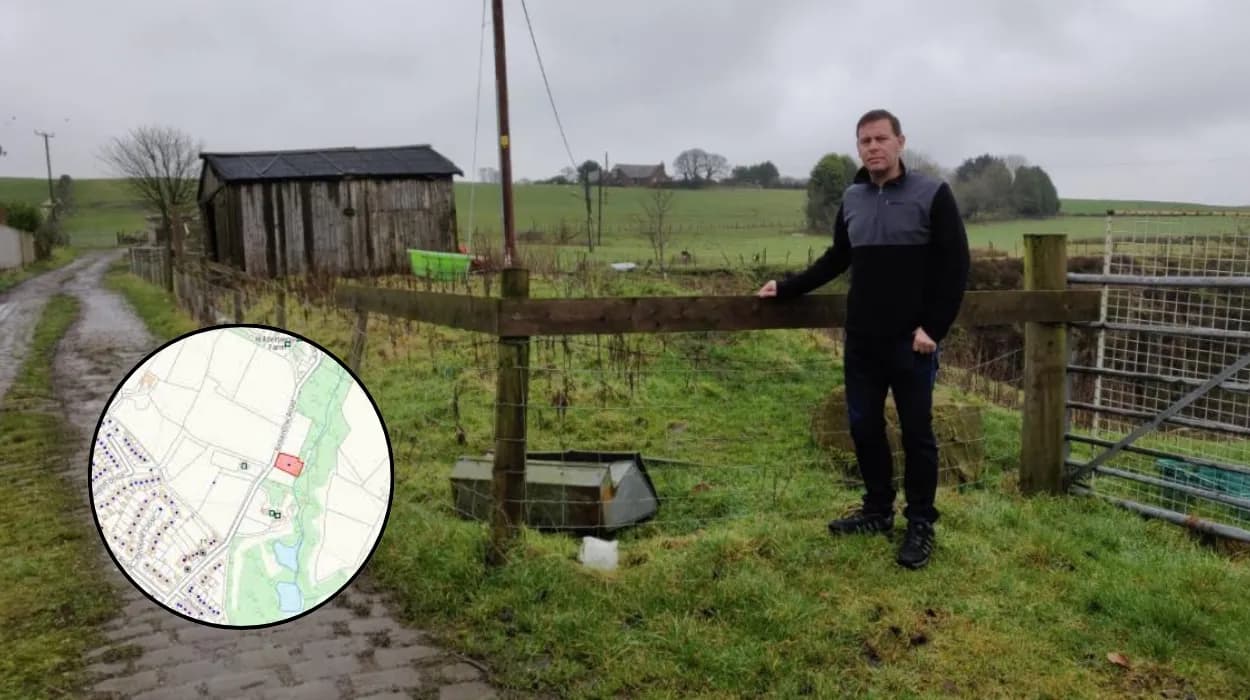
- The application sought permission "in principle" for one house on land to the north of The Mill on Brownlow Road, with part of the site within an ancient woodland area.
- KG Planning argued the area meets the definition of grey belt and is surrounded by residential properties.
- The decision was made by planners who concluded the site does not meet the criteria for grey belt status.
What Was the Proposed Development in Horwich?
As reported by The Bolton News, a planning application was submitted for permission "in principle" to build a single dwelling on green belt land to the north of The Mill on Brownlow Road in Horwich. The proposal was for a rough test of suitability before detailed plans would be drafted, a common process in the planning system to assess viability at an early stage.
Why Did Planners Reject the Application?
Planners rejected the bid, stating that the site did not meet the criteria to be classified as "grey belt" despite arguments from KG Planning. According to KG Planning, the area “meets the definition of grey belt” and is surrounded by existing residential properties, which they claimed could justify development. However, planners found that the land remains protected green belt and part of the site falls within an ancient woodland, making it unsuitable for residential development under current planning policy.
What Is the Significance of Green Belt and Grey Belt Designations?
Green belt land is protected from most forms of development to prevent urban sprawl and preserve the character of the countryside. Grey belt refers to land on the edge of urban areas that may be less protected and potentially suitable for development, but it must meet specific criteria set by local planning authorities. In this case, planners determined that the site did not meet the grey belt criteria, reinforcing the protection of green belt and ancient woodland areas.
What Did KG Planning Argue in Their Application?
KG Planning contended that the site’s location and surrounding use by residential properties justified its classification as grey belt. They argued that the land’s context and existing urban encroachment made it eligible for development, but planners disagreed, citing the need to uphold green belt protections and the presence of ancient woodland.
What Are the Implications of the Decision?
The rejection underscores the ongoing tension between development pressures and the need to protect green spaces, especially those with ecological value. It also highlights the strict interpretation of grey belt definitions by planning authorities, which can impact future development applications in similar locations. Local residents and environmental groups may view the decision as a victory for conservation, while developers could see it as a setback for urban expansion.
How Was the Decision Reported by the Media?
The Bolton News covered the story, detailing the arguments from both KG Planning and the planning authority, and quoting the specific reasons for the rejection. The coverage presented a balanced view, outlining the positions of all parties and the broader context of green belt protection.
What Does This Mean for Future Development in Horwich?
The decision sets a precedent for future planning applications in Horwich and similar areas, reinforcing the protection of green belt and ancient woodland from development unless specific criteria are met. It also signals to developers that grey belt claims will be scrutinised closely, and that environmental protections remain a key consideration in the planning process.