Key Points
- Community History Event: A special heritage film afternoon is taking place at the Horwich Heritage Centre on Tuesday, 28 July, giving local residents an opportunity to explore the rich past of Horwich.
- Featured Documentaries: The event will highlight two dedicated historic films: The Life and Times of George Fisher and Horwich in the Great War.
- Focus on Local Figures: The Life and Times of George Fisher delves into the personal memories and career of a former senior foreman and acting Works Manager at Horwich Loco Works, while Horwich in the Great War examines the First World War through the personal story of Tommy Edwards.
- Keynote Speaker: The screening session will be presented and introduced by acclaimed local historian and author Stuart Whittle.
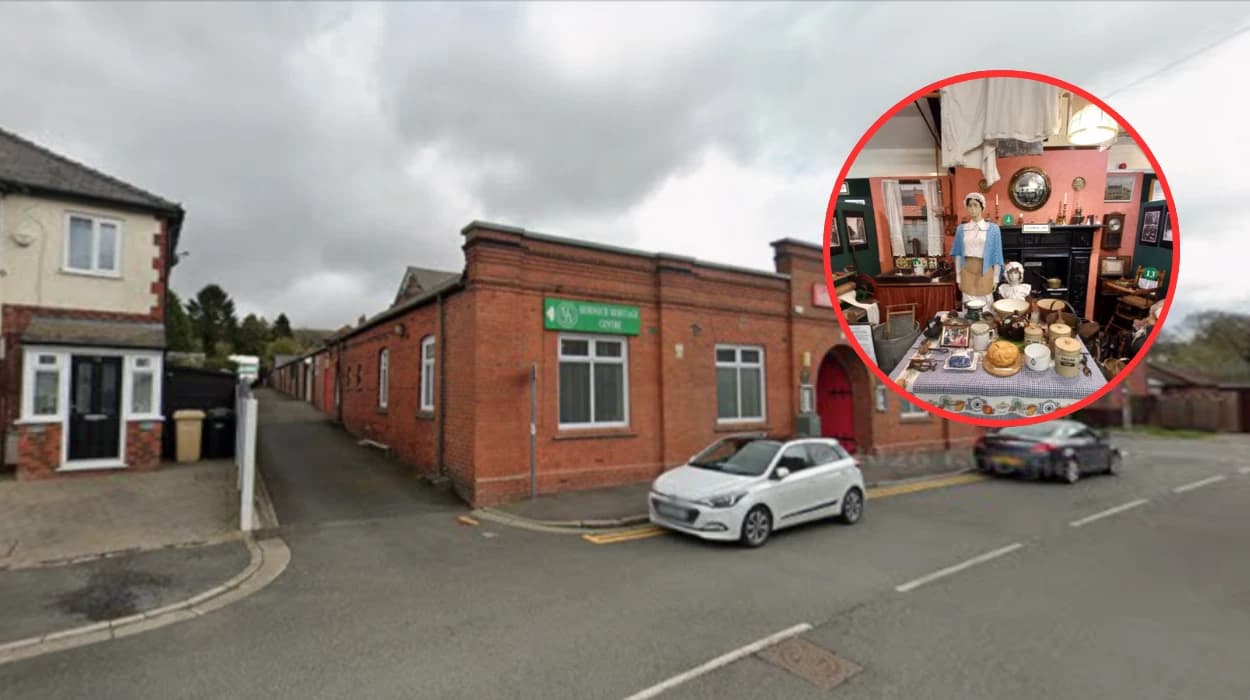
- Timing & Location: The event runs from 2:30 pm to 3:30 pm at the Horwich Heritage Centre, located on Beaumont Road, Horwich.
- Admission & Ticketing: Entry is completely free for Horwich Heritage members, whilst non-members can attend for a nominal fee of £2. No advance booking is required, and complimentary refreshments will be provided.
- Journalistic Attribution: All initial details of the upcoming cultural event were first reported by Maddie Avery, Trainee Reporter at The Bolton News.
Horwich (Bolton Today) July 22, 2026 — Residents across Bolton and the surrounding district are being invited to discover the rich industrial and wartime history of Horwich at a dedicated afternoon of heritage film screenings taking place at the Horwich Heritage Centre on Tuesday, 28 July.
As reported by Maddie Avery, Trainee Reporter for The Bolton News, the event will showcase two local historic moving-picture presentations designed to bring the town’s vibrant past back to life for long-time locals and newcomers alike. Presented by prominent local historian Stuart Whittle, the hour-long session will feature The Life and Times of George Fisher, which examines the working life of a senior figure at the famous Horwich Locomotive Works, and Horwich in the Great War, which focuses on the wartime impact on the township through the eyes of local figure Tommy Edwards.
The heritage film afternoon will run from 2:30 pm to 3:30 pm at the centre’s premises on Beaumont Road. Admission is free to all existing members of Horwich Heritage, while non-members are welcome to join for an entry fee of £2. Organisers have confirmed that refreshments will be made available to visitors, and members of the public do not need to register or book tickets in advance to secure a seat.
What Is Happening at Horwich Heritage Centre on Tuesday 28 July?
The upcoming film afternoon is structured as an accessible, community-focused historical showcase designed to engage the public with Horwich’s unique identity. Located at the Horwich Heritage Centre on Beaumont Road, the event serves as a platform to exhibit rare historical footage and recorded oral histories that might otherwise remain tucked away in local archives.
According to reporting published by Maddie Avery in The Bolton News, the initiative forms part of Horwich Heritage’s ongoing educational outreach, offering residents a rare chance to view digitized moving images that highlight the town’s transformation over the 19th and 20th centuries. The session spans exactly one hour, running between 2:30 pm and 3:30 pm, making it an ideal afternoon outing for local retirees, history enthusiasts, students, and families interested in learning about the heritage of the West Pennine Moors region.
To make the afternoon as welcoming as possible, the organizers have opted for a drop-in format with no pre-booking required. In her coverage for The Bolton News, Avery noted that visitors will also be offered complimentary refreshments during the event, encouraging community dialogue and shared recollections following the screenings.
Which Heritage Films Will Be Screened During the Event?
The afternoon’s cinematic programme features two complementary documentaries that address distinct, pivotal chapters in the social and economic evolution of Horwich: the town’s booming railway industry and its sacrifice during the First World War.
What Is 'The Life and Times of George Fisher' About?
The first film on the schedule, The Life and Times of George Fisher, centres on the career and personal recollections of George Henry Fisher, a key figure in the history of the Horwich Locomotive Works. Fisher spent decades working at the expansive railway engineering site, ultimately rising through the ranks to become a senior foreman and later serving as acting Works Manager.
As recorded in archival publications by Horwich Heritage and highlighted in reporting by Maddie Avery for The Bolton News, the film captures interviews conducted with Fisher just a month prior to his 100th birthday. The documentary incorporates rare footage of the locomotive yards alongside first-hand testimonies detailing the daily rhythms, technical crafts, and comradeship that defined life inside one of Britain’s premier railway construction hubs. Through Fisher’s eyewitness account, viewers gain an intimate perspective on how the workplace operated during its peak mid-20th-century era.
What Story Does 'Horwich in the Great War' Tell?
The second feature on the bill, Horwich in the Great War, shifts focus to the catastrophic impact of the 1914–1918 conflict on the local community. The documentary uses the individual experience of Tommy Edwards as a narrative lens through which to explore how the Great War touched every street and household in the township.
As detailed by Avery in The Bolton News, the film documents the transition of Horwich from a thriving industrial town into a community mobilised for war. Beyond the personal sacrifices of soldiers like Tommy Edwards who served on the front line, the film examines life on the home front—including the contribution of local factories to the war effort, the tragedy of local casualties, and the resilience displayed by the families left behind.
Who Is Presenting the Heritage Film Afternoon?
The session will be hosted and introduced by Stuart Whittle, one of the region’s most distinguished local historians and a founding pillar of the Horwich Heritage society.
Whittle, who has authored numerous authoritative historical texts—including 4500 Years Of Horwich History: From Stone Age to Space Age and Wallsuches And The Club Houses—has spent decades researching, preserving, and sharing the history of Bolton and its surrounding townships. His involvement guarantees attendees an expert introduction to both films, providing crucial historical context regarding the social conditions, industrial manufacturing processes, and wartime events depicted on screen.
Speaking on the broader educational mission of the society in historical records maintained by Horwich Heritage, Whittle has consistently emphasized the importance of preserving visual and oral records before they are lost to time. His live commentary during the screening will help contextualize George Fisher’s contributions to railway engineering and Tommy Edwards’ role in Horwich’s wartime legacy.
Explore More Horwich News
Former Horwich Pharmacy to Become Two Homes, Horwich 2026
Missing Lee Lane Barriers Spark Safety Fears | Bolton 2026
What Is the Historical Significance of Horwich Locomotive Works?
To fully appreciate the story of George Fisher, one must understand the central role that the Horwich Locomotive Works played in shaping the modern town of Horwich.
Opened in 1886 by the Lancashire and Yorkshire Railway (L&YR), the Horwich Works was a massive engineering complex that transformed Horwich from a modest village reliant on bleaching and textile mills into a bustling industrial powerhouse. At its height, the facility covered over 140 acres and employed thousands of skilled craftsmen, boilermakers, foundry workers, and engineers.
The works produced over 1,800 steam locomotives and repaired tens of thousands more over its nearly century-long operating lifetime. As highlighted in regional history studies by Horwich Heritage, the establishment of the works triggered a massive house-building boom, the creation of new schools, churches, and the Mechanics’ Institute, effectively laying the infrastructure for modern Horwich. When the facility finally closed its doors in December 1983 after 97 years of continuous production, it marked the end of an era—a legacy that films like The Life and Times of George Fisher actively seek to preserve.
How Did the First World War Affect the Community of Horwich?
The screening of Horwich in the Great War underscores the severe toll the 1914–1918 war took on small industrial towns across North West England.
When war broke out in August 1914, young men from Horwich enlisted in large numbers, many joining local battalions such as the Loyal North Lancashire Regiment. Concurrently, the industrial capacity of Horwich was rapidly re-tooled for military production. The Horwich Locomotive Works was adapted to manufacture artillery shells, gun carriages, and military transport equipment alongside its standard locomotive maintenance duties.
The story of Tommy Edwards, featured in the film, represents the human face of these national statistics. Local families faced severe hardships, from food rationing and anxiety over loved ones serving overseas to receiving the devastating telegrams announcing casualties. Historical records held by Horwich Heritage document that hundreds of Horwich men lost their lives during the Great War, leaving a profound social imprint on the town that was commemorated through local war memorials and community traditions that persist to this day.
Why Is Preserving Local Film Heritage Important for Bolton?
Events such as the heritage film afternoon play a crucial role in safeguarding community identity in an increasingly digital and rapidly changing world. Moving images offer a direct emotional connection to the past that written records alone cannot replicate.
By screening recorded interviews with figures like George Fisher and personal histories of soldiers like Tommy Edwards, the Horwich Heritage Centre ensures that the lived experiences of previous generations remain accessible to contemporary audiences. Local heritage initiatives foster a strong sense of place and civic pride, allowing long-standing residents to reminisce while offering newer residents insight into the working-class heritage that built their community.
As Maddie Avery concluded in her report for The Bolton News, the upcoming screening on 28 July offers a valuable, affordable opportunity for the public to connect directly with Horwich’s industrial and wartime legacy through the compelling medium of historical film.