Key Points
- Prolonged Custodial Sentence Imposed: Rogue builder Patrick Damien Hartley, 51, from Weir, Rossendale, received a three-year-and-nine-month custodial sentence at Preston Crown Court after being prosecuted in a criminal case by Trading Standards.
- Wide-sweeping Geographic Reach: Hartley committed fraud against 13 houses across Lancashire and Greater Manchester over 30 months, covering areas such as Bolton, Bury, Oldham, Bacup, Rawtenstall, Tameside, Sale, and Stockport.
- Enormous Monetary Losses Suffered: Homeowners remitted over £700,000 directly to Hartley, while the total loss amounted to nearly £1 million due to the cost of fixing the remedial works and finishing the incomplete projects.
- Video and Photograph Evidence of Extensive Damage: Released videos by the Trading Standards department of Lancashire County Council showed serious structural faults such as roofless extensions, severe leakages, unsafe structures, and dumped construction materials.
- Greatly Affected Emotionally and Psychologically: Victims experienced broken relationships, clinical depression, extreme stress, lost job opportunities, and bitter disputes between neighbors due to the half-done and dangerous sites.
- Strict Restrictions and Recovery of Assets: Hartley was bound under a seven-year Criminal Behaviour Order (CBO) restricting him from operating any building businesses, with Proceeds of Crime Act (POCA) action initiated to recover the funds.
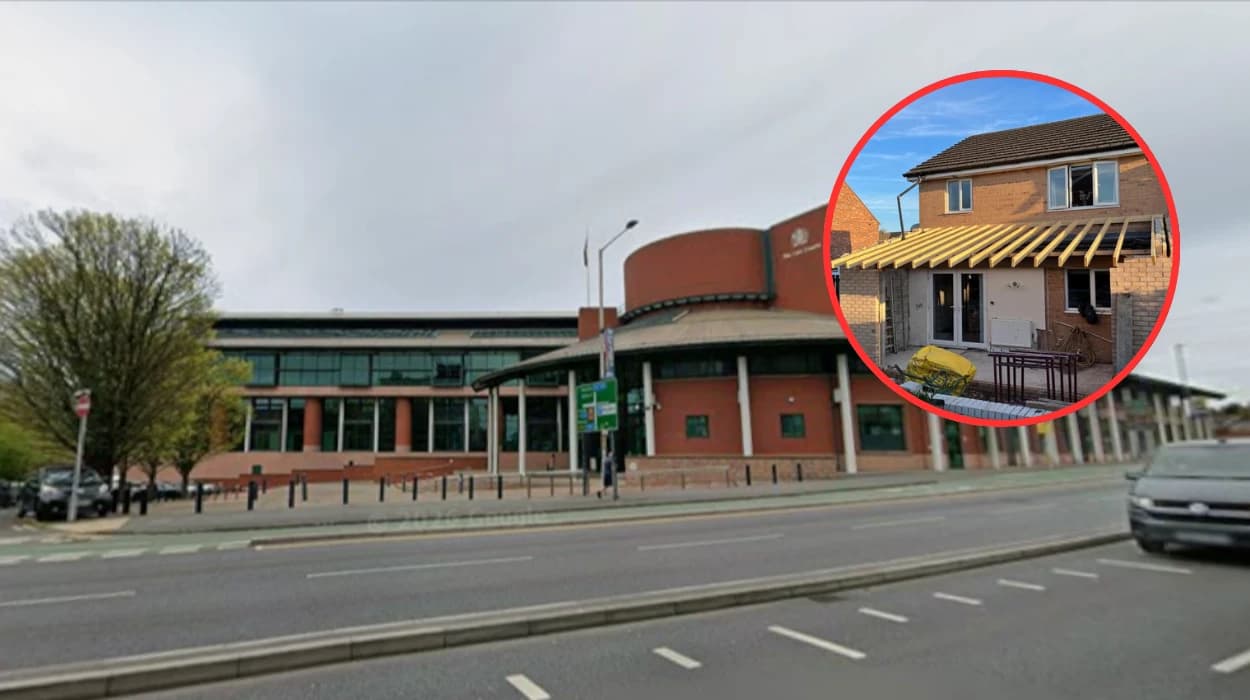
Bolton (Bolton Today) September 2, 2026 - Shocking photographic and video evidence released by trading standards investigators has exposed the devastating wake of substandard construction, severe structural danger, and financial ruin left by a rogue builder who scammed families out of nearly £1 million. Patrick Damien Hartley, 51, of Weir, Rossendale, was sentenced to three years and nine months in prison at Preston Crown Court after pleading guilty to fraudulent trading practices across Lancashire and Greater Manchester. The damning visual records released by law enforcement detail stripped roofs, flooded living quarters, precarious internal supports, and completely abandoned construction sites left open to the elements.
Over a 30-month period, Hartley—known locally as "Paddy"—systematically targeted households across a broad geographic footprint, taking on lucrative contracts in Bolton, Bury, Oldham, Bacup, Rawtenstall, Tameside, Sale, and Stockport. Prosecuting authorities revealed that while victims paid Hartley approximately £700,000 directly for his services, the true cost incurred by families surpassed £1 million after factoring in emergency structural repairs and hiring reputable contractors to render homes habitable.
Presiding over the court, Judge Andrew Jefferies highlighted the tragic human impact behind the financial figures, observing that the fallout extended far beyond the 13 named customer accounts to harm entire family units. As reported by reporter Nat Goodlad of The Bolton News, Judge Jefferies noted during sentencing that victim impact statements painted a harrowing picture of mental health crises, relationship breakdowns, missing work due to severe stress, and bitter disputes with neighbors stemming from open, hazardous building works.
Following his custodial sentence, Hartley was placed under a strict seven-year Criminal Behaviour Order (CBO) designed to restrict his business operations and protect the public from future harm. Furthermore, financial investigators from Lancashire County Council Trading Standards have launched formal enforcement proceedings under the Proceeds of Crime Act (POCA) to evaluate Hartley's assets and attempt recovery of the misappropriated funds for his victims.
What Footage was Released by Lancashire County Council Trading Standards?
The visual evidence made public by Lancashire County Council Trading Standards provides an undeniable, detailed record of Hartley’s shoddy workmanship and abandoned promises. As detailed by reporter Nat Goodlad of The Bolton News, photos and video clips captured across various residential sites reveal severe structural oversights that compromised the physical integrity of multiple homes.
In one highlighted case involving homeowner Joanne Day, interior photography shows metal support props left standing in the center of her kitchen. The steel jacks were situated directly where countertops and work surfaces were scheduled to be installed, rendering the central living and cooking area completely unusable. Additional images from Day's property feature an uneven, partially laid floor littered with leftover dust sheets and a solitary stool abandoned by Hartley when he ceased showing up to the site.
Visual evidence gathered from the home of Gary Murday illustrates severe exterior and plumbing flaws. Exterior photographs depict an extension entirely lacking a roof structure or protective weather doors, leaving unfinished brickwork exposed to the elements alongside piles of abandoned bricks and discarded window frames cluttering the garden. Internally, Murday’s house suffered from incomplete masonry with massive gaps in exterior walls, alongside a waste pipe that Hartley failed to cap or extract, allowing wastewater to leak directly beneath the flooring.
Further evidence detailing the extent of the damage includes footage from Ian Glynn’s residence, where water streamed through the ceiling due to an improperly sealed overhead structure. A video clip shows household saucepans arranged across the kitchen counter in a futile attempt to catch dripping water, leaving worktops heavily soaked and warped. Ceiling structures inside Glynn's home were recorded with large cracks held up by temporary props, while video footage captures howling wind rushing through an upper floor where the primary roof had been entirely removed, leaving only temporary tarpaulins to shield the interior from incoming storms.
At the property of Wellington Tsang, photographs demonstrate crumbling exterior brickwork alongside a partially completed roof structure. Hartley left a gaping hole in Tsang's ceiling, exposing the living space underneath to weather damage without any protective insulation or structural barrier. Additional video coverage from the residence of Lisa Trotman showcases dumped materials scattered across the grounds surrounding an extension left without roofing, where trading standards officials noted that virtually no constructive progress had been made despite substantial money changing hands.
Explore More Bolton Crime News
Kye Harrison Jailed Over Vicious Stabbing Attack in Bolton 2026
Dealer Karl Lunn Caught Selling Class A Drugs at Bolton Stadium 2026
How Did the Scheme Function Across Lancashire and Greater Manchester?
As reported by reporter Nat Goodlad of The Bolton News, the court heard how Patrick Damien Hartley systematically operated across multiple local authority boundaries to acquire high-value domestic contracts. Operating under his trading identity, Hartley solicited projects valued at tens of thousands of pounds per job, assuring homeowners that extensions, roofing overhauls, and internal structural reconfigurations would be executed professionally and within agreed timelines.
However, prosecutor testimony at Preston Crown Court demonstrated a clear pattern of behavior: Hartley regularly accepted large advance payments and progress installments before halting work entirely, producing substandard construction, or offering repetitive false excuses regarding delayed completion schedules. Over 30 months, he took on new assignments despite possessing neither the manpower nor the financial solvency to complete ongoing projects.
The geography of Hartley’s fraudulent trading spanned urban and sub-urban districts across North West England, directly targeting residential properties in:
- Bolton: Residential extensions left open to rain damage and structural instability.
- Bury & Oldham: Substandard brickwork, abandoned sites, and incomplete roof replacements.
- Rossendale (Bacup & Rawtenstall): Localized operations involving significant advance deposits with little to no work completed.
- Tameside, Sale, & Stockport: Extensive home modification sites left hazardous and exposed to extreme weather.
Financial assessments presented in court highlighted that while the direct payments tendered to Hartley totaled £700,000, the compounding fallout doubled the overall financial hit. Homeowners were forced to hire structural engineers, clear discarded construction debris, install emergency weatherproofing, and hire alternative trade professionals at inflated current-market rates to salvage their properties.
What Remarks were Delivered by the Judge at Preston Crown Court?
During the sentencing hearing at Preston Crown Court Sessions House, Judge Andrew Jefferies addressed Hartley directly regarding the scope and nature of his criminal operations. As reported by reporter Nat Goodlad of The Bolton News, Judge Jefferies emphasized that the case was defined by widespread substandard workmanship, abandoned commitments, and systemic deceit calculated to keep payments flowing from clients.
Judge Jefferies explained that while Hartley initially encountered genuine operational overextension and personal financial problems, his actions quickly crossed into deliberate criminality. Rather than pausing operations to rectify existing deficiencies, Hartley actively solicited new contracts and accepted substantial cash sums from unsuspecting clients, fully aware that he lacked the resources or capacity to finish his existing commitments.
The judge stressed the human cost of the crime, asserting that the true impact of Hartley's conduct could not be measured by financial accounting alone. Judge Jefferies highlighted that entire families were forced to endure living in unfinished, freezing, and dangerous structures, often over prolonged periods.
Elaborating on the victim impact statements submitted to the court, Judge Jefferies drew attention to the non-financial damage inflicted on homeowners, citing:
- Severe Mental Health Struggles: Multiple victims developed clinical depression and anxiety requiring medical intervention as their homes were rendered uninhabitable.
- Domestic and Relationship Stress: The chronic strain of living in building sites and facing financial ruin led directly to martial breakdowns and family separations.
- Disruption to Employment: Homeowners reported taking extended unpaid leave or missing career opportunities to deal with site emergencies and tradesperson disputes.
- Community and Neighbor Friction: Unattended, unsightly, and hazardous building sites caused significant strain and formal disputes between victims and their immediate neighbors.
What Legal Restrictions and Recovery Mechanisms Apply Moving Forward?
Beyond his three-year and nine-month custodial sentence, Patrick Damien Hartley is subject to strict legal controls designed to protect property owners upon his eventual release. As reported by reporter Nat Goodlad of The Bolton News, the court issued a seven-year Criminal Behaviour Order (CBO) against Hartley.
Under the specific terms of the CBO, Hartley is strictly prohibited from directly or indirectly undertaking any management, executive, or ownership functions connected to building or construction operations. While the order does not legally bar him from gaining employment as a basic laborer or trade hand under the direct supervision of another legitimate employer, it effectively strips him of the authority to quote for jobs, accept client deposits, run a construction firm, or execute customer agreements in his own right.
Simultaneously, financial investigators from Lancashire County Council Trading Standards have initiated an investigation under the Proceeds of Crime Act (POCA). This legal mechanism allows law enforcement agencies to audit Hartley's financial histories, identify assets purchased using the proceeds of crime, and force the liquidation of property, vehicles, or bank accounts.
Any funds recovered through the POCA process will be directed toward compensating the 13 families whose properties were damaged and whose life savings were depleted during Hartley's 30-month fraudulent run across Greater Manchester and Lancashire.