Key Points
- The Woodland Trust has completed a series of works to enhance accessibility at the historic 1,700-acre Smithills Estate near Bolton, making it more welcoming for local residents and visitors.
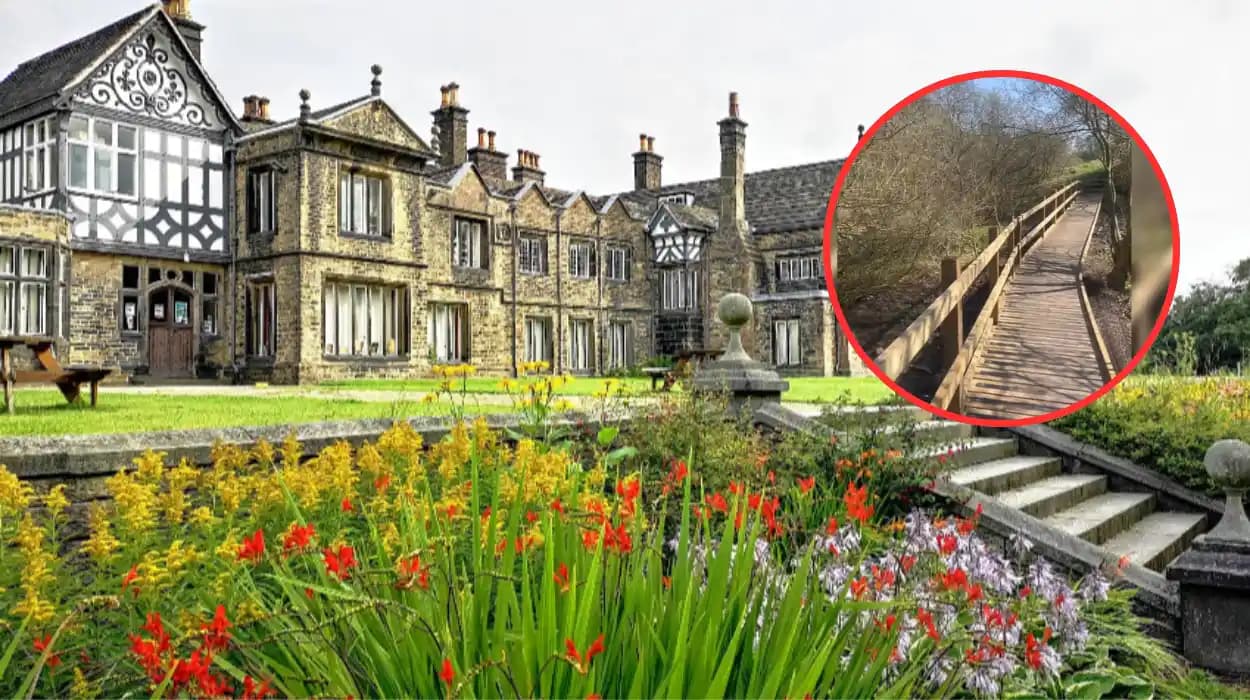
- New pathways, boardwalks, and flagged moorland paths have been installed, including a boardwalk with handrails along the public right of way from Walker Fold Road to the Green Bridge.
- Funding support has come from Veolia Environmental Trust, enabling path works and track improvements to open up more of the estate.
- The estate features diverse routes mixing footpaths, restricted byways, surfaced and unsurfaced paths, with upgrades aimed at broader public access.
- Ongoing efforts include tree planting (130,000 trees so far by volunteers), buffering ancient woodland, and creating habitat corridors for wildlife.
- Smithills Estate, the largest site acquired by the Woodland Trust, is steeped in history from prehistoric times to industrial eras, shadowed by Winter Hill TV Tower.
- A site access plan is being developed, with partnerships involving Bolton Council for further path reinstallations and improvements.
- Popular walks like the 9km Smithills History Walk over Winter Hill highlight the area's rich heritage, taking 4-5 hours to complete.
Bolton (Bolton Today) April 28, 2026 - The Woodland Trust has finalised major accessibility enhancements at the historic Smithills Estate, opening up new pathways for Bolton residents to explore this 1,700-acre gem. These improvements, funded in part by Veolia Environmental Trust, include boardwalks, handrails, and flagged paths, transforming previously challenging terrains into welcoming routes for walkers of varying abilities.
What improvements have been made to Smithills Estate paths?
Upgrades focus on diverse routes within the estate, blending footpaths with restricted byways that are now better surfaced and free from obstructions. As detailed on the Woodland Trust's visiting woods page,
"We have upgraded and increased the accessibility of paths across the site, including flagging moorland paths."
A standout addition is the new boardwalk with handrails along the public right of way from Walker Fold Road to the Green Bridge, as highlighted in a recent Yahoo UK News article.
Bolton Council is partnering with the Woodland Trust to reinstall this boardwalk, ensuring safer passage over wetter areas. According to a Facebook post from Woodland Trust Smithills Estate,
"Their team are also working to reinstall the boardwalk along the public right of way from Walker Fold Road to the Green Bridge."
These changes stem from a comprehensive site access plan currently in development, prioritising public enjoyment alongside conservation.
Who funded these accessibility works?
Veolia Environmental Trust provided crucial funding that "enabled us to open up quite a bit more of the estate," as stated by Woodland Trust representatives on their official site.
"It will help us help more people to access the estate because we are using it for path works and tracks."
This support aligns with the Northern Forest Project, showcased in a YouTube video titled "Smithills access and pathway improvements," which credits Veolia for partnership efforts.
Local volunteers have complemented these funds by planting 130,000 trees, as noted on Visit Bolton's listing for Woodland Trust - Smithills Estate.
"Many aspects of Smithills Estate are being restored and revitalised for people and nature, with 130,000 trees planted so far by local volunteers alongside other habitat improvements."
Such investments ensure long-term sustainability for both visitors and wildlife.
Why is Smithills Estate historically significant?
Smithills Estate spans 1,700 acres, marking it as the Woodland Trust's largest acquisition, rich in layers from prehistoric settlements to 18th- and 19th-century industrial and agricultural revolutions. The Woodland Trust describes it as "steeped in history and shadowed by the famous Winter Hill TV Tower." Nearby Smithills Hall, a splendid historic structure open Wednesdays, Thursdays, Fridays, and Sundays, adds to the allure, as recounted by walker David Pendleton in his Half-Day Walker blog:
"Having started out early, I was able to sit on a bench and enjoy my lunch by the side of the splendid Smithills Hall."
The estate's paths reveal remnants like tall brick chimneys from former mills and wooded valleys, offering glimpses into Bolton's industrial past. Pendleton further notes,
"A tall brick chimney provides an easy direction indicator. Emerging by the chimney, there are some attractive modern houses, presumably built on the site of a former mill."
This heritage draws history buffs eager to trace the area's evolution.
How will these changes benefit local residents?
Bolton residents gain easier access to nature, with improved paths meaning "more people can come and enjoy it," per Woodland Trust statements.
"So having better access means that more local people will be able to come to Smithills and enjoy everything that Smithills has to offer."
The works address previous barriers like unsurfaced tracks and moorland challenges, fostering inclusive outdoor recreation.
As reported in The Bolton News article linked in the query, these enhancements directly target accessibility for the public, building on volunteer tree-planting drives. The Northern Forest case study emphasises connectivity:
"Creating a continuous corridor from the top to the bottom of the site, while connecting the existing woodland areas with new planting and hedgerows."
Residents can now explore without specialised gear in key areas, boosting health and community ties.
What walks and activities are available?
The Smithills History Walk, a 9km (6-mile) route over Winter Hill, offers insights into the estate's past and takes 4-5 hours, requiring waterproofs and boots. Woodland Trust recommends it as "a must for history buffs." Shorter strolls from Barrow Bridge to Smithills Hall via riverside paths provide hidden gems, as Pendleton describes:
"I found my way between the houses to join another hidden gem of a path tucked between the river and a busy main road."
Diverse options include steep paths to Sheep House Farm and laneside walks past rebuilt walls and bridged cottages. "The cottages to the left are all accessed by individual bridges over the water," Pendleton observes. With 8-mile circuits completable in 3.5 hours plus lunch, the estate suits various fitness levels, highly recommended for its flexibility.
What environmental gains come from the project?
Tree planting buffers ancient woodland and enhances wildlife corridors by linking fragments, with 30,000 more trees planned next year. The Northern Forest case study explains,
"The new trees will buffer ancient woodland and improve landscape connectivity for wildlife by joining up woodland fragments."
A broadleaf mix in lower areas transitions to scrubby heathland higher up, boosting genetic diversity and disease resistance.
This creates a "great wood" for free wildlife movement, increasing biodiversity and habitat structure.
"This not only increases biodiversity within the habitat but also allows for disease resistance to be retained and increased in the existing woodland blocks, reducing the impact of pests and disease,"
The case study adds. Targeted planting ensures species thrive in elevation-specific zones.
Who is involved in ongoing developments?
The Woodland Trust leads, collaborating with Bolton Council on path reinstallations and Veolia for funding. Visit Bolton underscores volunteer roles: "130,000 trees planted so far by local volunteers." A site access plan guides future works, promising sustained improvements.
As per the Woodland Trust's Smithills page, routes remain varied post-upgrades, with restricted byways prioritised for surfacing. Community input shapes the access plan, ensuring paths meet public needs while preserving ecology.
When can the public start using the new paths?
Works are complete, with immediate access to upgraded routes like the Walker Fold Road boardwalk. The Bolton News coverage confirms availability now, aligning with spring 2026 timing. Ongoing tree planting and plan implementation suggest continuous enhancements, but core paths are open.
Safety features like handrails invite prompt use, weather permitting. Families and walkers can plan visits, checking Woodland Trust updates for any temporary closures during final tweaks.