Key Points
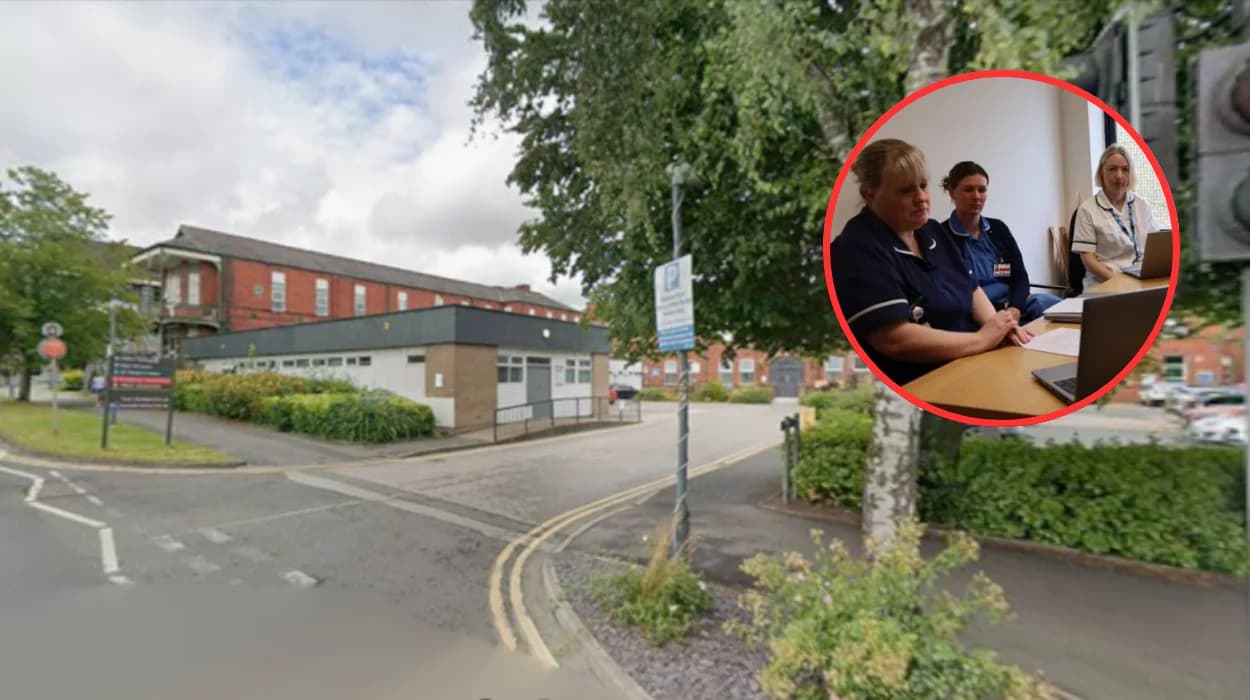
- Bolton NHS Foundation Trust has praised its admin and clerical staff for the essential work they do behind the scenes to keep services running smoothly.
- The trust said these teams help patients get the right care at the right time by handling calls, managing schedules and booking appointments.
- The work was highlighted during Administrative Professionals Day, observed on Wednesday 24 April in the source article.
- Rae Wheatcroft, Chief Operating Officer at Bolton NHS Foundation Trust, said admin staff are the “driving force” that keeps the organisation going.
- The trust said admin teams handle more than 150,000 calls to book and reschedule appointments and manage up to 45,000 sets of case notes each month.
- Nicola Ferguson, Operational Business Manager for Obstetrics and Gynaecology, also praised the teams in the trust’s report.
- The Bolton News story is about recognition for the unsung workforce that keeps patient services organised, efficient and on schedule.
Bolton (Bolton Today) May 6, 2026 - Bolton NHS Foundation Trust has praised its admin and clerical staff for the vital behind-the-scenes work they do to keep patient services moving, with leaders saying the teams deserve greater recognition for the role they play every day.
The trust said the staff, who handle calls, manage schedules and book appointments, are central to making sure patients receive the right care at the right time. Their contribution was highlighted as part of Administrative Professionals Day, with the message that these workers are often the backbone of the organisation even if they are rarely seen by patients.
As reported by the trust and published by The Bolton News, Rae Wheatcroft, Chief Operating Officer at Bolton NHS Foundation Trust, said the week was “a perfect opportunity” to thank admin staff for their work. She said receptionists, booking teams, secretaries, business support teams, personal assistants and switchboard operators are the “driving force” that keeps the organisation going, and warned against underestimating the difference they make.
Why are admin staff so important?
The trust said admin teams support patients throughout their health journeys by making sure appointments are arranged, records are handled properly and services stay organised. According to the trust, those teams deal with more than 150,000 calls each month to book and reschedule appointments. They also process up to 45,000 sets of case notes every month, a workload that shows how much of the NHS’s day-to-day operation depends on invisible administrative work.
That practical role matters because delays or mistakes in administration can affect how quickly patients move through clinics, diagnostics and treatment pathways. By keeping systems running in order, admin workers help clinical staff focus on direct patient care while the wider service remains efficient.
What did the trust say?
The Bolton NHS Foundation Trust article framed admin and clerical staff as essential rather than the supporting cast. It said their work ensures everything is “lined up” so patients can receive care when they need it. The trust’s language made clear that administrative work is not peripheral to healthcare but a core part of how the service functions.
The article also quoted Nicola Ferguson, Operational Business Manager for Obstetrics and Gynaecology, who spoke in support of the staff. Her remarks formed part of a wider acknowledgement that admin workers often manage pressure quietly while keeping services dependable for patients and clinicians alike.
What was the focus of the story?
The central message of the story is appreciation. Rather than focusing on a major policy shift or crisis, the coverage recognises the people whose work keeps the NHS moving every day. The Bolton News piece reflects a broader theme often found in local health reporting: the most important staff are not always the most visible.
The story also underlines the scale of administrative responsibility inside the trust. The figures on calls and case notes were included to show that the job is substantial, demanding and integral to patient flow. That context gives the praise real weight, because it links recognition to measurable workload rather than general appreciation alone.
How does this affect patients?
Patients may not always see admin teams, but they feel the impact of their work through smoother booking systems, fewer delays and better coordination. The trust’s message suggests that strong administration helps create a better experience from the first phone call to follow-up care. In practical terms, these teams help reduce confusion and support the continuity of treatment.
The story also highlights how much of healthcare depends on coordination behind the scenes. When appointments are managed properly and notes are handled efficiently, clinical teams can work with better information and patients are more likely to move through services without unnecessary disruption.
What is the wider significance?
The recognition of admin staff comes at a time when NHS services continue to depend heavily on stretched teams across both clinical and non-clinical roles. By singling out these workers, the trust is reinforcing the idea that effective healthcare is a team effort. The article also serves as a reminder that public praise can help bring attention to roles that are essential but often overlooked.
As presented by The Bolton News, the story is less about a single event and more about the culture of appreciation within the trust. It places administrative workers in the spotlight for a day, but the underlying point is that their contribution is constant, measurable and fundamental to patient care.