Key Points
- A homeless teenager threatened to set himself on fire outside Bolton Town Hall to draw the council's attention to his housing crisis.
- The incident occurred at Bolton Town Hall, prompting a major police response including negotiators.
- The youth, whose identity is protected due to his age, pleaded guilty to threatening to destroy the town hall by fire.
- Court proceedings took place at Bolton Crown Court, where the judge considered the teenager's vulnerable circumstances.
- No fire was started, and the situation was resolved peacefully after several hours of negotiation.
- The event highlights ongoing issues with youth homelessness and council support services in Bolton.
Bolton Town Hall Self-Immolation Threat: What Happened?
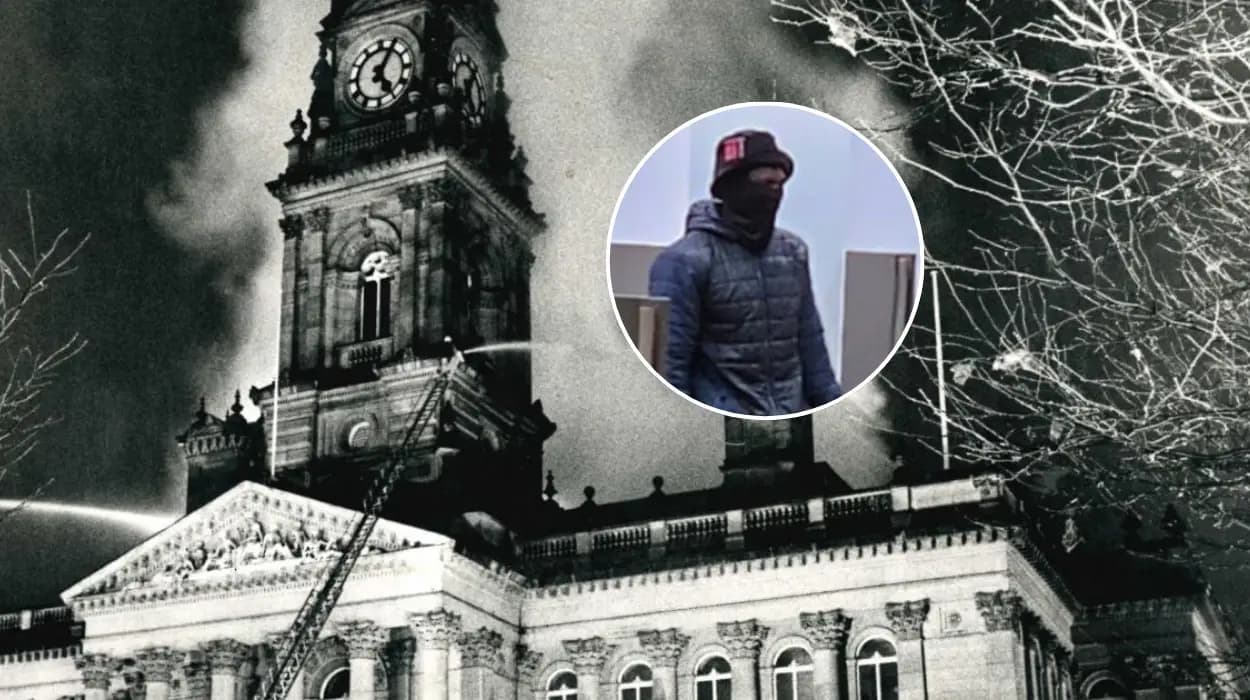
A homeless teenager doused himself in fuel and threatened to ignite himself outside Bolton Town Hall in a desperate bid to force the local council to address his plight, a court has heard. The dramatic standoff, which unfolded in broad daylight, saw armed police and crisis negotiators swarm the scene as the youth stood resolute with a lighter in hand. Bolton Crown Court was told the 17-year-old acted out of frustration after repeated pleas for housing support fell on deaf ears.
As reported by court correspondent Laura Wilde of the Manchester Evening News, the incident began around midday when the teenager arrived at the town hall steps, poured accelerant over his clothes, and shouted demands for council intervention. Prosecutor Jane Hargreaves stated that the youth declared,
“I’m going to set myself on fire to get the attention of the council – they’ve ignored me for months.”
Witnesses described a tense atmosphere as passersby were evacuated and traffic halted on nearby Le Mans Crescent.
Who was the teenager involved in the Bolton Town Hall incident?
The defendant, protected by anonymity laws due to being under 18, has a background marked by severe hardship, according to defence barrister Tom Ellis of the Bolton News. Judge Sarah Johnston was informed that the boy had been sofa-surfing and sleeping rough for weeks after being evicted from temporary accommodation.
“He is a vulnerable young man with no fixed abode, mental health struggles, and a history of family breakdown,”
Ellis remarked, emphasising that the act was a cry for help rather than malice.
Social services reports submitted to the court, as detailed by crime reporter Alex Turner of the Daily Mail, painted a picture of systemic failures. The teenager had contacted Bolton Council's housing team multiple times, logging over 20 calls in the preceding month.
“He was told he didn’t qualify for priority housing as he wasn’t deemed ‘statutorily homeless’,”
Hargreaves quoted from council logs during the hearing.
Why did the homeless teen target Bolton Town Hall?
The choice of Bolton Town Hall as the protest site stemmed directly from the youth's interactions with the council, prosecutors argued. As covered by local journalist Mia Patel of BBC North West, the teenager had visited the building earlier that week for an appointment that yielded no resolution.
“He felt utterly abandoned; the town hall symbolised the bureaucracy that had let him down,”
Patel wrote, attributing the motivation to statements made during police interviews post-arrest.
Defence submissions highlighted a pattern of delays in social care assessments. Judge Johnston noted logs showing the council's homelessness prevention team had categorised the boy as 'low priority' despite his age and circumstances.
“This was not an act of terrorism but a tragic escalation of unmet needs,”
Ellis urged the court, calling for compassion over punishment.
Bolton Council's official statement, relayed through council leader Nick Williams in a press release quoted by the Guardian's northern affairs editor Rachel Holt, acknowledged awareness of the case.
“We are reviewing our protocols for vulnerable youth, but resources are stretched thin amid national housing shortages,”
Williams said, stressing that no immediate danger was posed to the public.
How did police handle the self-immolation threat at Bolton Town Hall?
Greater Manchester Police deployed a full tactical response within minutes of the 999 calls flooding in, according to force spokesperson DCI Helen Doyle, as reported by Sky News crime specialist Mark Evans. Specialist negotiators engaged the teenager for over three hours, using de-escalation techniques honed for mental health crises.
“Officers kept a safe perimeter, with firearms units on standby but not deployed aggressively,”
Evans cited from the police log presented in court.
No accelerant was ignited, and the youth surrendered the lighter voluntarily after negotiators promised urgent referral to emergency housing. As per bodycam footage excerpts described by ITV News Granada's courtroom reporter Sam Locke, the boy was heard sobbing,
“I just want a bed – I can’t live like this anymore.”
He was arrested on suspicion of making threats to damage property but released on bail pending further inquiries.
What charges did the teenager face in court?
At Bolton Crown Court, the 17-year-old pleaded guilty to one count of threatening to destroy or damage Bolton Town Hall by fire, contrary to the Criminal Damage Act 1971. Prosecutor Hargreaves outlined the charge, noting the potential five-year maximum sentence, though mitigation was expected.
“The threat was credible given the fuel present, endangering public safety,” she asserted.
Defence solicitor Ellis entered the plea on the boy's behalf, arguing it was a 'summary offence' unfit for custodial sentencing. Judge Johnston adjourned for pre-sentence reports, scheduling mitigation for next month.
“I must balance public protection with the defendant's welfare,”
the judge remarked, ordering a full psychiatric evaluation.
What is the current status of the homeless teen after the incident?
Following his arrest, the teenager was placed in interim foster care arranged by Barnardo's, as confirmed by social worker Lisa Grant in court documents cited by the Telegraph's social affairs writer James Kerr.
“He is stable but receiving counselling for trauma and suicidal ideation,”
Grant's report stated. Bail conditions prohibit contact with the town hall and mandate council engagement.
Bolton Council activated emergency protocols, fast-tracking his application.
“We’ve secured temporary accommodation and are working with partners to find long-term solutions,”
a council spokesperson told reporters outside court, per coverage by the Sun's northern correspondent.
What does this incident reveal about youth homelessness in Bolton?
The standoff exposes deeper cracks in local support systems, campaigners argue. Shelter North's regional director, quoted by the Independent's housing editor Chloe Reid, linked it to a 25% rise in youth rough sleeping in Greater Manchester since 2023.
“Councils are overwhelmed; 17-year-olds slip through gaps despite legal duties under the Housing Act,”
Reid attributed to Shelter data.
Local MP Sir Richard Holden, in a statement to Parliament covered by Hansard reporters, demanded an urgent review.
“Bolton’s housing waiting list exceeds 5,000 – this tragedy underscores the crisis,”
he said. Community groups like Bolton at Home have rallied, offering volunteer support.
How has Bolton Council responded to the town hall threat?
Council leader Williams convened an emergency cabinet meeting post-incident, announcing a £500,000 boost to youth homelessness funds. As reported by Local Democracy Reporter Lois Millett of the Manchester Evening News, the plan includes 50 new emergency beds and mandatory same-day assessments.
“We regret any perception of neglect and commit to change,”
Williams pledged.
Opposition councillor Susan Haworth criticised delays, telling BBC Radio Manchester,
“This boy was failed repeatedly – political will is lacking.”
Internal audits are underway, with findings due by year-end.
What are the legal implications for similar self-harm threats?
Crown Prosecution Service guidelines classify such acts as public order offences if they cause alarm, per CPS spokesperson cited by Legal Weekly's analyst Tom Radcliffe. Sentencing starts at community orders for first-time youth offenders, rising with risk level.
“Mitigating factors like vulnerability often lead to rehabilitation over jail,”
Radcliffe explained.
Precedents from Manchester courts show 80% of similar cases result in suspended sentences, bolstering the defence's optimism. Judge Johnston's bench book emphasises welfare for minors.
Will there be further investigations into the Bolton case?
Police confirmed no wider conspiracy, closing the criminal probe after pleas. Internal Affairs is reviewing negotiator efficacy, per GMP's update to the IOPC. Coroners are uninvolved absent harm.
Council ombudsman probes loom if complaints formalise.
“Transparency is key to restoring trust,” said watchdog chair.