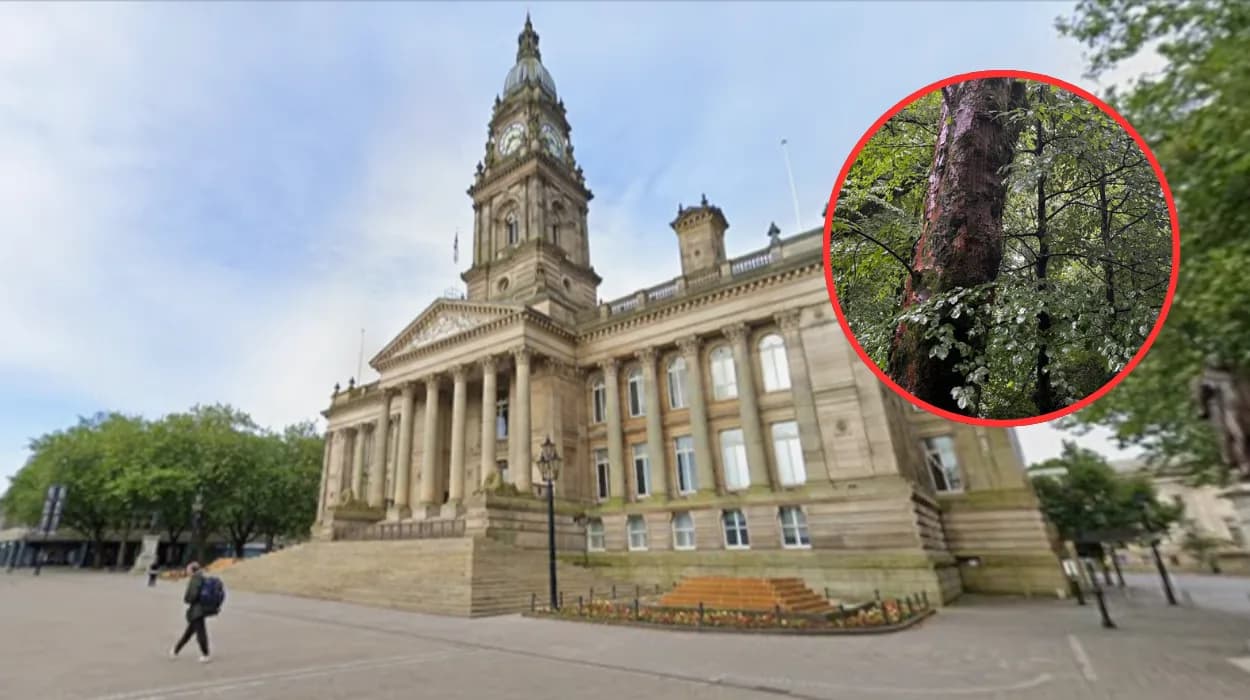
Key Points
- Findings from the Safety Survey: In the course of the extensive tree safety survey carried out at Smithills, Bolton, it has been found that two large and mature trees are extremely structurally unstable, indicating that they represent an "unacceptable" hazard to the general public.
- Need for Widespread Felling: In order to ensure the safe felling of the hazardous trees, the local forestry departments and landowners will have to fell many other trees around the hazardous specimens to allow entry of heavy equipment without causing additional hazards.
- Safety Measures: While the felling and logging operations are underway, temporary closure of pathways will be enforced to prevent any harm to the general public in the Smithills woodland.
- Ecological Measures: The local ecologists are considering the possibility of keeping dead wood wherever feasible to ensure biodiversity. They are also working on possible tree planting plans.
- Implications for the Council and Community: Local authorities wish to clarify that decisions regarding the removal of trees are taken for the safety of the public, weighing both environmental conservation and risks associated with liability in public footpaths.
Bolton (Bolton Today) September 2, 2026 - Dozens of mature trees are slated for felling across popular woodland in the Smithills area of Bolton following a comprehensive arboreal risk assessment that identified severe safety hazards. The decisive management action was triggered after an extensive expert survey highlighted that two specific trees had deteriorated to a condition posing an "unacceptable" risk of harm to members of the public utilizing adjacent footpaths and recreation areas.
To facilitate the safe extraction of the damaged timber and ensure surrounding stands remain structurally sound during operations, forestry teams must clear dozens of neighbouring trees. Local council officials and woodland managers have confirmed that while tree removal is always a measure of last resort, the immediate threat to public safety left operational authorities with no alternative options under current UK health and safety regulations.
Why are dozens of trees being felled in Bolton woodland?
As reported by reporter Isobel Forbes of The Bolton News, a detailed environmental and tree safety inspection concluded that at least two substantial trees within the designated woodland zone presented an immediate and "unacceptable" threat of collapse or heavy branch failure. Due to the location of the dangerous timber near heavily frequented public thoroughfares, immediate felling operations were deemed necessary to prevent potential injury or loss of life.
The decision to fell extended groups of trees beyond the two primary hazards stems from logistical and silvicultural necessities. Modern arboricultural standards require establishing safe work zones and clear access corridors for heavy logging machinery. Removing surrounding compromised or overcrowding trees minimizes the risk of unbalancing the local canopy structure and prevents subsequent storm damage once the initial shelter belt is opened up.
What did the official safety survey reveal about the woodland risks?
As reported by reporter Isobel Forbes of The Bolton News, the formal safety evaluation revealed critical structural defects within the affected arboreal stands. Arborists conducting the survey monitored physical degradation, decay fungi, and root system instability before formally classifying two prominent specimens as presenting an "unacceptable" risk level to visitors.
According to technical guidelines established by the UK Health and Safety Executive (HSE) and the Arboricultural Association, trees situated alongside public rights of way, residential boundaries, or recreational footpaths are subject to rigorous duty-of-care standards. When an inspection determines that risk mitigation techniques—such as crown reduction or targeted pruning—are insufficient to stabilize a tree, complete removal becomes mandatory under municipal safety codes.
Explore More Bolton Council News
Bolton Council Disputes Sickness Data as UNISON Warns on Workers' Rights, Bolton 2026
Why Bolton Wheelie Bins Are Not Being Collected: Bolton 2026
How will the tree felling affect public access and local footpaths?
During the active phase of the logging work, sections of the Smithills woodland will experience temporary restrictions and controlled closures. Local land managers are establishing clear safety perimeters, hazard signage, and temporary diversions along popular walking trails to protect hikers, dog walkers, and cyclists from falling debris and operating machinery.
Work crews plan to complete the extraction in phased stages to keep public disruption to a minimum. Visitors to the area are being urged by local authorities to respect all posted warning signs and refrain from entering active operations zones until safety inspectors officially clear the site.
What measures are being taken to protect local wildlife and biodiversity?
The removal of mature canopy trees invariably impacts local ecosystems, prompting questions from local residents and environmental advocates regarding habitat protection. Woodland management protocols in the UK require pre-felling ecological sweeps to identify protected species, such as nesting birds, bats, and small mammals, ensuring compliance with the Wildlife and Countryside Act 1981.
Where safe to do so, forestry contractors intend to leave selective trunk sections or standing deadwood habitats (monoliths) intact to support saproxylic insects, fungi, and cavity-nesting species. Furthermore, long-term woodland management plans for the Bolton site encompass natural regeneration strategies and potential native broadleaf replanting initiatives to restore lost canopy coverage over future growing seasons.
How are Bolton Council and local managers balancing conservation with safety?
Managing public woodland requires a constant balance between preserving ecological heritage and protecting community safety. While local residents often express distress when established trees are removed, local authorities maintain that public safety duties paramountly supersede conservation efforts when an expert survey identifies critical structural hazards.
As noted in reporting on local government decisions by Isobel Forbes of The Bolton News, decisions regarding large-scale tree removal are never taken lightly. Municipal tree officers routinely audit public woodlands to preemptively catch diseased or decaying timber, minimizing emergency clear-fells while ensuring the long-term resilience and safety of Bolton's green spaces.