Key Points
- Planning Rejection: Bolton Council planning officers have officially turned down a planning application to convert an existing stable block into a residential property in Smithills.
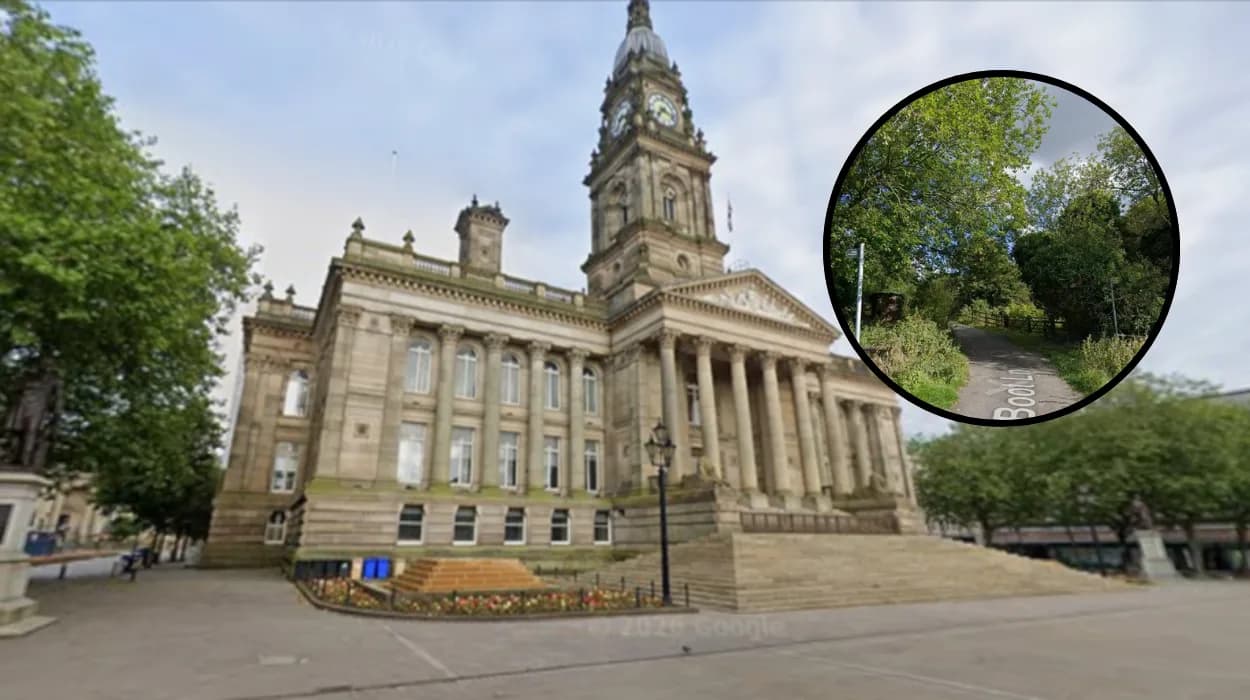
- Location: The subject site is situated on land located to the north of Boot Lane, Smithills, within the Metropolitan Borough of Bolton.
- Proposed Development: The scheme sought planning permission to transform the existing agricultural/equestrian stable building into a single-bedroom residential dwelling.
- Green Belt Impact: Municipal planners concluded that the proposal would cause harm to the openness of the Green Belt, representing an unacceptable degree of encroachment into the surrounding countryside.
- Domestic Intensification: Planning officers highlighted that permanent residential occupancy would introduce harmful domestic paraphernalia, including artificial lighting, parked vehicles, bin storage, and outdoor seating areas.
- Ecological Deficiencies: The planning application was further faulted for lacking sufficient ecological information, notably failing to complete a recommended bat survey to evaluate potential impacts on local protected species.
- Public Resistance: The municipal planning authority received eight formal letters of objection from local residents raising key concerns regarding wildlife disruption, landscape degradation, and Green Belt erosion.
Bolton (Bolton Today) July 29, 2026 — Proposals to transform a former equestrian stable block into a residential home in Bolton have been formally refused by municipal planning officers following strict determinations that the development would cause unjustifiable harm to the protected Green Belt.
As reported by Isobel Forbes of The Bolton News, the planning application sought permission to convert the existing building on land north of Boot Lane, Smithills, into a single one-bedroom home. However, local authority planning officers concluded that the scheme would exert a substantially greater spatial and visual impact on the openness of the Green Belt than the existing stable structure. In their official assessment, officers emphasized that converting the property to a permanent domestic residence would introduce intrusive elements—such as vehicle parking, outdoor seating, lighting, and refuse storage—that would undermine the rural landscape and amount to inappropriate encroachment into the countryside. Furthermore, the application was hampered by inadequate environmental documentation, specifically the failure to undertake a recommended ecological survey to evaluate potential impacts on resident bat populations. The refusal aligns with significant local opposition, following the submission of eight formal letters of objection detailing community anxiety over habitat loss and environmental degradation in the Smithills area.
What Was Proposed for the Boot Lane Stable Site in Smithills?
The planning application submitted to Bolton Council focused on a modest equestrian site located immediately north of Boot Lane, a rural fringe area situated within the electoral ward of Smithills. The applicant sought full planning permission to change the use of the existing stable block, converting its internal layout into a self-contained, one-bedroom residential unit.
According to planning documentation reviewed by reporter Isobel Forbes of The Bolton News, the intent behind the application was to repurpose the established structural footprint of the stables rather than constructing an entirely new building from the ground up. Under current UK planning regulations, the re-use of redundant or existing buildings within the Green Belt can, under specific statutory conditions, be deemed acceptable provided the development preserves the openness of the land and does not conflict with the primary purposes of including land within the Green Belt.
However, despite the physical shell of the building remaining largely intact, municipal planning officers determined that the operational reality of converting an equestrian facility into a residential dwelling would fundamentally alter the character and function of the site. The proposal entailed internal alterations to accommodate living quarters, alongside external adaptations necessary to support daily domestic life.
Why Did Bolton Council Planners Refuse the Conversion Scheme?
In detailing the rationale behind the decision, local authority planning officers issued a detailed refusal notice outlining multiple policy conflicts under both local planning frameworks and national policy directives.
As reported by Isobel Forbes of The Bolton News, official planning reports concluded that the development would inevitably have a markedly greater impact on the openness of the Green Belt when compared to the current stable usage. Openness, in planning law, possesses both spatial and visual dimensions. While a physical building structure may already exist on site, the change of use from equestrian/agricultural to residential generates an intensity of use that is fundamentally different in character.
Officers concluded that the proposed dwelling failed to satisfy the stringent exception tests set out within national planning legislation. The conversion was deemed inappropriate development within the Green Belt, which is, by definition, harmful to the countryside unless very special circumstances can be demonstrated. In this case, officers found that no such circumstances existed to outweigh the identified harm to the Green Belt and the local rural setting.
How Would Residential Use Impact the Openness of the Green Belt?
A primary consideration in the refusal of the Boot Lane application was the cumulative impact of domestic paraphernalia on the surrounding countryside. While equestrian stables are traditionally viewed as appropriate rural structures compatible with open land, residential dwellings bring a unique footprint of human activity and visual clutter.
As reported by Isobel Forbes of The Bolton News, municipal planning officers explicitly stated in their evaluation report that permanent residential occupation would introduce a variety of domestic features that erode rural character. These features include:
- External and Interior Lighting: The introduction of permanent domestic illumination, security lighting, and evening indoor light spill into a dark rural nightscape.
- Vehicular Movements and Parking: The ongoing presence of parked private motor vehicles, delivery vans, and visitor traffic on previously undeveloped ground.
- Refuse and Storage Infrastructure: The requirement for prominent wheelie bins, recycling storage, and waste collection points near the property boundary.
- Curtsilage and Outdoor Amenities: The introduction of residential gardens, outdoor seating, patio furniture, washing lines, and boundary fencing.
Officers noted that these combined domestic additions would visually transform the parcel of land north of Boot Lane from an open, agricultural environment into a suburbanized residential curtilage, resulting in uncharacteristic encroachment into the open countryside.
Why Were Ecological Surveys and Bat Impact Assessments Deemed Inadequate?
Beyond spatial and Green Belt considerations, the planning application suffered from significant ecological deficiencies that prevented council officers from granting approval under statutory environmental duties.
As reported by Isobel Forbes of The Bolton News, municipal planning officers confirmed that insufficient ecological information had been submitted by the applicant to allow for a proper assessment of the potential risks to protected species, particularly native bat species. Older agricultural and stable buildings often provide critical roosting habitats for bats, which are strictly protected under UK wildlife legislation, specifically the Conservation of Habitats and Species Regulations and the Wildlife and Countryside Act 1981.
Planning guidelines strictly require that comprehensive ecological appraisals—and, where indicated, specialized emergence or activity surveys—must be carried out prior to the determination of a planning application. In the case of the Boot Lane stable conversion, a recommended bat survey had not been conducted or provided to the local planning authority. Without this critical data, council officers were legally unable to determine whether the proposed structural alterations or roof modifications would cause unlawful destruction or disturbance to protected roosts.
Explore More Bolton Council News
Bolton Council Debates Nationwide Social Media Ban for Under-16s: Bolton 2026
Bolton Council Unveils £1.2m HMO Licensing Plan for Landlords in Bolton 2026
What Concerns Were Raised by Local Residents in Public Objections?
The planning application generated notable community engagement, drawing formal opposition from residents living in the vicinity of Boot Lane and the broader Smithills locality.
As reported by Isobel Forbes of The Bolton News, the local authority received eight official letters of objection during the public consultation phase of the application process. Neighborhood representations expressed widespread apprehension regarding the incremental loss of local Green Belt land and the erosion of Smithills' countryside character.
Key objections submitted to Bolton Council highlighted three main areas of community anxiety:
- Protection of the Green Belt: Objectors argued that approving residential conversions sets a dangerous precedent for piecemeal housing development across protected green spaces in Bolton.
- Impact on Wildlife and Biodiversity: Residents emphasized the ecological sensitivity of the site, raising concerns over habitat disruption for local bird species, mammals, and protected nocturnal wildlife.
- Preservation of Rural Aesthetics: Concerns were raised that converting traditional stable structures into modern homes undermines the historical agricultural aesthetic and quiet rural ambiance of the Boot Lane corridor.
How Does National Green Belt Policy Affect Conversions of Existing Buildings?
The refusal of the Boot Lane scheme underscores the delicate balance local authorities must strike between reusing existing rural structures and protecting designated Green Belt lands under the National Planning Policy Framework (NPPF).
Under Paragraph 150 of the NPPF, the re-use of buildings in the Green Belt is not considered inappropriate development, provided that:
- The buildings are of permanent and substantial construction;
- The development preserves the openness of the Green Belt; and
- The scheme does not conflict with the five statutory purposes of including land within the Green Belt (such as preventing urban sprawl and safeguarding the countryside from encroachment).
However, as demonstrated in the Bolton Council ruling, physical structure is only one half of the equation. Local planning authorities routinely assess the "intensification of use." Even when a building requires minimal structural alteration, the shift from agricultural or equestrian use to C3 residential use inherently brings a higher level of activity, vehicle traffic, and visual disruption. When the council determines that these operational factors compromise visual openness, the policy presumption shifts firmly toward refusal.
What Are the Potential Next Steps for the Site Applicant?
Following the formal refusal issued by Bolton Council, the applicant behind the Boot Lane proposal faces a limited set of legal options should they wish to pursue residential conversion on the site in the future:
- Appeal to the Planning Inspectorate: The applicant maintains a statutory right to appeal Bolton Council’s decision to the Secretary of State via the Planning Inspectorate within six months of the refusal notice. An independent Planning Inspector would re-examine the merits of the case, evaluating whether officers applied Green Belt policy correctly.
- Resubmission with Revised Documentation: The applicant could elect to address the council's specific reasons for refusal by commissioning a comprehensive Ecological and Bat Survey, modifying the site boundaries, or altering the proposed design to minimize external domestic impact before submitting a fresh planning application.
- Retention of Existing Equestrian Use: Alternatively, the site will remain in its current lawful state as an equestrian stable block, continuing its existing agricultural/equestrian operations in harmony with surrounding Green Belt policy.
For now, the decision by Bolton Council reaffirms the local authority's commitment to protecting the borough's Green Belt countryside from inappropriate residential conversion and encroachment.