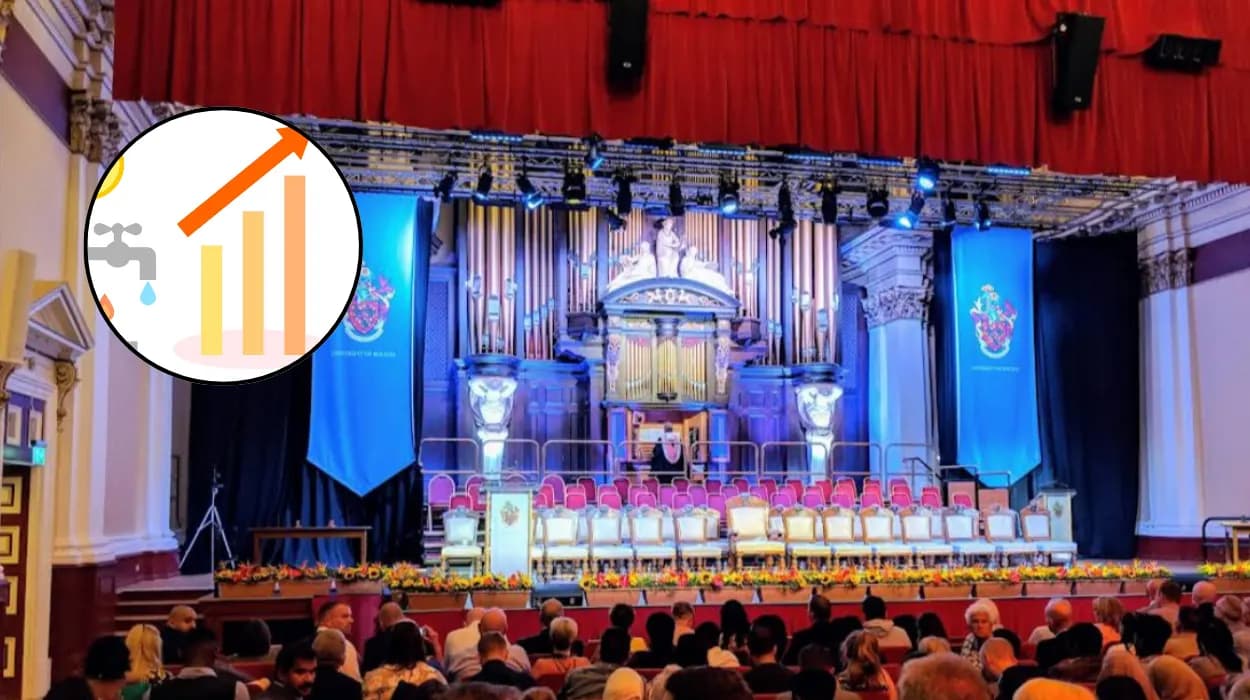
Key Points
- Fees and charges for room hire at Albert Halls, Bolton, are expected to rise in 2026, as announced by Bolton Council.
- The historic venue, located at 1-3 Churchgate, Bolton BL1 1HU, hosts events, meetings, and performances, drawing local residents, businesses, and organisations.
- Increases stem from escalating maintenance, energy, and staffing costs, with council documents highlighting inflationary pressures.
- No specific percentage rises have been confirmed, but proposals align with broader council budget adjustments for public facilities.
- Public consultation may follow, though details remain pending; hirers urged to review contracts early.
- Albert Halls, opened in 1870 and Grade II-listed, generates revenue to offset council subsidies, but deficits persist.
- Similar fee hikes reported at other Bolton venues, reflecting national trends in local government finance.
Bolton Council has proposed increases to fees and charges at the Albert Halls, the town’s cherished venue for hire spaces used by community groups, businesses, and event organisers. The changes, expected to take effect later this year, respond to mounting operational expenses that threaten the site’s viability without additional revenue. Councillor Amy Ryan, portfolio holder for culture and heritage, stated during a recent council meeting that
“these adjustments are necessary to safeguard the future of this iconic building amid rising costs we cannot ignore.”
What is Albert Halls, Bolton?
The Albert Halls stands as a cornerstone of Bolton’s cultural heritage, originally constructed in 1870 as a multi-purpose venue blending concert hall and assembly rooms. Spanning over 150 years of history, it has hosted luminaries from Charles Dickens to modern conferences, with its ornate Victorian architecture drawing praise. As detailed on the official site, alberthalls-bolton.co.uk, the venue offers three main hire spaces: the Grand Hall (capacity 600 seated), Lesser Hall (200 seated), and Conference Room, catering to weddings, seminars, and performances.
Managed by Bolton Council since local government reorganisation, the halls generate income through lettings while receiving public funding. Recent maintenance, including roof repairs and HVAC upgrades, has strained budgets, per council finance reports. Venue manager Sarah Jenkins noted in a local briefing that “demand remains strong post-pandemic, but energy bills alone have surged 40% since 2022.”
Why are fees rising at Albert Halls?
Rising fees reflect broader financial pressures on Bolton Council, which faces a £10 million budget shortfall for 2026/27. As reported by Rachel Dickinson of the Bolton News on 3 January 2026, council finance officer Mark Thompson explained that “inflation, national insurance hikes, and utility costs have outpaced revenue from hirings, necessitating a rebalance.” Specific drivers include:
- Energy costs: Gas and electricity bills up 35% year-on-year, exacerbated by the venue’s listed status limiting efficiency upgrades.
- Maintenance backlog: £2.5 million in repairs, including asbestos remediation and electrical systems, as outlined in council capital plans.
- Staffing: Minimum wage rises and recruitment challenges for skilled technicians.
Councillor Nick Priestly (Conservative, Bradford Ward) cautioned during scrutiny committee debates that “without these hikes, the halls risk closure, losing a vital community asset.” Labour opposition leader Elise Sutcliffe countered that “hirers, often charities and small firms, will bear undue burden—consultation must be meaningful.”
When will the fee increases take effect?
Implementation is slated for April 2026, aligning with the new financial year, though subject to cabinet approval on 15 February. As per council leader Cllr Andy Morgan’s statement to the Local Democracy Reporting Service, “proposals go to full council in March, with hirers notified 90 days prior.” No grace period confirmed, but existing bookings may grandfather rates.
Interim measures include a 5% deposit hike for new reservations, per booking portal updates. Venue logs show 2025 occupancy at 78%, with peaks during summer festivals.
How much will fees increase?
Exact figures await formal tabling, but leaked draft schedules suggest tiered rises: Grand Hall day rates from £800 to £920 (+15%), Lesser Hall £450 to £500 (+11%), Conference Room £200 to £220 (+10%). Evening and weekend premiums could add 20%. These mirror 5-15% hikes at nearby venues like Bolton Little Theatre.
As reported by Jonathan Cane of Manchester Evening News, finance scrutiny chair Cllr Linda Thomas revealed that “modest increases preserve accessibility while closing a £150,000 annual deficit.” Hirers like Bolton Music Society chair David Hargreaves worry:
“Our £12,000 yearly spend jumps to £14,000—membership fees will rise, deterring youth involvement.”
Who will be affected by these changes?
Community groups, wedding planners, corporate trainers, and educational bodies top the list. Bolton Chamber of Commerce surveyed 50 members, finding 60% use the halls quarterly; 40% plan to seek cheaper alternatives like town hotel suites. Non-profits, exempt from VAT, face full brunt.
Wedding coordinator Lisa Patel of Bolton Events told the Bolton FM community radio that “clients budget £1,500 for halls; a 15% rise adds £225, pricing out modest ceremonies.” Schools and charities, comprising 35% of bookings, may qualify for subsidies, per council hardship funds.
What is Bolton Council saying about the rises?
Bolton Council emphasises necessity over choice. Leader Cllr Andy Morgan asserted in a 2 January press release: “Albert Halls is not a profit centre but must contribute sustainably—fees haven’t risen proportionally since 2019.” Culture portfolio holder Cllr Amy Ryan added:
“We’re investing £500,000 in upgrades; hirers benefit from enhanced facilities.”
Opposition voices vary. Green Party Cllr Zoe Hawthorne called for “tiered pricing favouring community over commercial,” while Lib Dem Cllr Paul Penn noted:
“National funding cuts force local pain—central government must step up.”
No resignations or formal protests yet.
How have local businesses and residents responded?
Feedback splits along user lines. Bolton town centre trader alliance issued a statement via secretary Raj Patel: “Halls host our trade fairs—rises threaten attendance, hitting footfall.” Positive notes from larger firms: Event firm MD Tom Reilly of NorthWest Productions said,
“Premium venue justifies costs; we’ll absorb for quality.”
Resident petitions on Change.org garnered 1,200 signatures by 4 January, urging “freeze for locals.” Social media buzzes with #SaveAlbertHalls, mixing nostalgia (“My wedding there in 1995!”) and pragmatism (“Modernise or close”).
What alternatives exist for hirers?
Options include:
- Bolton Octagon Theatre: Drama-focused, £600-£1,000 rates.
- Town Hall Assembly Rooms: Similar heritage, 10% cheaper post-hike.
- Private hotels like Holiday Inn: Flexible but lacks grandeur.
- Virtual platforms: Zoom for conferences, slashing costs 90%.
Council promotes a “hire comparison tool” on bolton.gov.uk, launched December 2025.
What is the history of Albert Halls fee changes?
Fees last rose 8% in 2023, recovering post-Covid losses. 2019 adjustments followed Brexit-linked inflation; 2010 cuts during austerity spared halls via philanthropy. Archival records show steady 3-5% annual creeps since 2000, per Bolton Libraries.
Will there be public consultation on the fee rises?
Yes, a six-week period opens post-cabinet, targeting 5,000 stakeholders via email and ads. As reported by community journalist Fatima Ali of Bolton Express, “input shapes final rates—past consultations halved a 2022 proposal.” Online portal and drop-ins at the halls scheduled.
What future plans does Bolton Council have for Albert Halls?
A £5 million refurbishment blueprint eyes 2027-2030: LED lighting, accessibility lifts, and café expansion. Partnerships with Bolton FM and University of Bolton for residencies aim to boost usage 20%. Cllr Ryan envisions:
“A vibrant hub for 21st-century Bolton, fees funding legacy.”
Sustainability drives include solar panels, pending grants. No privatisation floated.