Key Points
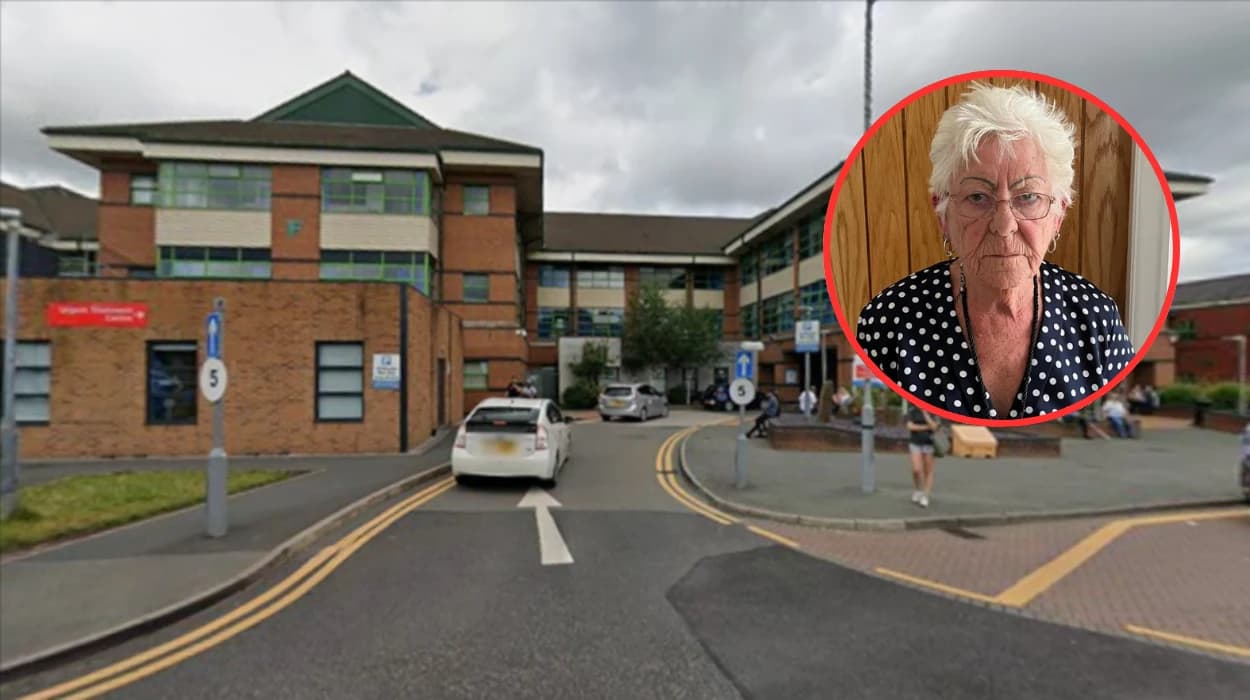
- Repeated Cancellations: Christine Everitt, a 79-year-old resident of Sharples, Bolton, has suffered three separate cancellations for her planned knee replacement surgery at Royal Bolton Hospital after waiting nearly a year for treatment.
- Turned Away at Admission: The most recent cancellation occurred on July 21 when Ms Everitt arrived at the Elective Care Centre at 7:00 am for a 7:30 am admission, only to be informed by staff that her name was not on the operating list due to theatre transfers.
- Pre-Operation Rigour Disrupted: Ms Everitt completed intensive pre-operative preparations—including mandatory medication regimes five days prior to surgery—only to find herself sent home with her packed hospital bag.
- Strike Action and Short-Notice Calls: Her initial surgery set for June 16 was called off due to anticipated medical strikes that were later cancelled, while her second date on June 30 was cancelled less than 24 hours prior despite being asked earlier that day to arrive early.
- No Direct Fault Attributed to Clinical Staff: Ms Everitt explicitly stated that she does not blame her consultant or the hospital secretary for the systemic breakdowns causing these postponements.
- Official NHS Trust Response: Rae Wheatcroft, Chief Operating Officer at Bolton NHS Foundation Trust, issued an apology, citing theatre capacity limitations, extreme summer weather conditions, and short-notice staffing shortages as contributing factors.
Bolton (Bolton Today) July 28, 2026 - A 79-year-old pensioner from Sharples has been left deeply distressed after having her scheduled knee replacement surgery cancelled on three consecutive occasions at Royal Bolton Hospital, with the latest disruption occurring only after she had completed all pre-operative medical preparations and arrived at the facility with her bags packed for admission.
As reported by Joe Regent of The Bolton News, Christine Everitt, who has suffered from debilitating knee issues for approximately 12 months and waited six months for surgery following her official diagnosis, endured her third ordeal on July 21. After arriving at the hospital's Elective Care Centre alongside her partner, Cliff Cartmel, for a scheduled 7:30 am admission, the couple was informed by clinical staff that Ms Everitt was not listed on the day's surgical list. The incident highlights ongoing operational strain and scheduling challenges within the local National Health Service (NHS) infrastructure.
What Happened During Christine Everitt’s Surgery Cancellations at Royal Bolton Hospital?
According to detailed reporting by Joe Regent of The Bolton News, the timeline of cancellations for Ms Everitt spans several weeks of intensive preparation, heightened emotional anxiety, and administrative frustration. Her initial attempt to undergo knee replacement surgery was scheduled for June 16. However, as noted in The Bolton News, hospital administrators cancelled this appointment several days in advance in anticipation of proposed industrial strike action by medical personnel. Although the planned strike action was subsequently called off, the surgical slot was not reinstated, delaying her care further.
A second procedure was then scheduled for June 30. Mr Cartmel explained to reporter Joe Regent of The Bolton News that his partner received a phone call from hospital staff on the morning preceding the surgery, requesting that she arrive early for her procedure. However, in a stark reversal approximately 30 minutes later, a second phone call was made to inform Ms Everitt that her operation was officially cancelled—less than 24 hours before she was set to enter the operating theatre.
The third and most severe disruption took place on July 21. Having undergone rigorous pre-operative procedures—which included strict medication protocols in the five days leading up to the date—Ms Everitt and Mr Cartmel arrived at the Royal Bolton Hospital’s Elective Care Centre at 7:00 am to prepare for a 7:30 am admission. It was only upon checking in at the reception desk that they were informed she had not been scheduled on the theatre list.
As reported by Joe Regent of The Bolton News, Mr Cartmel stated that hospital personnel explained that closures of specific operating theatres had required surgical schedules to be relocated to alternative facilities within the hospital, but Ms Everitt had omitted from being transferred onto the alternative operating list.
How Did the Patient and Her Partner React to the Repeated Delays?
The psychological and physical burden of repeated cancellations has taken a heavy toll on the 79-year-old Sharples resident. Expressing her profound frustration to Joe Regent of The Bolton News, Ms Everitt stated:
“I was devastated, actually, I was so mad this last time. The second time I was in tears, I was absolutely devastated, but this time I am so annoyed, I really am so annoyed.”
Ms Everitt further detailed the arduous nature of preparing for major joint replacement surgery, emphasizing that each cancellation requires restarting clinical protocols from scratch. Speaking to The Bolton News, Ms Everitt explained:
“I have to take it again if I go in another appointment, and you've got to take it, like, five days before. It's taking this medication, and the day before, and all sorts of things. It's so annoying that I did all that and ended up with a case at the hospital, with everything all sorted, and then said cancel it, and they never rang.”
Reflecting on the wider implications for patients across the health service, Ms Everitt remarked to The Bolton News:
“I think everybody feels the same way as me. It's just not acceptable really, is it?”
Despite her profound disappointment, Ms Everitt was careful to clarify that her anger was directed at administrative and systemic failures rather than frontline care providers. As reported by Joe Regent of The Bolton News, Ms Everitt explicitly stressed that she did not hold her personal consultant or the hospital secretary responsible for the breakdown in communication and scheduling.
Mr Cartmel also raised concerns regarding the lack of follow-up communication from hospital management. Speaking to The Bolton News, he disclosed that following the July 21 cancellation, he contacted Royal Bolton Hospital administrators directly to inquire why no prior notification or cancellation warning had been issued. Although hospital personnel assured him that a representative would return his call to provide an explanation, Mr Cartmel confirmed to reporter Joe Regent that no response had been received by the time of their interview.
Explore More Astley Bridge News
Volunteers Save Roadside Flower Troughs: Astley Bridge 2026
Eden Orphanage History and Bolton Legacy 2026
How Has Bolton NHS Foundation Trust Responded to the Operational Failures?
In response to the detailed findings published by Joe Regent of The Bolton News, senior leadership at Bolton NHS Foundation Trust acknowledged the failure and offered a formal apology to the affected patient and her family.
As quoted in The Bolton News, Rae Wheatcroft, Chief Operating Officer at Bolton NHS Foundation Trust, issued an official statement outlining the factors contributing to surgical delays across the organisation:
“We would like to apologise to anyone whose operation has been cancelled or delayed. We understand how disappointing and frustrating this can be for patients and their families, particularly when they have been waiting for treatment.”
Addressing the underlying causes of short-notice surgical postponements, Rae Wheatcroft told The Bolton News:
“While we work hard to minimise disruption, there are occasions when procedures need to be postponed due to factors such as theatre capacity, periods of exceptionally hot weather, or short-notice staffing challenges.”
The Chief Operating Officer further outlined the remedial steps being undertaken by the Trust to address systemic delays and reduce waiting lists for elective procedures. As reported by Joe Regent of The Bolton News, Rae Wheatcroft stated:
“Reducing waiting times and avoiding cancellations remain key priorities for the Trust. We are continuing to increase theatre capacity, expand the number of same-day surgeries to help free up hospital beds, and provide personalised support to ensure patients are fully prepared for their procedure and able to undergo surgery as planned wherever possible.”
Why Are Pre-Operative Preparations Crucial for Orthopaedic Surgery?
Orthopaedic procedures such as total knee arthroplasty (knee replacement) require meticulous patient preparation to minimise surgical risks, infection rates, and post-operative complications. Patients undergoing such operations are typically required to adhere to strict pharmaceutical guidelines, including pausing certain blood-thinning medications, taking preventative antibiotics or antiseptics, and following specific fasting protocols prior to general anaesthesia.
When an operation is postponed at the last moment—particularly after a patient has arrived at the ward—these medical preparations must be repeated in full. For elderly patients like Ms Everitt, repeating these pharmacological and physical routines multiple times creates considerable physical strain, heightened mental stress, and disrupted routine health management.
How Do Theatre Closures and Staffing Constraints Affect Local NHS Hospitals?
Surgical postponements on the morning of admission are frequently linked to acute capacity bottlenecks within acute hospital trusts. Factors such as unforeseen emergency surgical demands, maintenance issues in operating theatres, environmental temperature spikes affecting clinical equipment, and unexpected staff illness can severely impact planned elective lists.
When surgical capacity is reduced, trusts are forced to prioritize urgent and emergency cases over non-life-threatening elective surgeries, such as joint replacements. However, administrative failures—such as failing to inform patients before they travel to the hospital or failing to update master operating lists during theatre transfers—compound patient trauma and highlight systemic communication gaps within hospital administration.
What Are the Next Steps for Patients Facing Multiple Operation Postponements?
For patients experiencing repeated postponements within the NHS system, health advocates and patient rights groups recommend several formal avenues of escalation:
- Patient Advice and Liaison Service (PALS): Patients can contact the hospital’s internal PALS department to request urgent administrative intervention, clarify list positioning, and resolve communication breakdowns between surgical teams and admissions units.
- Formal Complaints Procedure: Individuals may submit a formal written complaint to the Chief Executive or Chief Operating Officer of the relevant NHS Trust, requiring a structured investigation and written response regarding administrative errors.
- Independent Parliamentary and Health Service Ombudsman: If internal trust complaint procedures fail to yield satisfactory answers or lead to rescheduled treatment within clinically acceptable timeframes, patients have the right to refer their case to the Health Ombudsman for independent review.
Bolton NHS Foundation Trust has reiterated its commitment to expanding elective capacity and improving patient support systems to prevent recurring cancellation incidents like the one experienced by Ms Everitt in Sharples.