Key Points
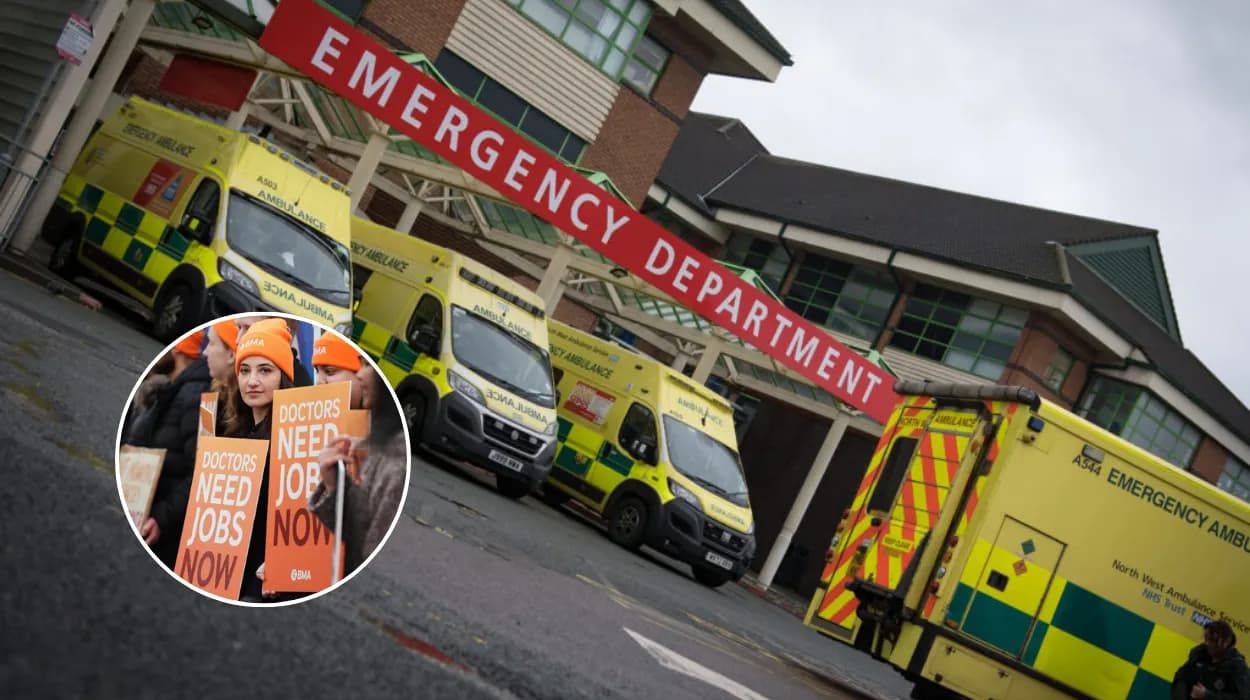
- Resident doctors at Royal Bolton Hospital have begun a five-day strike action starting today, 17 December 2025.
- Hospital chiefs have confirmed that “robust plans” are in place to minimise disruption to patient care.
- The strike is part of a wider industrial action by junior doctors across England, focusing on pay and working conditions.
- Royal Bolton Hospital has urged patients to attend scheduled appointments unless contacted otherwise.
- The hospital has assured that emergency and urgent care services will remain available during the strike period.
- The British Medical Association (BMA) has stated that the strike is a last resort after failed negotiations with NHS England.
Why Are Doctors Striking?
According to a statement by Dr. Alan Grant, chair of the Royal Bolton Hospital Junior Doctors Committee,
“This strike is not taken lightly. We are deeply concerned about the increasing workload, pay stagnation, and the effect on patient safety.”
The strike action is coordinated by the British Medical Association (BMA), which has said that negotiations with NHS England have repeatedly stalled and that the current proposals do not address the core concerns of junior doctors.
How Is the Hospital Responding?
Royal Bolton Hospital has assured the public that emergency and urgent care services will continue as normal throughout the strike period. In a press release, hospital chief executive Dr. Helen Carter stated,
“We have put in place robust plans to ensure that patient safety remains our top priority. Patients should attend their scheduled appointments unless they are contacted directly by the hospital to reschedule.”
The hospital has also activated contingency staffing arrangements, including redeployment of non-striking staff and support from agency workers.
What Are Patients Being Advised?
As reported by Sarah Johnson of BBC News, patients are being advised to attend their appointments as planned unless contacted by the hospital to reschedule. The hospital has set up a dedicated helpline and webpage for updates and guidance during the strike.
“We understand that this situation is worrying for patients, but we are doing everything we can to minimise disruption,” said Dr. Carter.
What Is the National Context?
The strike at Royal Bolton Hospital is part of a broader industrial action by junior doctors across England. The BMA has stated that the strike is a response to what it describes as
“unacceptable pay offers and deteriorating working conditions.”
In a statement, Dr. Grant said,
“We have tried every avenue to negotiate fairly with NHS England, but they have consistently failed to address our concerns.”
The strike is expected to affect hundreds of hospitals nationwide, with similar contingency plans being implemented.
What Are the Potential Impacts?
Healthcare experts have warned that prolonged strike action could lead to delays in routine care and increased pressure on emergency services. Dr. Emily Foster, a consultant at Manchester Royal Infirmary, told The Guardian,
“While emergency care will remain available, non-urgent procedures and outpatient appointments may be delayed. This could have knock-on effects for patient outcomes in the longer term.”
However, hospital officials have reiterated that patient safety remains paramount and that contingency plans are designed to mitigate risks.
What Is the Government’s Response?
The Department of Health and Social Care has issued a statement expressing regret over the strike action and reiterating its commitment to resolving the dispute.
“We urge the BMA to return to the negotiating table and work with us to find a solution that is fair for both junior doctors and the NHS,”
said a spokesperson. NHS England has also confirmed that it is continuing discussions with the BMA in an effort to reach an agreement.
What Happens Next?
The strike action is scheduled to last five days, with further industrial action possible if negotiations remain deadlocked. Hospital officials have advised patients to monitor official communications for updates and to contact the hospital directly with any concerns. The BMA has said that further strike dates will be announced if a resolution is not reached.
How Is the Public Reacting?
Local residents have expressed mixed reactions to the strike. Some have voiced support for the doctors’ demands, citing concerns about NHS staffing and patient care. Others have expressed frustration over potential delays in treatment. Community leader Amina Khan told The Bolton News,
“We understand the doctors’ concerns, but we also worry about how this will affect our families and friends who rely on the hospital for care.”
What Is the Historical Context?
This is not the first time junior doctors have taken industrial action over pay and working conditions. Previous strikes in 2016 and 2023 led to similar disruptions and prompted national debate over NHS funding and staffing. The current strike is seen as part of an ongoing struggle to address systemic issues within the health service.
What Are the Legal and Ethical Considerations?
The BMA has stressed that all strike action is conducted in accordance with legal requirements and that patient safety remains the top priority. Hospital officials have confirmed that contingency plans are designed to comply with all regulatory standards and that emergency care will not be compromised.
In summary, the five-day strike by resident doctors at Royal Bolton Hospital is a significant development in the ongoing dispute over pay and working conditions in the NHS. Hospital officials have put in place robust plans to minimise disruption, while the BMA has reiterated its commitment to patient safety. The situation remains fluid, with further industrial action possible if negotiations continue to stall.