Key Points
- A Bolton primary school has begun hosting worshippers from St Paul’s Church after the church building closed due to structural concerns and related issues.
- The arrangement allows the congregation to continue holding regular services while decisions are made about the future of the historic church site.
- School leaders and church representatives have coordinated service times and safeguarding procedures to ensure the building can be used safely and respectfully.
- Parents, pupils and residents have expressed a mixture of relief that worship can continue locally and sadness at the closure of the long‑standing church building.
- Local church authorities are assessing the scale and cost of any necessary repair works, with no final decision yet on restoration, partial redevelopment or alternative provision.
- Community figures have highlighted the partnership as an example of how local institutions can work together to preserve social and spiritual life during a period of disruption.
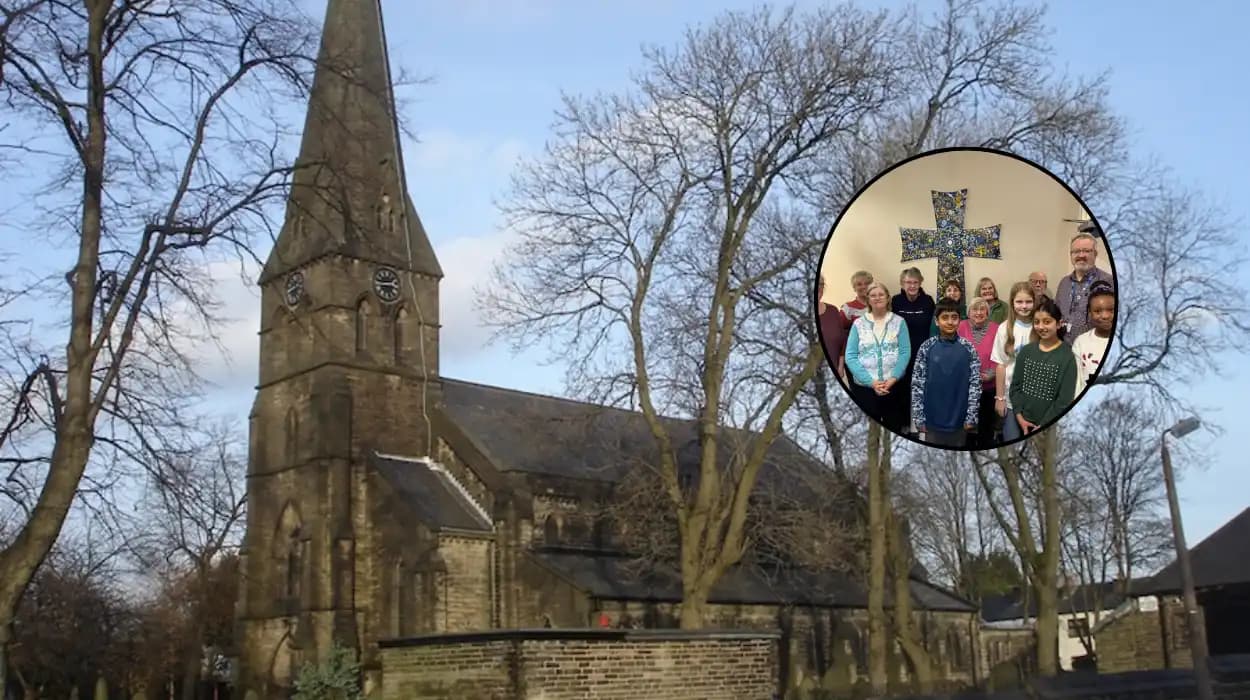
A Bolton primary school has opened its doors to congregants from St Paul’s Church after the closure of their historic building, providing a temporary home for worship while structural concerns are investigated and the future of the church is decided. The move means regular services and community activities linked to St Paul’s can continue in the local area rather than being suspended or moved out of the neighbourhood altogether. The decision followed discussions between school leaders, church representatives and diocesan officials on how best to protect the congregation’s safety while maintaining continuity of worship.
Why has St Paul’s Church closed?
St Paul’s Church, described locally as a long‑standing landmark, has been shut to the public following the discovery of structural issues that raised questions about the safety of continued use. In many similar cases, church authorities commission surveys that examine roofing, stonework, internal supports and any evidence of movement or water damage before they decide on repair priorities. In situations where engineers or surveyors cannot guarantee safety, buildings are routinely closed while the risk is fully assessed and costed.
The closure has practical and emotional implications for worshippers who may have attended services, weddings, funerals and community events there for decades. For many congregations, a church is not only a place of worship but also a key venue for social contact and local identity, so relocating even temporarily can feel like a significant loss. Local church bodies typically balance these concerns with legal duties relating to health and safety and insurance, which leave little room for continued use once serious structural doubts have been raised.
How did the arrangement with the primary school come about?
The use of the primary school as a worship space emerged from conversations about how to keep the congregation together and functioning within the parish boundaries. School premises are often considered where they offer suitable hall space, accessible entrances and the flexibility to host weekend or evening gatherings without disrupting teaching. In such arrangements, senior leaders generally seek formal approval from governors and local education authorities to ensure that community use fits with existing policies.
Practical considerations usually include cleaning schedules, security, safeguarding protocols, and clear agreements on timings so that school activities and worship do not clash. When churches and schools share Christian foundations or have long‑standing links, it can be easier to establish common expectations about how the space will be used, including storage of liturgical items, signage and arrangements for sound and seating. The current partnership reflects that pattern of local institutions stepping in to support one another when one site is temporarily unavailable.
What does the temporary worship set‑up look like?
In most cases of church relocation into a school, Sunday services are held in a main hall or large multi‑purpose room, often with chairs arranged to mirror, as far as possible, the layout of a nave. Portable communion tables, lecterns and visual symbols can be set up before each service and packed away afterwards to return the room to its usual educational use. Basic audio equipment is sometimes used to ensure that readings, prayers and music can be heard across the space without altering the building fabric.
If St Paul’s runs youth or children’s groups alongside services, these are likely to be housed in classrooms or smaller breakout spaces, under safeguarding arrangements that mirror usual Sunday‑school practice but within the school’s existing child‑protection framework. Toilets, access routes and fire exits would all be set out in advance with signage or stewards so that worshippers unfamiliar with the school layout can move safely and comfortably around the site.
How are the school community and parents responding?
For school staff and families, allowing worship on site can bring both opportunities and questions. Some parents may welcome the visible partnership between a local school and church, seeing it as a sign that community ties remain strong and that facilities are being used creatively to meet local needs. Others may raise practical concerns about parking, additional weekend traffic, cleaning, or any impact on security, prompting the school to provide clear communication about how the arrangement will work in practice.
Headteachers and governors typically address these issues through letters, meetings or online updates that set out the times when churchgoers will be present, the supervision in place, and any measures taken to separate worship activity from sensitive areas such as classrooms containing pupils’ work or personal items. When handled transparently, such arrangements can strengthen trust by demonstrating that community use is planned carefully and that safeguarding remains a priority.
What does this mean for St Paul’s congregation?
For the congregation of St Paul’s, the move preserves regular worship patterns and reduces the risk that members drift away during a period of uncertainty. Maintaining a familiar time slot for Sunday services and mid‑week meetings, even in a different building, can help keep choirs, volunteer rotas and outreach activities functioning. In many parishes, temporary relocation has been used to maintain pastoral support, food banks, toddler groups or older‑people’s gatherings that might otherwise be disrupted.
There is, however, often a sense of loss associated with leaving a church building, particularly where it has historic features, memorials or stained glass that connect families with previous generations. Some congregants may worry about whether they will ever return to worship in that space or whether financial realities will ultimately lead to closure or redevelopment. Church leaders usually recognise this emotional dimension and may incorporate prayers, information sessions and pastoral conversations into their response.
What are the next steps for the church building?
The immediate focus when a church closes on safety grounds is usually to complete detailed structural surveys and obtain expert opinions on the urgency and scale of any required works. Engineers may identify repairs ranging from roof stabilisation and masonry reinforcement to drainage improvements or internal alterations to meet modern standards. The results then feed into cost estimates, which diocesan bodies and local parishes must weigh against available funds, grants and potential fundraising.
In England, decisions about the future of a church building also intersect with heritage considerations, particularly if the site is listed or sits within a conservation area. Church authorities must often consult with heritage bodies, local councils and wider community stakeholders before choosing between full restoration, partial repair, re‑ordering, or alternative uses for all or part of the site. At this stage in situations like St Paul’s, no final decision is typically taken until the full technical and financial picture is clear.
How common are church–school partnerships like this?
Across the country, various congregations have made use of school halls, community centres and other civic buildings when their own churches have needed repair, renovation or rebuilding. These partnerships can last for a few months or several years, depending on the complexity of the works and the funding available. In some areas, joint‑use agreements have later evolved into more permanent community‑hub models where space is shared between education, worship and social services on a longer‑term basis.
For schools, hosting a congregation can deepen relationships with families who already have children on roll and with older residents who might not otherwise have contact with the school community. For churches, the experience can shape future thinking about how best to serve local people, particularly if the temporary venue proves more accessible for those with mobility issues or provides better parking and public transport links. Both sides, however, tend to stress that any arrangement must remain practical and sustainable alongside their core responsibilities.
What legal and safeguarding issues are involved?
When a school building is used by an external group, clear legal agreements are normally put in place to cover insurance, liability, and responsibilities for maintenance and damage. These can take the form of licences or hire agreements that define precisely when the other organisation can access the building and what activities are permitted. For a church, this might include provisions about religious services, small group meetings, storage of equipment and use of kitchen facilities for refreshments.
Safeguarding sits at the centre of such arrangements, particularly where children and young people are involved. Both the school and the church will generally follow established safer‑recruitment practices, DBS checks and supervision ratios, aligning their procedures so there is no ambiguity about who is responsible for which aspects of child protection at any given time. Emergency procedures, including fire drills and evacuation plans, will also be agreed so that worshippers and volunteers are aware of exits, assembly points and contact details for key personnel.
What does this signal about community resilience in Bolton?
The decision by a primary school to host St Paul’s worshippers illustrates a broader pattern of community resilience, in which local institutions adapt to ensure that key aspects of social life continue under pressure. By opening its doors, the school helps to preserve a focal point for faith, support and social contact that might otherwise be lost or fragmented. This can be particularly important in areas where church buildings also underpin food banks, youth work or support for isolated residents.
At the same time, the situation underlines the challenges facing many historic religious buildings, where maintenance and repair costs are rising while congregations and donations may be under strain. How the future of St Paul’s is resolved will depend on technical assessments and financial realities, but the interim solution at the school shows that there is willingness locally to collaborate and find interim solutions rather than allow worship and community activity simply to cease.