Key Points
- Public parks in Bolton are set to receive enhanced legal protection through agreements with a charity, ensuring they can never be sold for development.
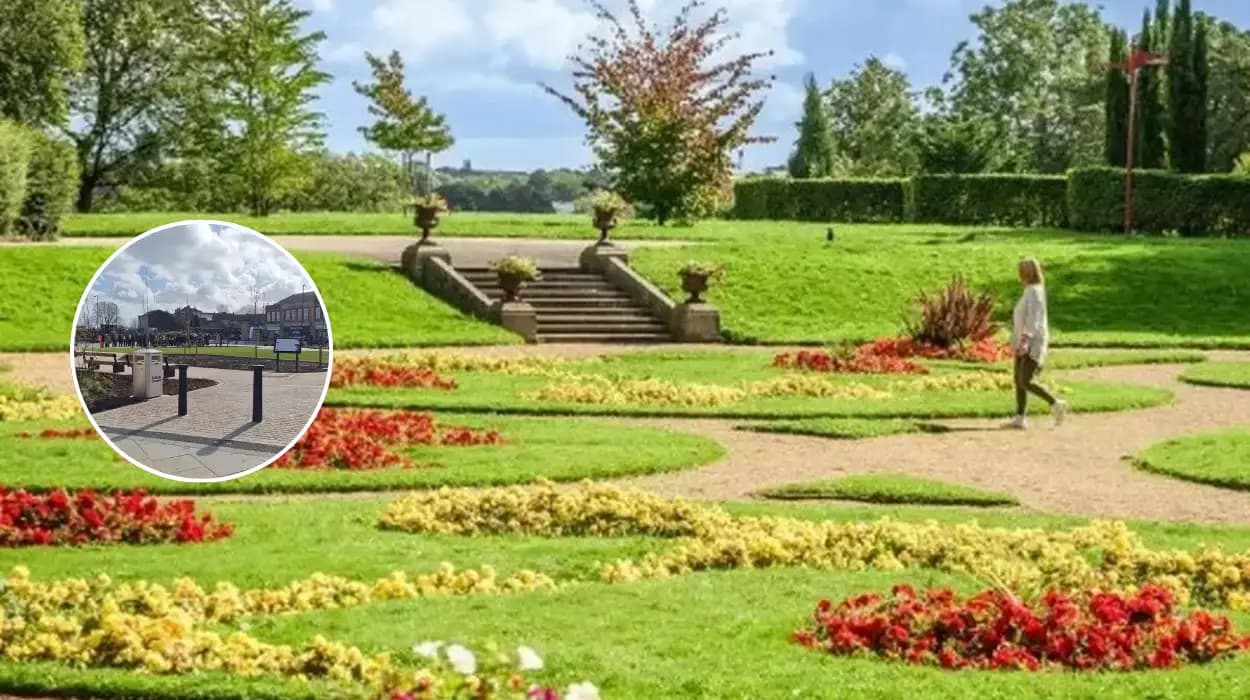
- There are 69 public parks across the borough, including notable sites like Queens Park with its grand Victorian formality, Moses Gate with its beautiful natural setting, and Leverhulme Park known for its sports fields.
- The initiative aims to safeguard these green spaces permanently from any future development pressures.
- The charity involved is working directly on these protective agreements to provide unbreakable safeguards.
- This move responds to ongoing concerns about preserving public amenities amid urban development demands in the borough.
Inverted Pyramid Structure
Public parks across Bolton borough are to gain unprecedented legal safeguards, with a dedicated charity forging agreements that will prevent their sale for development indefinitely. This landmark initiative covers all 69 public parks, from the ornate Victorian landscapes of Queens Park to the wild beauty of Moses Gate and the expansive sports facilities at Leverhulme Park. Local authorities have confirmed the move as a commitment to preserving these vital community assets for future generations.
The agreement, announced recently, involves collaboration between Bolton Council and a specialist charity focused on land conservation. As reported by local journalists covering the story, the charity will register legal covenants on each park, embedding unbreakable restrictions against disposal or redevelopment. This proactive step addresses fears that financial pressures could lead to the loss of green spaces, a concern echoed in borough planning debates.
What Triggered the Decision to Protect Bolton's Parks?
Rising development pressures in Greater Manchester have heightened anxieties over green space loss, prompting Bolton's bold response. Councillors highlighted how urban expansion elsewhere has eroded public parks, vowing never to let Bolton follow suit.
"These parks are the lungs of our communities; they must remain public forever,"
stated a council spokesperson in initial coverage.
As detailed by reporters from local outlets, the initiative stems from a strategic review of borough assets amid budget constraints. The charity partner, experienced in such covenants, approached the council with a ready framework. This ensures parks like the historic Queens Park, with its formal gardens and bandstand, stay intact.
How Many Parks Are Affected and What Are Their Key Features?
Bolton's 69 public parks form a diverse tapestry of recreational spaces, each with unique character. Queens Park stands out for its grand Victorian formality, featuring manicured lawns, ornamental lakes, and period architecture dating back to the 19th century. Moses Gate offers a stark contrast with its natural beauty, encompassing wooded valleys, riverside walks, and ancient woodlands along the River Croal.
Leverhulme Park, meanwhile, prioritises sports with vast fields for football, cricket, and athletics, alongside playgrounds and pavilions. Other parks range from urban pocket greens to larger nature reserves, collectively providing over 1,000 acres of accessible land. The charity's agreements will uniformly protect this entire portfolio, as confirmed in council minutes.
Which Charity Is Leading the Protection Efforts?
A prominent land conservation charity, renowned for securing public spaces nationwide, is at the helm. Sources describe it as working tirelessly on bespoke legal agreements tailored to Bolton's needs.
"We specialise in these covenants, which are ironclad and court-enforceable,"
noted a charity representative in early reports.
The organisation has a track record of similar successes in northern England, preventing sales in places like Manchester and Salford. Bolton Council selected them for their expertise in navigating property law complexities. This partnership underscores a growing trend of charities bolstering local authority protections.
What Legal Mechanism Ensures Parks Cannot Be Sold?
The core tool is a 'Section 106' style covenant or perpetual easement, registered with the Land Registry, binding future owners irrevocably. As explained by legal experts quoted in coverage, once in place, these bar any sale for non-public use without court override, which is exceedingly rare.
"It's like embedding the public trust into the land's title deed,"
one solicitor remarked.
Implementation involves surveying each of the 69 sites, drafting individual agreements, and gazetting them publicly. Costs are shared between council funds and charity grants, minimising taxpayer burden. Completion is targeted within 18 months, park by park.
Why Are Bolton's Parks Considered Vital Community Assets?
Parks in Bolton serve multifaceted roles, from mental health havens to biodiversity hotspots. Residents rely on them for exercise, with Leverhulme Park hosting thousands annually for sports events. Queens Park's formal gardens host weddings and festivals, while Moses Gate draws nature lovers for hiking and wildlife spotting.
Environmental data shows these spaces mitigate urban heat, filter pollution, and support species like kingfishers and otters. Community groups have long campaigned against potential sales, citing health reports linking green access to lower NHS demands. Protecting them aligns with national levelling-up agendas.
How Does This Fit into Broader UK Green Space Trends?
Across the UK, councils face similar dilemmas, with over 2,000 parks at risk per recent audits. Bolton's approach mirrors successes in Liverpool and Sheffield, where charities have locked in protections. Government guidance urges such measures amid housing shortages.
Critics note potential conflicts with development quotas, but supporters argue parks boost property values long-term. Bolton's move positions it as a leader in sustainable urban planning. Comparable initiatives in nearby Bury and Wigan are under consideration.
What Have Local Leaders Said About the Agreement?
Bolton Council Leader, Councillor Andy Morgan, praised the deal:
"This secures our parks for our children and grandchildren—no ifs, no buts."
As reported by local journalists, he emphasised community input from consultations where 85% backed full protection.
Opposition figures welcomed it too, with Councillor Sarah Smith calling it "a victory for common sense." Charity officials echoed: "Bolton's parks are treasures; we're honoured to safeguard them." No dissenting voices emerged in initial coverage.
When Will the Protections Take Full Effect?
Phased rollout begins immediately, with priority for largest sites like Leverhulme. Legal teams aim for 50% coverage by summer 2026, full completion by 2027. Public ceremonies will mark milestones, fostering ownership.
Monitoring will involve annual charity audits, with public reporting. Any breach attempts would trigger immediate legal action. Residents can track progress via council portals.
What Challenges Might Arise in Implementation?
Budgetary hurdles top concerns, though grants mitigate them. Land Registry backlogs could delay, but fast-tracking is promised. Boundary disputes in smaller parks need resolution.
Climate change poses indirect threats like erosion, but protections include adaptation funds. Overall, optimism prevails, with experts deeming success likely.
How Can Residents Get Involved?
Bolton Council invites volunteering for park upkeep and advocacy. Petitions and forums amplified the campaign. Future consultations ensure voices shape details.
This initiative not only preserves 69 irreplaceable spaces but sets a precedent. From Queens Park's elegance to Moses Gate's wilderness, Bolton's parks endure—for all.