Key Points
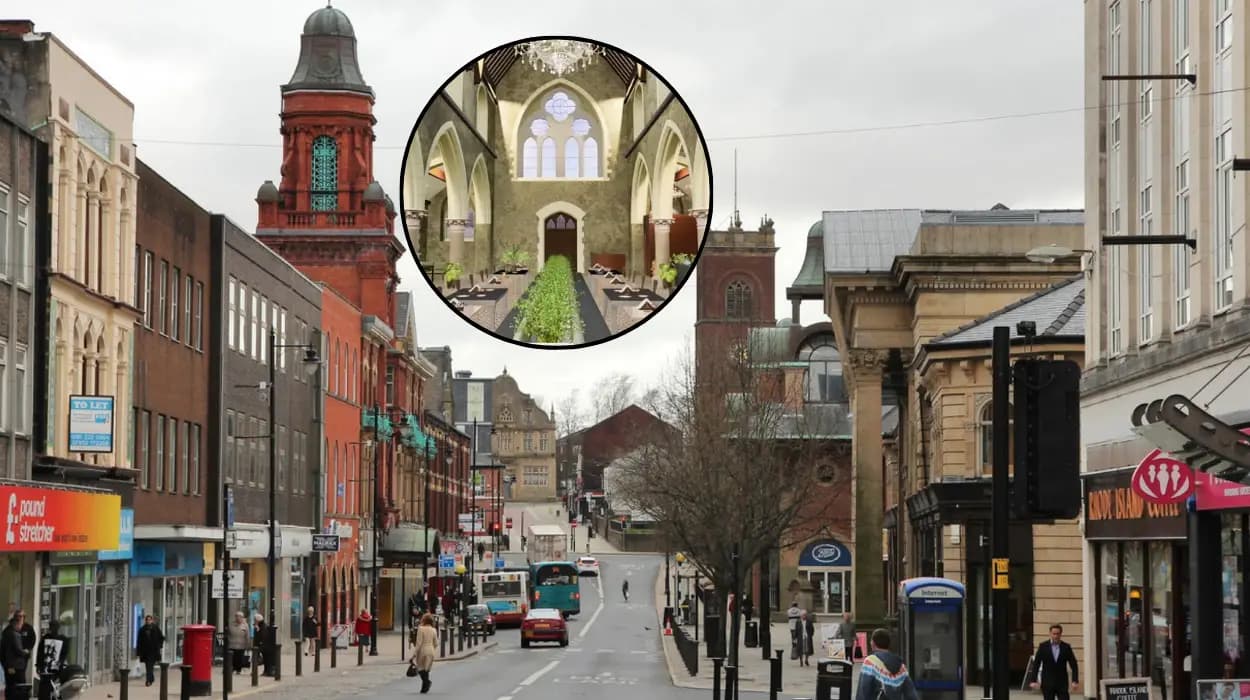
- A Grade II listed abandoned church in Bolton, Greater Manchester, is under proposals for conversion into a restaurant.
- The Church Wharf area, including the vacant church site, is part of a £100 million regeneration scheme approved by Bolton Council.
- Developer Watson is leading the mixed-use development which includes new homes, a hotel, restaurants, shops, and leisure spaces.
- The project is expected to create over 1,500 jobs and inject £64 million gross value into Bolton’s economy.
- The Church Wharf site has been long dormant and is a key priority in Bolton’s town centre regeneration masterplan.
- Bolton Council is also considering renovation plans for Number 1 Newport Street, another historic Grade II listed building, to become a restaurant or café.
- Plans involve keeping the architectural heritage while repurposing the buildings for hospitality and commercial use.
- Community and economic benefits, such as job creation and boosting local retail confidence, are highlighted.
- Construction for Church Wharf is expected to begin in 2025 and continue phased completion through to 2029.
The long-abandoned Grade II listed church in Bolton’s Church Wharf area is on the brink of a new lease of life as developers propose to transform it into a stylish restaurant, standing at the heart of a major regeneration initiative designed to breathe new economic and social vitality into Greater Manchester’s historic town centre.
What are the plans for the abandoned church in Bolton?
As reported by Rob Watson, Director at the development firm Watson, the ambitious regeneration project at Church Wharf will feature a mixed-use scheme that includes 415 new homes, a 130-bedroom hotel, and vibrant commercial spaces designed to support restaurants, shops, and leisure operators. Watson said,
"We’re incredibly proud to be moving forward with Church Wharf, a project that represents a major opportunity for the community of Bolton. This development is about creating a new neighbourhood with character and purpose, where people want to live, work, and spend time."
He added that the project aims to deliver lasting positive change beyond bricks and mortar.
Bolton Council Leader, Cllr Nick Peel, also spoke about the significance of the development, saying,
“This is a significant step forward in bringing the work to regenerate Church Wharf to the next stage. Church Wharf is a key development site at a strategic gateway to the town centre… This will also boost market confidence for investment in Bradshawgate, a part of town with enormous potential for regeneration”.
The church conversion to restaurant fits into this broader vision of regeneration.
Why is Church Wharf a focus for Bolton’s regeneration?
The Church Wharf site, a dormant riverside location near Bolton Parish Church, has been identified as a key priority in Bolton’s masterplan to revive its town centre. The £100 million investment is supported by the Greater Manchester Combined Authority’s Brownfield Housing Fund, contributing £5 million specifically for this area. The development is forecast to support the creation of 1,500 local jobs and inject £64 million in gross value into the local economy.
According to the council’s vision, the project will create a new community of over 1,000 residents who will live, work, and shop locally, thus revitalizing activity and footfall in the town centre.
How will heritage be preserved in the redevelopment?
The abandoned church building itself is Grade II listed, implying protections due to its historical and architectural significance. The redevelopment proposals emphasise retaining key architectural features, including potentially integrating original church elements into the new restaurant design. This approach echoes similar recently approved projects such as the former United Reformed Church in Doncaster, where conversion plans preserved historic pews and the building’s character.
Bolton Council is also exploring restoration of other historic buildings for hospitality use, such as Number 1 Newport Street, which dates to the 1820s and was formerly an exchange library and museum. Renovation plans include work on roofs, windows, and interior while ensuring the site can serve as a public hospitality venue.
What economic and social benefits are expected?
The Church Wharf regeneration is anticipated to bring expansive benefits, including over 1,500 jobs in construction and long-term hospitality, retail, and residential sectors. The development expects to generate more than £7 million annually in local spending from new residents and visitors, which will bolster the overall economy of Bolton.
Cllr Peel pointed out that while retail offers are consolidating around areas like Moor Lane and Deansgate Gardens, integrating quality residential and leisure spaces will further diversify Bolton’s town centre appeal.
When will the project commence and what is the timeline?
Construction on the Church Wharf site is scheduled to commence in 2025, with phased completions extending through to 2029. This timeline aligns with broader redevelopment plans in Bolton that involve several residential and commercial projects aimed at shifting towards a vibrant town-centre living culture accompanied by improved infrastructure and public spaces.
Are there other examples of similar church conversions?
Although the Bolton church conversion is part of a larger regeneration scheme, similar ecclesiastical buildings in the region have been adaptively reused with council approvals. For instance, a Grade II listed former church in Doncaster received permission to convert into a restaurant and wine bar with sensitive architectural preservation, celebrating the heritage while providing new commercial use.
What is the local community response?
While full public consultations on Bolton’s Church Wharf plans continue, community stakeholders and economic analysts anticipate that the revival of such landmark buildings for hospitality and leisure can enhance the cultural fabric of the town. Historic preservation bodies have welcomed proposals that blend heritage conservation with economic regeneration.