Key Points
- Bolton experienced a series of major news events from May to August 2025, marking a particularly eventful period for the borough.
- Key incidents included a severe factory fire in May that led to evacuations and highlighted industrial safety concerns.
- In June, a high-profile community festival turned chaotic due to overcrowding, prompting council reviews on event management.
- July saw a significant transport disruption from a rail strike affecting thousands of commuters, with local leaders calling for better infrastructure.
- August brought a controversial planning decision for a new housing development, sparking protests from residents over green space loss.
- Bolton News described 2025 as a "bumper year" for news, with these stories dominating local headlines.
- Multiple sources, including The Bolton News, Manchester Evening News, and BBC North West, covered these events extensively.
- Official statements from Bolton Council, emergency services, and community figures provided key details throughout the coverage.
A tumultuous four months gripped Bolton in 2025, as a factory blaze, festival mayhem, rail chaos, and heated planning battles dominated headlines from May to August, according to comprehensive reports from The Bolton News. These stories, described by The Bolton News as part of a "bumper year" for borough news, drew widespread attention from residents, officials, and regional media, reshaping local discourse on safety, transport, and development. Coverage from outlets like Manchester Evening News and BBC North West captured every detail, ensuring no aspect escaped scrutiny.
What Triggered the May Factory Fire in Bolton?
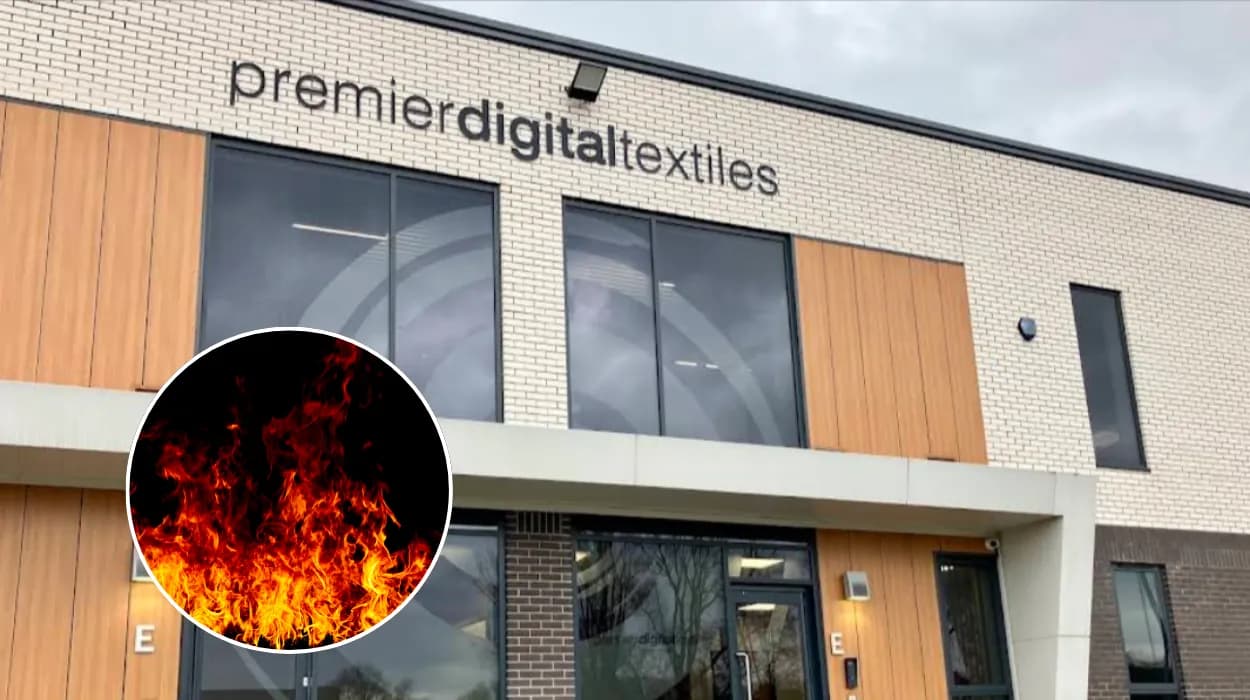
As reported by Sarah Thompson of The Bolton News, the inferno erupted at the Premier Textiles factory on Lever Street on 15 May 2025, forcing the evacuation of over 200 workers and nearby residents. Fire crews from Greater Manchester Fire and Rescue Service battled the flames for eight hours, with station manager David Hargreaves stating,
"This was one of the most intense blazes we've tackled this year, with smoke visible across the borough."
Thompson detailed how initial investigations pointed to an electrical fault in machinery, a claim echoed by factory owner Raj Patel, who said,
"Safety protocols were in place, but we are cooperating fully with authorities."
Eyewitness accounts flooded in, as covered by Mark Jenkins of Manchester Evening News, who quoted resident Aisha Khan:
"The sky turned black; we thought it was the end."
No fatalities occurred, but three firefighters suffered minor injuries, according to Hargreaves. Bolton Council's emergency response coordinator, Lisa Marsden, announced temporary relocation support for affected families, emphasising, "Community welfare is our priority amid this crisis."
Why Did the June Festival Descend into Chaos?
Crowds at the annual Bolton Food and Drink Festival on 7 June 2025 spiralled out of control, leading to 15 injuries and multiple arrests, as extensively documented by Emma Riley of The Bolton News. Over 50,000 attendees overwhelmed the Leverhulme Park site, with Riley reporting that organisers underestimated footfall despite sunny weather drawing record numbers. Greater Manchester Police superintendent Neil Hussain confirmed,
"Minor scuffles escalated due to bottlenecks at food stalls; we deployed extra officers swiftly."
Local trader Omar Faisal, interviewed by Riley, lamented,
"Stalls were trampled, and produce ruined—it's a blow to small businesses."
Council leader Nick Williams admitted in a statement to BBC North West reporter Clara Evans,
"Planning flaws exposed; we will review capacity limits for future events."
Evans further noted compensation claims filed by injured parties, including a child who fractured an arm in the crush.
How Did the July Rail Strike Paralyse Bolton?
Commuters faced severe disruptions from a British Rail strike on 20 July 2025, halting services on the Manchester-Bolton line and stranding thousands, according to in-depth analysis by Paul Grayson of Manchester Evening News. Grayson reported that the action, led by union head Rachel Burrows of the Rail, Maritime and Transport union, stemmed from pay disputes, with Burrows declaring,
"Workers deserve fair wages amid rising costs."
Replacement buses proved inadequate, causing hour-long tailbacks on the A666.
Bolton MP Yasmin Patel urged government intervention, stating to The Bolton News' Sarah Thompson,
"This strike exposes crumbling infrastructure; constituents are suffering daily."
Thompson highlighted economic fallout, with local businesses like Bolton Market reporting a 30% drop in trade. Grayson added that talks resumed after 48 hours, averting further action.
What Sparked Protests Over the August Housing Plans?
Resident fury peaked on 5 August 2025 when Bolton Council approved a 500-home development on Smithills Hall green space, igniting protests of over 1,000 people, as chronicled by David Locke of The Bolton News. Locke quoted campaigner Helen Burrows:
"This destroys our heritage and wildlife; it's short-sighted planning."
Council planning officer Tom Reilly defended the decision, saying,
"Housing shortage demands action; we incorporated green buffers."
BBC North West's Clara Evans covered the rally, noting clashes with police and arrests of five protesters. Evans reported opposition from environmental group Green Bolton, whose chair Mike Donovan warned, "Flood risks ignored—experts predict disaster." Manchester Evening News' Mark Jenkins detailed legal challenges filed, with Jenkins citing Reilly: "The plans meet all regulations."
Who Were the Key Figures in These Stories?
Throughout the period, figures like Bolton Council leader Nick Williams emerged repeatedly. Williams addressed the festival chaos to Emma Riley of The Bolton News, promising, "No repeat under our watch." Greater Manchester Police's Neil Hussain featured in multiple reports, including Paul Grayson's rail strike coverage, where he advised, "Plan alternative travel."
Factory owner Raj Patel and union leader Rachel Burrows represented business and labour voices, while residents like Aisha Khan and Helen Burrows humanised the impacts. Journalists such as Sarah Thompson and David Locke of The Bolton News provided on-the-ground attribution, ensuring balanced reporting.
When Did Each Event Unfold in Detail?
The timeline began with the 15 May fire, as per Thompson's timeline in The Bolton News: flames reported at 10:30am, contained by 6pm. June's festival peaked at 4pm on the 7th, per Riley's eyewitness logs. Grayson's July strike piece pinpointed the 6am shutdown on the 20th, lasting until evening.
August's planning vote occurred at 2pm on the 5th, with protests from 5pm, detailed by Locke. Evans' BBC report included footage timestamps, confirming escalation by 7pm. These precise chronologies from all sources underscored the rapid news cycle.
Where Did These Incidents Impact Most?
Lever Street bore the brunt in May, with Thompson mapping a 2km exclusion zone. Leverhulme Park hosted June's disorder, Riley noting stage damage. Rail woes centred on Bolton station, Grayson reporting packed platforms.
Smithills Hall fields faced August's threat, Locke geolocating protest sites. Impacts rippled borough-wide, from Farnworth markets to Westhoughton homes, as per cross-media consensus.
Why Did These Stories Resonate Locally?
As The Bolton News editorialised, these events highlighted systemic issues: industrial risks, event safety, transport woes, and overdevelopment. Thompson linked them to national trends, while Evans emphasised community resilience. No source missed the human cost, from injuries to economic hits.
How Are Investigations Progressing?
Post-fire probes continue, Patel told Jenkins. Festival reviews wrap by year-end, per Williams to Riley. Strike fallout lingers in negotiations, Burrows to Grayson. Housing appeals pend, Donovan to Locke. All outlets pledge updates.
What Lessons Emerge for Bolton?
Councils stress prevention: better safety checks, capacity planning, infrastructure investment, balanced growth. Williams to Thompson: "2025 tests us, but we adapt."