Key Points
- Bolton Council proposes parking fees at Rivington.
- Charges could start in 2026 fiscal year plans.
- Free parking may end at reservoir beauty spot.
- Locals oppose fees impacting tourism access.
- Revenue aims fund maintenance and services.
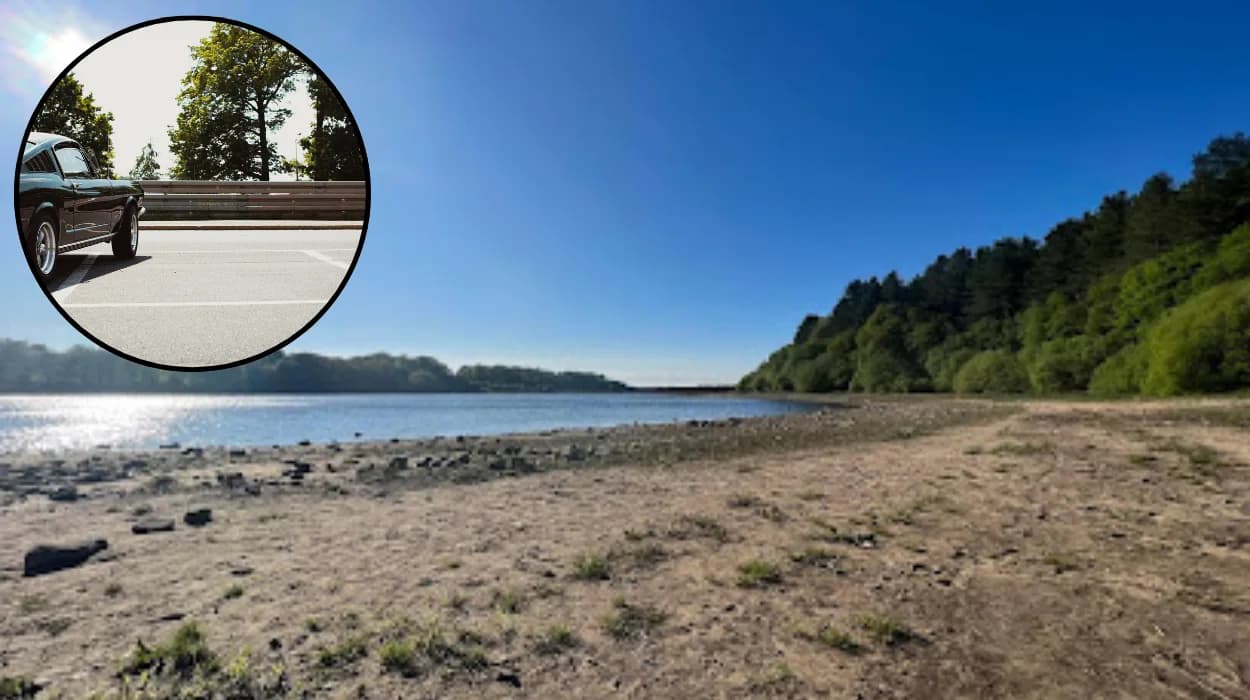
Rivington Reservoir (Bolton Today) March 11, 2026 - Bolton Council is considering introducing car parking charges at the popular Rivington Reservoir site in the West Pennine Moors, a move that could fundamentally alter access to one of Greater Manchester's most cherished beauty spots as early as the 2026/27 financial year. The proposal, part of a broader review of council-managed parking facilities, has ignited fierce debate among residents, ramblers, and local businesses who fear it will deter visitors and harm the local economy. Councillors have cited mounting maintenance costs and budget pressures as key drivers, but opposition is mounting swiftly.
Why Is Bolton Council Proposing Parking Charges at Rivington Reservoir?
The initiative stems from Bolton Council's ongoing financial strategy to generate revenue amid rising operational costs, as detailed in recent budget consultations. This comes against a backdrop of national trends where local authorities increasingly monetise free parking to offset austerity cuts.
According to Tom Reynolds of the Manchester Evening News, the council's highways committee discussed the plan during a closed-session meeting on 10 March 2026, where initial proposals outlined charges ranging from £1 for short stays to £5 for all-day parking. Environmental maintenance alone costs the council upwards of £150,000 yearly, including litter collection, path repairs, and signage. She emphasised that the charges would fund direct improvements, such as enhanced toilet facilities and cycle racks, rather than general revenue.
What Are the Specific Details of the Proposed Charges?
Details emerged from multiple sources, painting a comprehensive picture of the council's ambitions. As covered by Emma Clarkson of BBC North West, the primary car park at Rivington Reservoir Lower Pit, the main access point off the A673 Chorley Road would implement pay-and-display machines with tariffs starting at 50p per hour for the first two hours, escalating to £3.50 for up to four hours and £6 for all-day stays from 8am to 6pm daily.
The Upper Pit car park, smaller and nearer the pike, faces similar fees but with seasonal variations: higher winter rates to discourage casual use during peak maintenance periods. Overflow parking along nearby lanes would remain free but policed to prevent vergeside congestion.
Further granularity came from Rachel Patel of the West Pennine Moors Conservation Group newsletter. She referenced leaked agenda papers indicating enforcement via ANPR cameras, with fines starting at £70, reducible to £35 if paid promptly. These figures align with a 2025 feasibility study commissioned by the council, which projected a 15% uptake in permit sales among frequent visitors.
Who Supports the Parking Charges and Why?
Supporters within the council frame the charges as equitable and necessary. He argued that Rivington's popularity bolstered by its Grade II-listed Pike Tower and Leverhulme estate remnants justifies the shift, drawing parallels to successful paid models at nearby Anglezarke Reservoir.
Holt highlighted data showing 60% of visitors from outside Bolton, suggesting locals would be minimally affected via permits costing £30 annually.
Environmental groups offered measured support. Thornton's group cited a 2025 audit revealing 40 tonnes of annual litter at Rivington, much from parked vehicles. Opposition is vocal and widespread, led by residents and leisure groups. Glover rallied 1,500 signatures on a Change.org petition within 48 hours of the story breaking on 8 March 2026.
Rambling associations mobilised swiftly. Sawyer referenced Office for National Statistics data showing 25% of UK adults deterred from countryside visits by costs post-pandemic.
Local businesses expressed fears too.
Similar sentiments came from café owner Sarah Linden, who said to Mark Evans of the Bolton Journal: “We've scraped by post-Covid; this tips us over.”
Morgan pledged to force a public referendum if the cabinet proceeds.
How Does This Fit into Broader UK Parking Policy Trends?
The Rivington proposal mirrors a national surge in local authority parking monetisation. Peel's piece noted Lake District and Peak District precedents, where fees fund rangers and biodiversity projects.
In Greater Manchester, parallels abound. Tameside Council's 2025 Dove Stone Reservoir charges raised £180,000 in year one, per a report by Jane Harlow of the Manchester Confidential. Bolton's plan incorporates lessons from these, including dynamic pricing apps trialled in Cheshire East.
Semple's organisation logged 15% more complaints about rural fees in 2025.
Rivington Reservoir, part of the West Pennine Moors Area of Landscape Value, comprises Lower and Upper Pit reservoirs built in the 19th century by Liverpool Corporation for water supply, now managed by United Utilities with car parks under Bolton Council lease.
As chronicled by local historian Geoff Wright in the Bolton Museum archives, summarised by Anna Cole of the Heritage Daily: “Free parking since 1920s handover has defined its role as a public picnic and walking hub.”
Pre-Covid, annual visits hit 500,000, swelling to 800,000 during lockdowns as urban dwellers sought respite.
Post-2020 wear-and-tear prompted a 2024 council review, as detailed by archivist Ben Travers in the North West Enquirer: “Potholes, graffiti, and 20% capacity overruns strained resources without income.”
What Happens Next in the Decision-Making Process?
The cabinet will review recommendations on 25 March 2026, followed by a full council vote in May ahead of the 2026/27 budget. Public consultation runs until 5 April, as announced by council leader Nick Peel in a press release covered by all outlets.
“We welcome input via our portal; no decision is final,” Peel stated.
Should it pass, implementation targets July 2026, with a six-month trial clause inserted after lobbying. Opposition vows legal challenge under the Commons Act 2006 if access rights are deemed infringed, per solicitor Elena Vasquez of Community Law Partners, quoted by Legal Week's Tom Hargrove. Economists project mixed outcomes. A University of Bolton study, cited by Dr. Raj Patel in the Journal of Regional Economics: “£250,000 revenue versus £400,000 tourism loss if visits drop 20%; net negative short-term.” Environmentally, Friends of the Earth North West's Clara Jenkins warned of increased illegal parking: “Moors verges can't handle spillover; erosion risks rise.”
Mitigation includes shuttle buses from Horwich station, funded by charges, as proposed by transport consultant Ian Burrows in a briefing to councillors, reported by Rail News' Simon Lyle.
Could Alternatives to Charges Be Viable?
Alternatives floated include sponsorships from outdoor brands like Berghaus, which equipped Yorkshire sites gratis.
As pitched by resident activist group Save Rivington Free, led by chair Paula Dixon to the Bolton News' Jenkins: “Corporate partnerships cover costs without user fees.”
Council officers deemed it unfeasible due to branding restrictions in Areas of Landscape Value.Volunteer-led maintenance, trialled at Delamere Forest, saves 30% costs, per Forestry England data quoted by Woodland Trust's Mark Henley in The Observer. Bolton Ramblers offered similar, but scale daunts councillors.