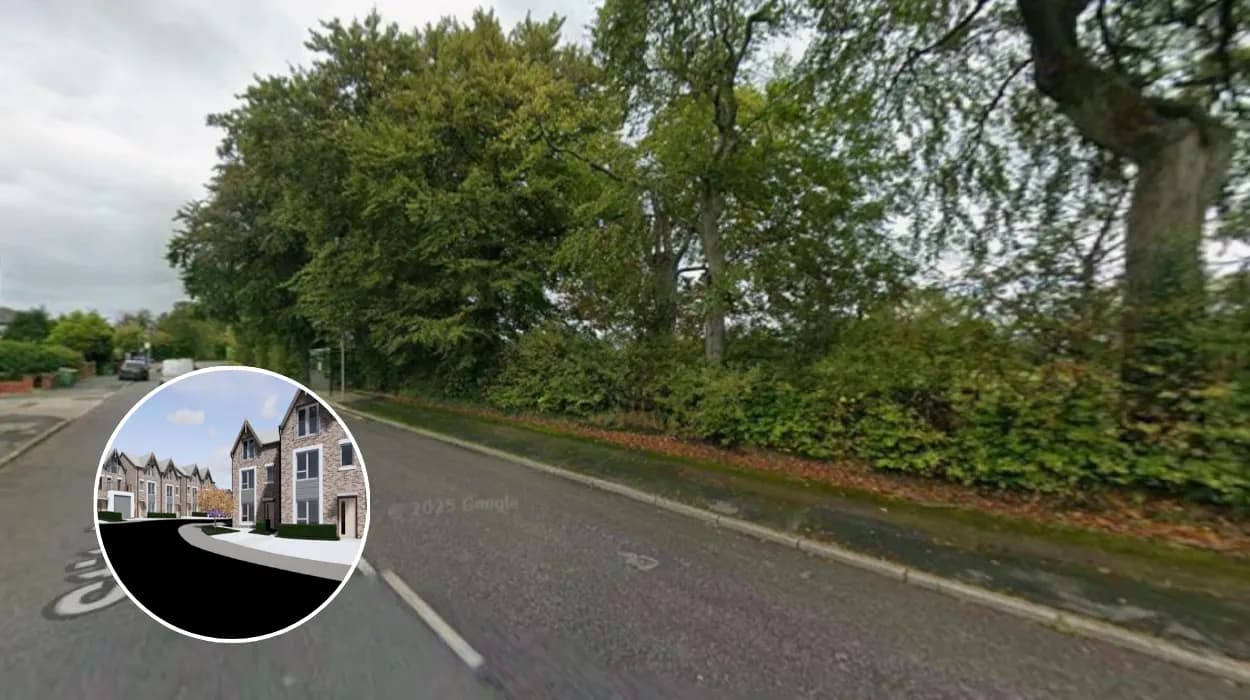
Key Points:
- Bolton Council narrowly approved the controversial plan to build nine homes off Stitch-mi-lane.
- The site is argued to be “grey belt,” an area typically protected from development.
- The decision followed a divided debate among council members.
- The new homes plan faced opposition based on concerns over land use and environmental impact.
- Supporters argue the development is necessary to address housing needs.
What was the outcome of the Bolton Council debate on the Stitch-mi-lane housing plan?
Bolton Council has narrowly approved a controversial planning application to build nine new homes off Stitch-mi-lane. The decision came after a sharply divided debate among council members regarding the suitability of the site for residential development. The debate highlighted tensions between local housing demands and the protection of land designated as “grey belt,” which is usually an area reserved against development to preserve green space or for potential future urban use.
Why is the site off Stitch-mi-lane described as 'grey belt' and why is this significant?
The site in question is classified as “grey belt,” a category of land that lies between urban limits and rural green belt areas. As reported by local journalists covering the council meeting, this classification generally means the land is protected from development to prevent urban sprawl and to maintain space for agriculture, recreation, or natural habitats. Opponents of the housing plan argued that approving development on grey belt land could set a precedent for further erosion of protected areas, potentially harming the environment and altering the character of the local community.
Who were the main voices for and against the housing development?
Supporters, including some council members and planning officials, emphasised the urgent need to increase the availability of homes in Bolton to meet growing demand. They argued that the development of nine homes, though limited in scale, is a step towards addressing housing shortages and supporting community growth. As one councillor was quoted,
“We must balance environmental concerns with the pressing needs of our residents for affordable and accessible housing.”
On the other hand, critics warned about the loss of valuable land and the impact on local ecosystems, urging the council to seek alternative sites that do not encroach on the grey belt.
What were the key points in the divided council debate?
During the meeting, as reported by several local media outlets, the debate centred on balancing economic development with environmental stewardship. Proponents said that the site was carefully chosen to minimise environmental harm and that measures would be in place to mitigate any negative effects. Meanwhile, opposition councillors nearly succeeded in blocking the plan, citing insufficient justification for building on land meant to remain undeveloped. The narrow margin in the vote underscores the complexity and sensitivity of local planning decisions where housing needs clash with conservation priorities.
What will be the next steps following the council's approval?
With the plan now approved, the development application will move forward to the implementation phase. This includes further detailed planning, construction works, and ongoing monitoring to ensure compliance with planning conditions aimed at reducing environmental impact. Local residents and community groups remain vigilant, as future developments on similar grey belt land could come under increased scrutiny. The council has pledged to review land use policies periodically to balance growth and green space preservation effectively.